If you’ve been keeping an eye on the housing market, you may have noticed some exciting news: mortgage rates dropped last week, offering a fresh wave of opportunities for those in Hawaii’s unique real estate landscape. With refinancing activity heating up and the potential for increased buyer interest, let’s dive into what this means for the Aloha State.
A Welcome Dip in Mortgage Rates
According to recent industry reports, the average rate for a 30-year fixed-rate mortgage fell to 6.63% for the week ending March 6, 2025—down from 6.76% the previous week, marking the lowest level this year so far. This decline, though modest, is part of a broader trend of rates easing over the past several weeks, providing a glimmer of relief after a rollercoaster ride in 2024. For Hawaii, where mortgage rates tend to hover close to the national average, this drop translates to real savings for borrowers.
What’s driving this shift? Economic signals, including a slightly weaker-than-expected jobs report released in early March, have nudged rates downward as investors seek the safety of bonds—a move that often lowers mortgage rates. While we’re not back to the ultra-low rates of a few years ago, this dip is enough to catch the attention of homeowners and buyers alike.

Refinancing Surges: Seizing the Moment
The drop in rates didn’t go unnoticed. Nationally, refinance applications spiked by 16% week-over-week for the week ending March 6, according to the Mortgage Bankers Association (MBA). Even more striking, refinance volume was 90% higher than the same week a year ago. Here in Hawaii, where homeownership costs rank among the highest in the nation, this uptick in refinancing could be a game-changer for recent buyers.
However, refinancing isn’t a slam dunk for everyone. With closing costs averaging 2-5% of the loan amount, it’s worth crunching the numbers to ensure the savings outweigh the fees. For Hawaii homeowners sitting on pandemic-era rates below 4%, the incentive to refinance remains low—but for newer buyers, this could be the moment to act.
Hawaii Real Estate: A Market in Motion
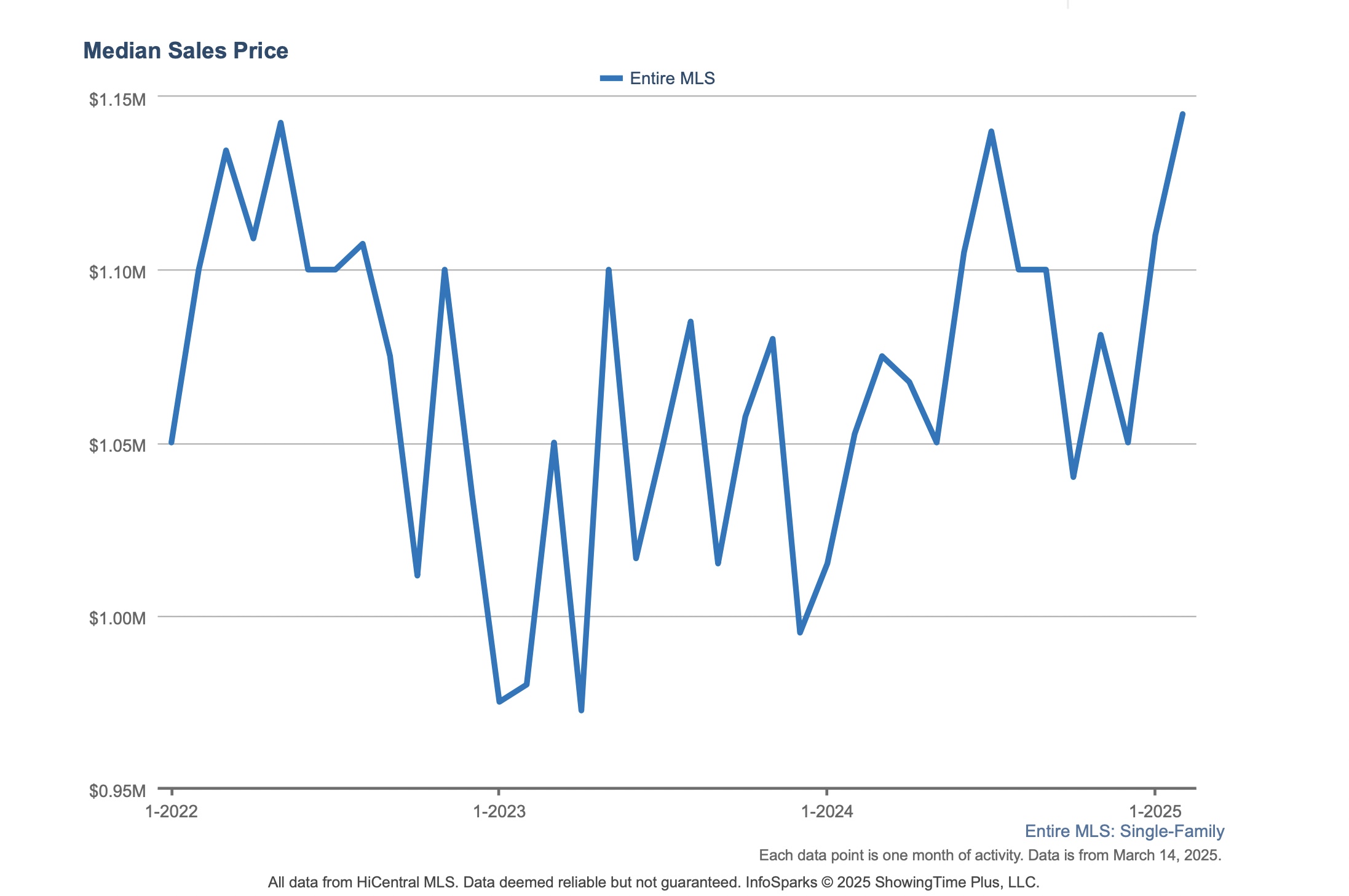
So, what does this mean for Hawaii’s real estate market? As of February 2025, Oahu’s housing scene is notoriously competitive, with median single-family home prices hovering around $1.2M. On the Big Island, where prices are more approachable at $555,000, this rate drop could entice more first-time buyers to jump in.
The MBA also reported a 7% increase in purchase loan applications last week, a sign that buyers are starting to re-enter the market as we head into the spring buying season. In Hawaii, where inventory remains tight, this could heat up competition, especially in desirable areas like Honolulu and Maui.
Sellers, take note: lower rates might also coax more homeowners to list their properties. Many have been “locked in” by ultra-low rates from years past, reluctant to trade a 3% mortgage for something higher. But as rates ease, that hesitation could fade, potentially bringing more homes onto the market—a welcome shift in a state where supply shortages have long driven prices skyward.
The Bigger Picture for Hawaii
Hawaii’s real estate market has always danced to its own tune. High demand from both local and international buyers, coupled with limited land and a thriving tourism industry, keeps prices robust even when rates fluctuate. While a housing crash seems unlikely—home values have risen 8.3% year-over-year, per recent estimates—these lower rates could stabilize affordability just enough to keep the market humming.
For buyers, now might be the time to get pre-approved and start shopping before competition intensifies. For homeowners considering a refinance, it’s worth a call to your lender to see if the numbers pencil out. And for sellers? A well-priced home in top condition could attract eager buyers riding this wave of lower rates.
What’s Next?
Experts predict mortgage rates will hover between 6.5% and 7% through 2025, with some hoping for a gradual decline if inflation continues to cool. In Hawaii, where every percentage point matters against sky-high home prices, even small drops can ripple through the market. Keep an eye on economic data—like the Federal Reserve’s next moves—and local trends to stay ahead of the curve.
Ready to make your move in the next 12 months? Whether you’re refinancing, buying, or selling in Hawaii, give us a call and let’s chat!