July 13, 2026

Yes, the City Will Really Lend You Up to $40,000 for Your Down Payment — Interest Free

After 24 years of helping families buy homes on Oahu, I can tell you the single biggest hurdle for local buyers isn't the monthly payment — it's the down payment. Saving cash while paying Honolulu rent is brutal, and I've watched plenty of well-qualified families put their homeownership dreams on hold for years because of it.

Here's what most people don't know: the City and County of Honolulu will lend qualified buyers up to $40,000 toward a down payment — with zero interest and zero loan fees. It's called the Down Payment Loan Program, and it's run by the City's Department of Community Services (DCS) using federal HOME funds.

This isn't a gimmick. It's a real program, and buyers use it. Let me break down how it works.

How the Program Works

The Down Payment Loan Program provides a second mortgage of up to $40,000 behind your primary home loan. The terms are hard to beat:

  • 0% interest — you repay only what you borrow
  • No loan fees and no application cost
  • 20-year amortization — on the full $40,000, that works out to roughly $167 per month
  • Annual occupancy credits that can effectively forgive a substantial portion of the loan over time (more on this below)

Compare that to borrowing the same $40,000 at today's mortgage rates and you're looking at tens of thousands of dollars in interest saved over the life of the loan.

The Occupancy Credit: Where It Gets Even Better

Here's the part I find most compelling. For each full year you live in the home as your owner-occupant, you earn an occupancy credit equal to 5% of the original loan amount — $2,000 per year on a $40,000 loan. Make your payments and stay in the home for 10 full years, and you receive a matching $20,000 credit. In practical terms, half the loan can be forgiven simply for doing what you were going to do anyway: live in your home.

Who Qualifies?

This program is designed for local working families, so there are eligibility requirements:

  • Income: Your household must earn at or below 80% of the area median income (AMI). As of early 2026, that's approximately $80,600 for a two-person household, $90,650 for three, and $100,700 for a family of four, scaling up with household size. (These limits adjust periodically — always confirm the current figures with DCS.)
  • Your own skin in the game: You must contribute at least 5% of the purchase price from your own funds as a down payment.
  • Owner-occupancy: The home must be your primary residence on Oahu — this isn't for investment property.
  • Homebuyer education: You'll need to complete an approved homeownership course.
  • Home inspection: A professional inspection is required as part of the purchase.

One important note: funds are limited and loans are awarded first-come, first-served. When the fiscal year's allocation runs out, it runs out. If you think you might qualify, the time to start the conversation is before you fall in love with a property, not after.

What This Looks Like in Real Life

Say you're a two-income household earning $95,000 with three people in your ohana, and you've saved $30,000. On your own, that budget keeps you locked out of a lot of the market. Add the City's $40,000 on top of your 5% contribution, and suddenly a $550,000–$600,000 condo or townhome moves from "someday" to "let's write an offer." That's the difference this program makes.

How to Get Started

The process starts with a phone call, not a mountain of paperwork:

  1. Call the DCS Loan Branch at (808) 768-7762 for an initial eligibility review with a City loan officer. There's no cost to inquire.
  2. Get pre-approved with a first mortgage lender who has experience layering city down payment assistance with a primary loan — this matters more than most buyers realize.
  3. Work with an agent who knows the program. Timing, inspections, and lender coordination all have to line up for these deals to close smoothly.

My Take

I've said it for years: homeownership is still the most reliable path to building wealth for local families, and every year you wait on Oahu tends to cost you. If your household income falls under the limits above and you've managed to save 5%, this program is essentially the City handing you an interest-free boost — with half of it potentially forgiven for staying put.

If you're wondering whether you'd qualify, or how this could fit into your home search, reach out. I'm happy to walk you through the numbers, connect you with lenders who work with the program, and help you figure out what's realistic in today's market.

Tony Kawaguchi (Aloha Tony)
The Kawaguchi Group | eXp Realty
(808) 351-9795 | tony@alohatony.com
RB-21841 / RS-66616

Program details, income limits, and funding availability are subject to change. Verify current terms directly with the City and County of Honolulu Department of Community Services before making purchase decisions.

June 5, 2026

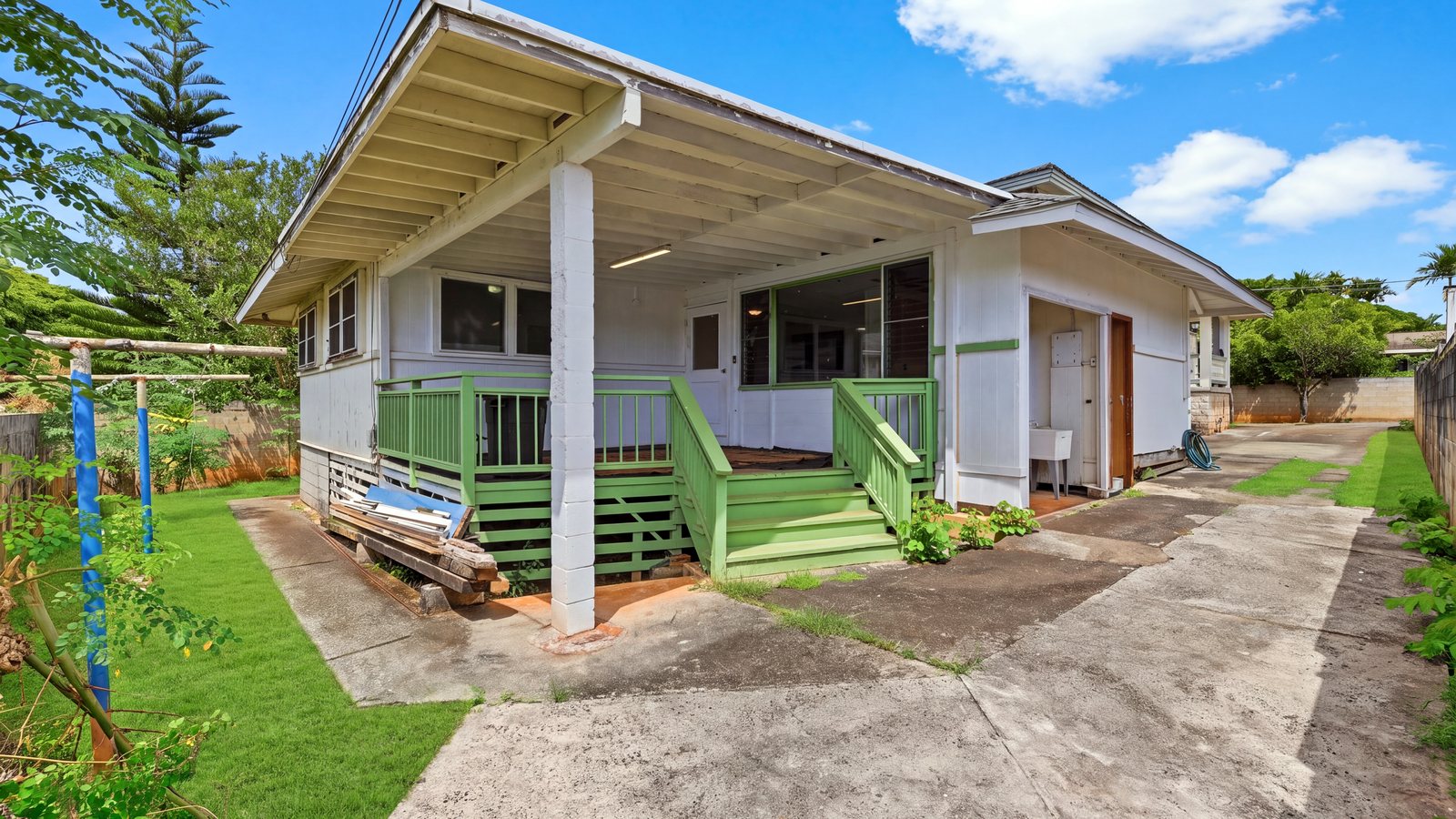
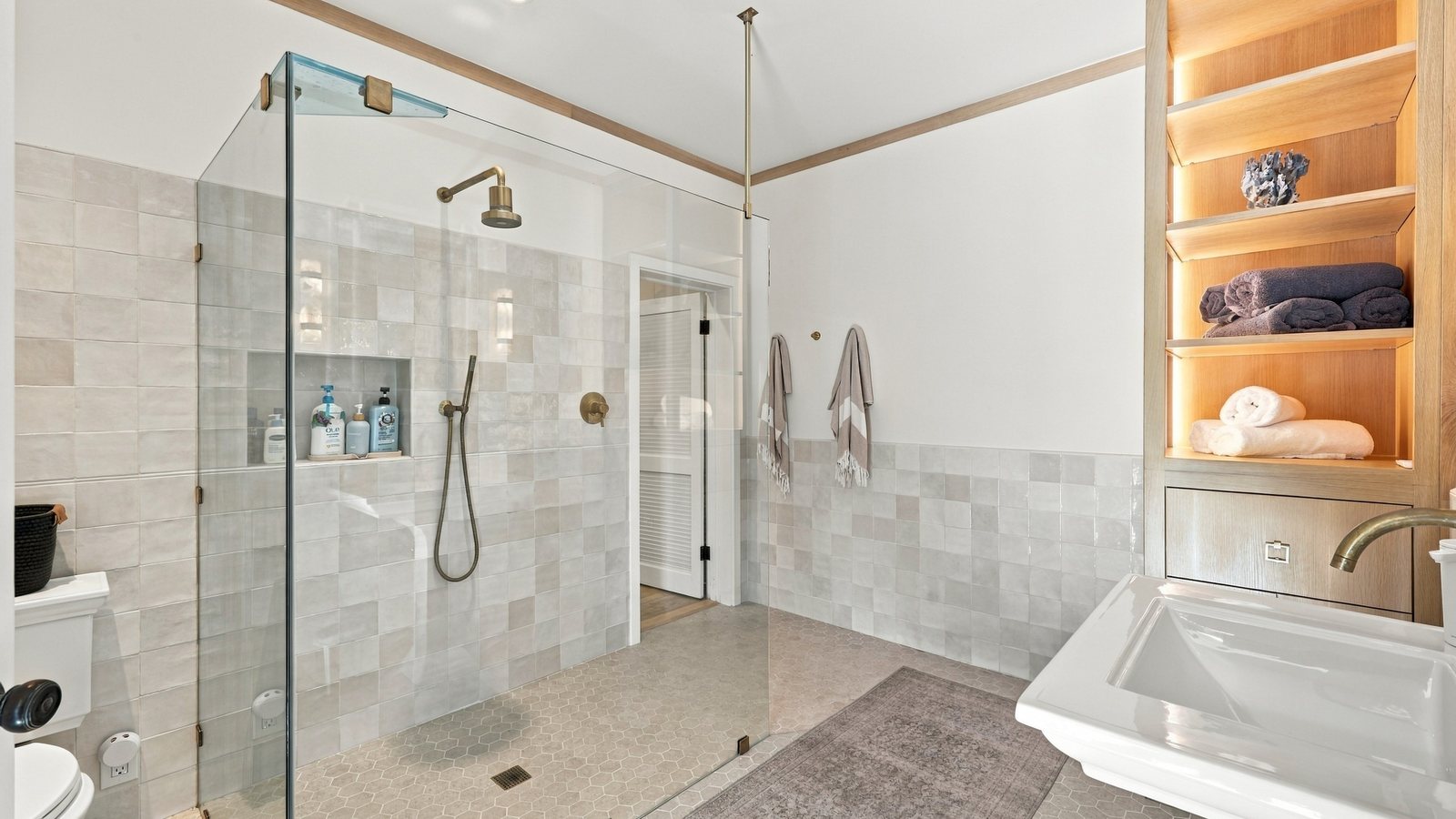
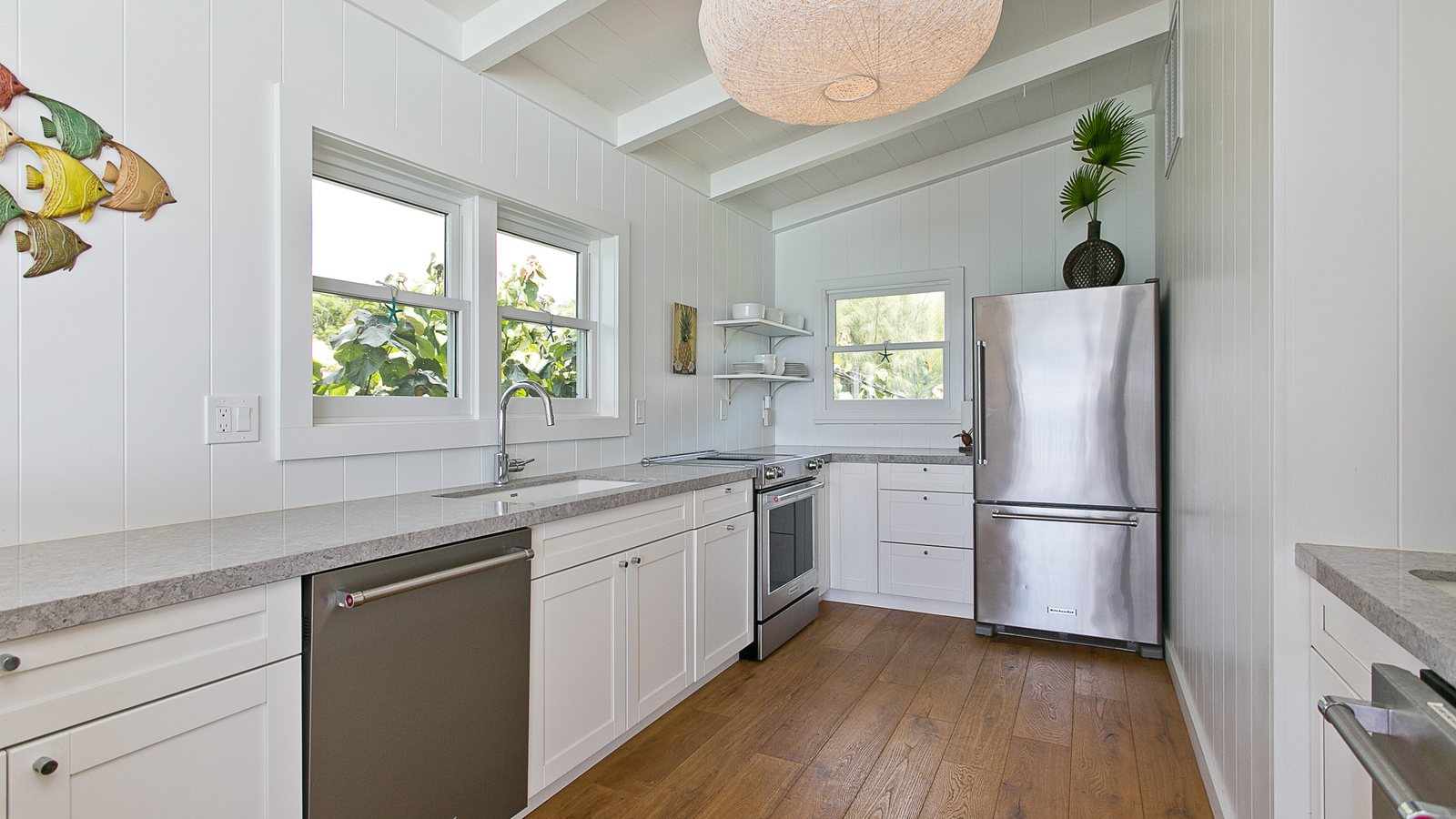
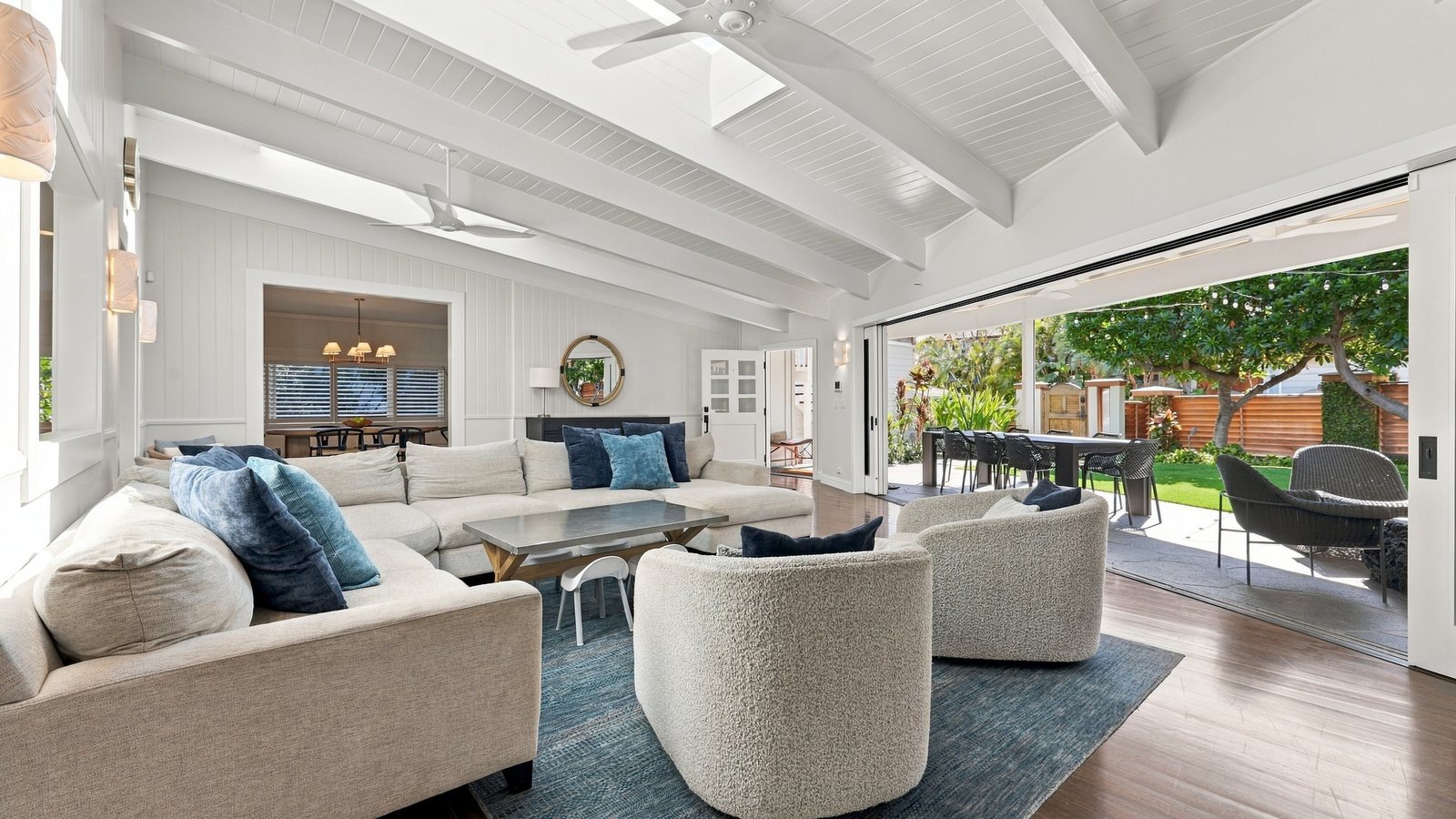
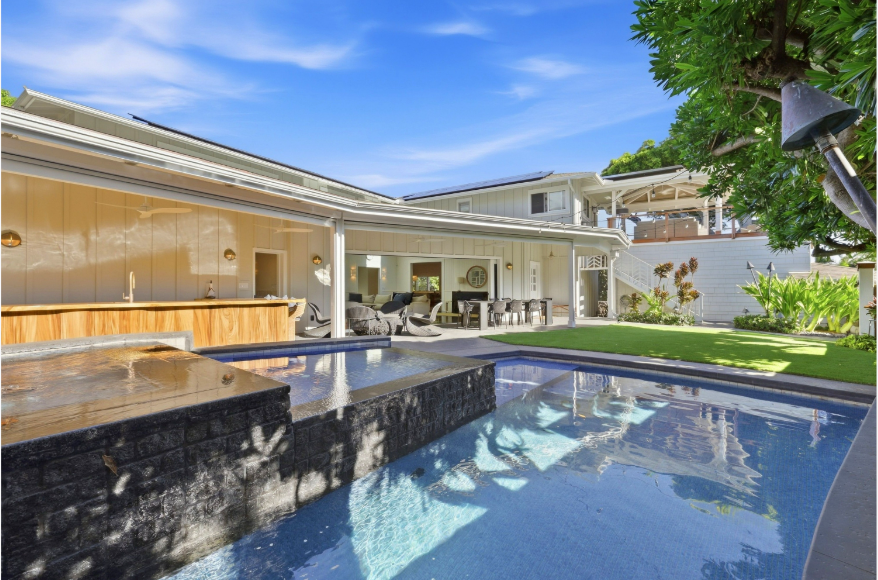
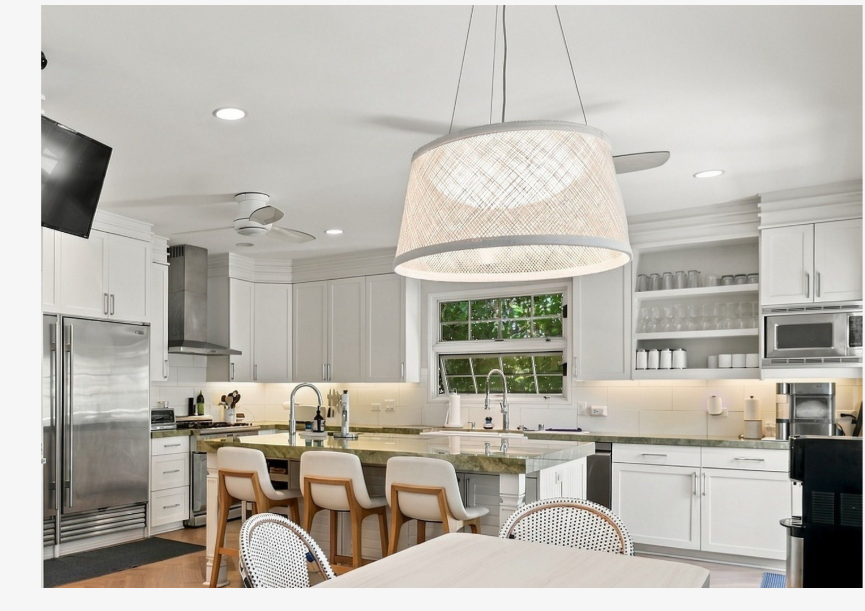
Just listed: 85 Mahiloa Pl

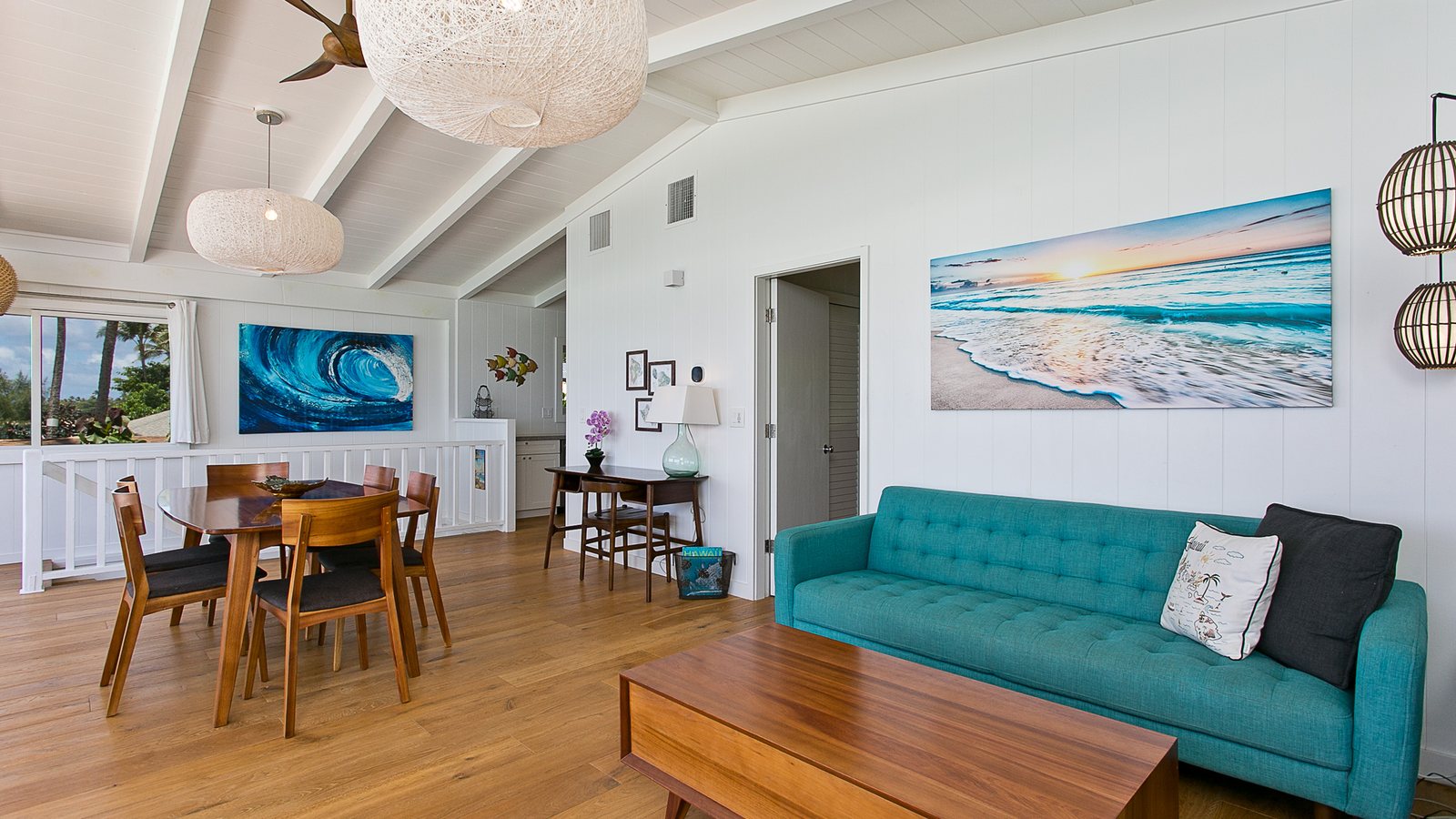
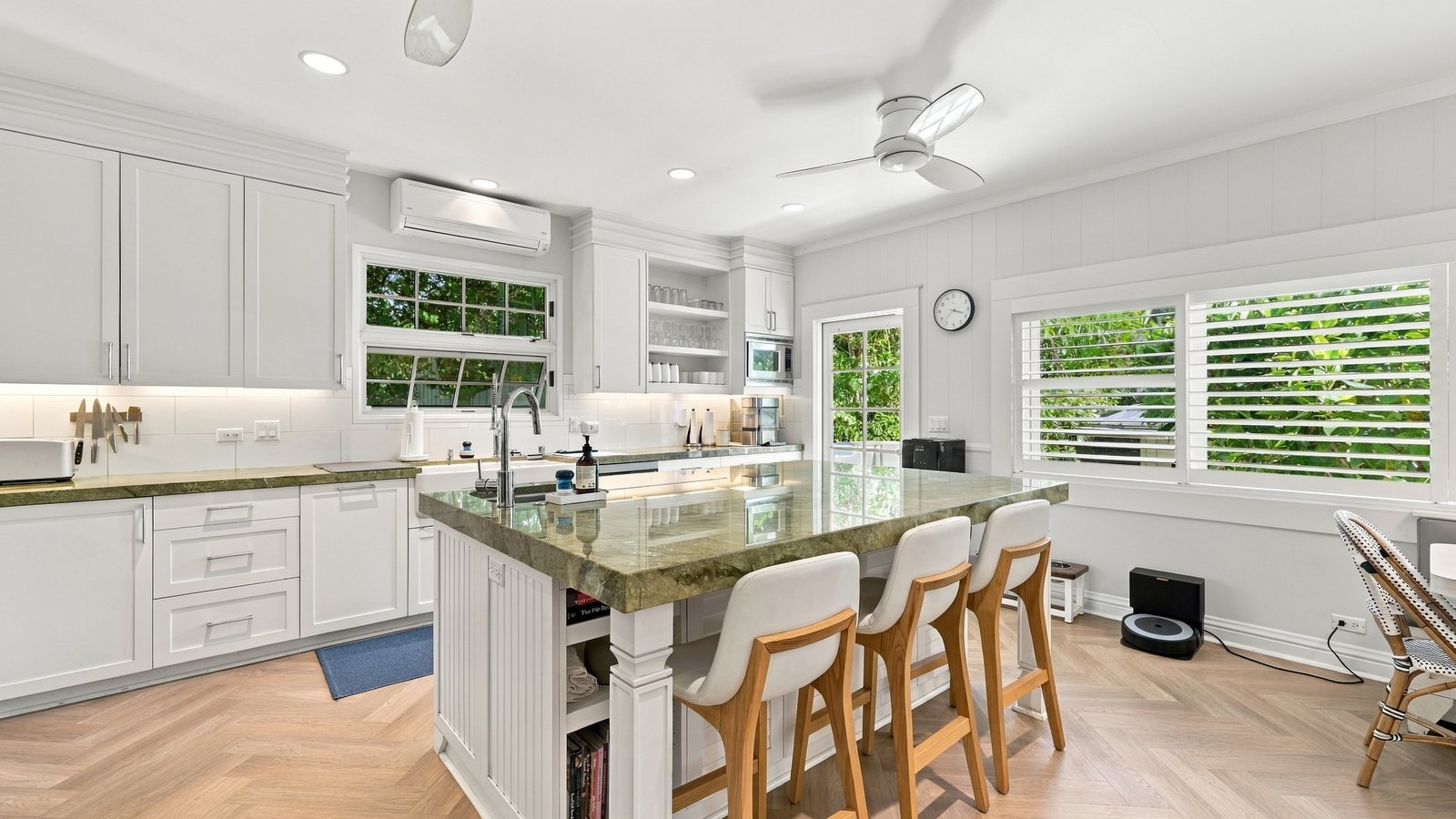
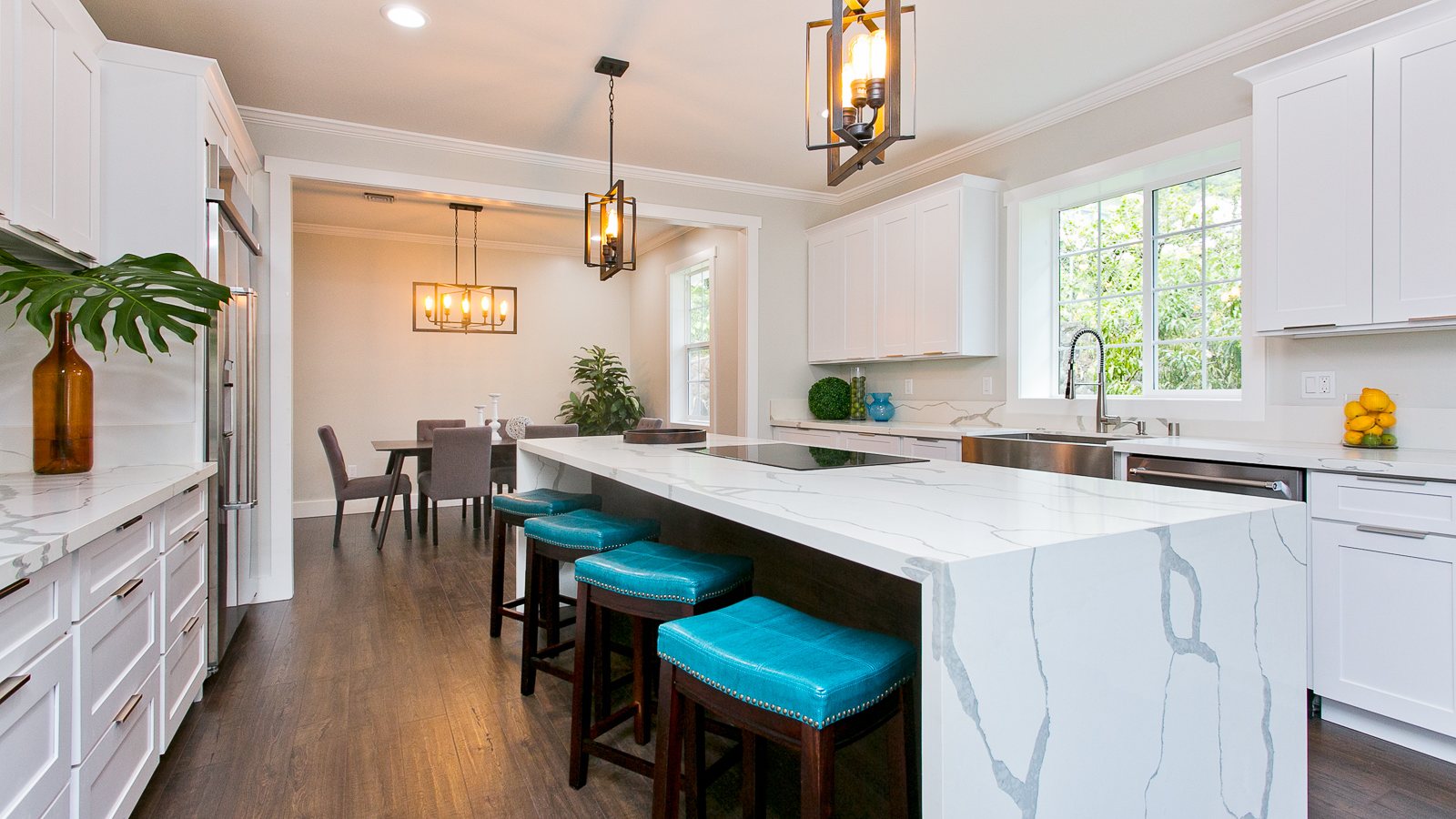
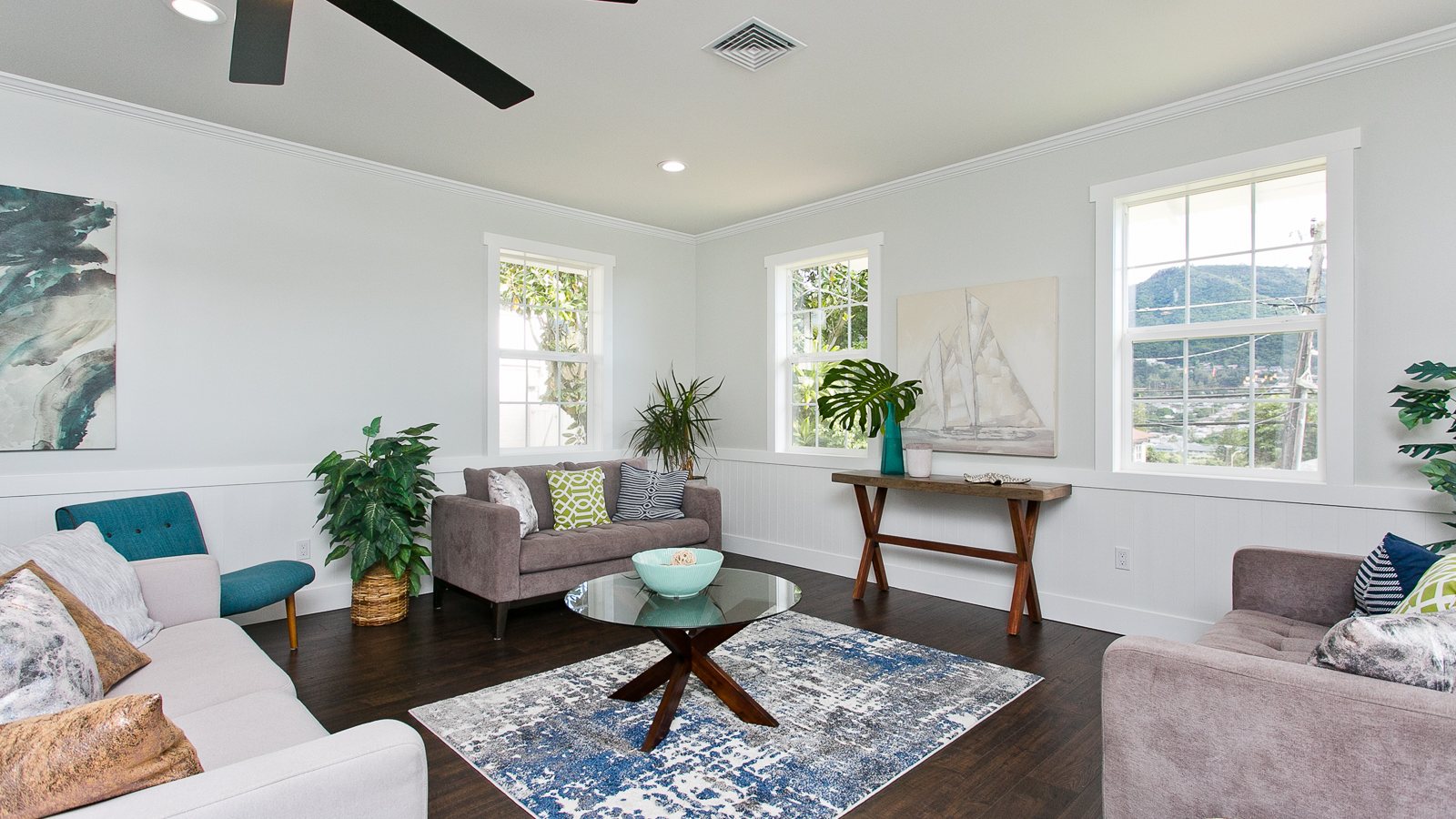
Just listed in Beachside, Kailua, one of the most coveted neighborhoods in Hawaii - this beautifully renovated single level home i just 5 lots from Kailua beach!

Click here To see the full listing of 85 Mahiloa Pl, Kailua. Listed for $4,199,000 FS. 

See more photos here 


Posted in Kailua real estate
June 1, 2026

The 7 Hardest Adjustments After Moving to Oahu (That Nobody Talks About)

Every year, thousands of people dream about moving to Oahu.

They picture turquoise water, swaying palm trees, year-round sunshine, and a lifestyle that feels worlds away from the stress of the mainland. In many ways, that dream is real. Living on Oahu can be an incredible experience.

But after helping families relocate to Hawaii for more than 24 years, I've noticed something interesting.

The people who thrive here are usually not the ones who arrive with the most romantic expectations.

They're the ones who arrive prepared for reality.

The truth is that moving to Oahu involves adjustments that most relocation articles never discuss. If you're considering making Hawaii your home, understanding these challenges beforehand can make your transition significantly smoother.

I. The Cost of Everyday Life Hits Harder Than Most People Expect

Most people know Hawaii is expensive.

What surprises them is how quickly those expenses show up in everyday life.

Groceries, utilities, dining out, vehicle registration, insurance, home maintenance, and basic household goods often cost substantially more than comparable expenses on the mainland.

A family relocating from Arizona, Texas, or the Midwest may find that their housing payment is only part of the equation. The cumulative impact of daily living expenses can be a much larger adjustment than expected.

The buyers who adapt best are those who create a realistic Hawaii budget before they move rather than after they arrive.

II. The Island Is Smaller Than It Looks

Many newcomers assume Oahu offers endless opportunities for exploration.

While the island is incredibly diverse, it is still an island approximately 44 miles long and 30 miles wide.

At first, everything feels new and exciting.

Over time, some residents discover that favorite beaches, hiking trails, restaurants, and neighborhoods become familiar much faster than expected.

This phenomenon is often referred to as "island fever."

Not everyone experiences it, but those who do are usually people who are accustomed to frequent road trips, spontaneous weekend travel, or easy access to multiple nearby cities.

The solution isn't avoiding Oahu. It's understanding that island living rewards people who embrace community, hobbies, outdoor activities, and local relationships rather than constant novelty.

III. The Distance From Family Feels Different Than You Imagine

One of the most emotional adjustments for mainland transplants is geographic isolation.

A flight to visit family isn't a quick weekend drive.

It's often a five-to-ten-hour travel day combined with significant airfare costs.

Many people don't fully appreciate what this means until birthdays, holidays, family emergencies, or important milestones occur.

For some families, this becomes the most difficult aspect of island life.

The people who handle it best typically establish a plan before moving. They budget for travel, schedule regular visits, and maintain strong routines for staying connected with loved ones.

IV. Hawaii Runs on "Island Time"

This phrase is often misunderstood.

It doesn't mean people are lazy.

It means Hawaii places a different value on urgency than many mainland markets.

Service providers, contractors, repair schedules, permitting timelines, deliveries, and appointments sometimes move at a pace that can frustrate newcomers accustomed to highly efficient metropolitan environments.

The adjustment isn't learning patience.

It's learning that relationships often matter more than speed.

People who build strong local connections generally find that life becomes easier over time.

V. Condo Living Is Different Here

Many relocation buyers choose condos because they provide convenience, security, amenities, and lower maintenance responsibilities.

However, Hawaii condos come with unique considerations.

Maintenance fees are often substantially higher than mainland buyers expect. Insurance costs have risen. Older buildings may face significant repair projects or special assessments. Reserve funding and building management quality vary considerably from property to property.

This is one reason why experienced local guidance matters.

A beautiful unit can still be a poor purchase if the building itself has financial or structural issues.

When evaluating condos on Oahu, buyers should pay as much attention to the building as they do to the individual unit.

VI. Traffic Can Be Surprisingly Frustrating

Many mainland buyers assume island life means shorter commutes and less congestion.

In reality, Oahu's geography funnels a large percentage of residents through a relatively limited transportation network.

Traffic between East Honolulu, Downtown Honolulu, Kapolei, Pearl City, and other employment centers can be significant during peak hours.

The distance may appear short on a map, but travel times often tell a different story.

Choosing the right neighborhood isn't just about the home itself.

It's about understanding how that location fits your daily routine, work schedule, school needs, and lifestyle priorities.

VII. Hawaii Is Real Life, Not Vacation

This is perhaps the biggest adjustment of all.

When people visit Oahu on vacation, they experience the best version of the island.

They stay near the beach.

They eat at restaurants.

They spend their days exploring and relaxing.

Living here is different.

You still have work responsibilities.

You still have household chores.

You still deal with budgeting, maintenance, errands, and life's everyday stresses.

The difference is that those responsibilities happen in one of the most beautiful places on Earth.

The people who love Hawaii long-term are usually the ones who stop treating it like a vacation destination and start embracing it as home.

Final Thoughts

Despite these challenges, I wouldn't want to live anywhere else.

Oahu offers a lifestyle, natural beauty, cultural richness, and sense of community that is difficult to find anywhere in the world.

The goal isn't to scare people away from moving here.

The goal is to help them arrive with realistic expectations.

When buyers understand both the rewards and the realities of island living, they tend to make better decisions, experience less frustration, and build deeper connections to Hawaii over time.

If you're considering a move to Oahu and would like honest guidance about neighborhoods, condos, schools, commute patterns, or the realities of island life, I'd be happy to help.

May 22, 2026

Best STVR Condos on the Island of Oahu (2026)

The best STVR condos on Oahu are concentrated in three resort communities where short-term rentals are legally permitted: Waikiki (condotels like the Ilikai and Waikiki Shore), Ko Olina (primarily the Beach Villas at Ko Olina), and Turtle Bay / Kuilima Estates on the North Shore. Outside these zones, legal daily rentals are essentially off the table under Honolulu's current land-use rules. Each community has dramatically different HOA fees, price points, guest profiles, and tradeoffs - and choosing the wrong one is an expensive mistake.

Quick Picks by Goal

Best for rental income: Waikiki Condotels (Ilikai, Waikiki Shore) - lower entry price, strong occupancy, highest walkability

Best for luxury: Beach Villas at Ko Olina - resort-level finish, lagoon access, Disney/Four Seasons adjacency

Best for lower HOA: Kuilima Estates (Turtle Bay) - $500-$1,200/mo, lower entry, strong niche demand

Best for walkability: Waikiki - restaurants, beach, shopping all within steps

Best oceanfront: Waikiki Shore - only true beachfront condotel in Waikiki

Best for families/groups: Beach Villas at Ko Olina - 2-3BR layouts, lagoon access, resort amenities


Understanding the STVR Landscape on Oahu

Short-term vacation rental (STVR) investing on Oahu is nothing like the mainland. Honolulu's Bill 62 enforced a 90-day minimum rental period for nearly all residential properties, which means the casual "buy a condo and Airbnb it" strategy is largely illegal here unless your property sits inside a designated resort zone.


On Oahu, there are three primary areas where daily short-term rentals are legally permitted for condo investors:

Waikiki - resort-zoned condotel buildings and two specific apartment-precinct parcels along Kuhio Avenue

Ko Olina - the resort zone on Oahu's leeward coast, primarily the Beach Villas at Ko Olina

Turtle Bay / Kuilima Estates - the resort zone on the North Shore, including the Ocean Villas and all 368 Kuilima Estates units


Important: Zoning alone does not guarantee STR rights. The building's own HOA governing documents can prohibit short-term rentals even in a resort zone. Within Ko Olina, for example, the Beach Villas are fully STR-friendly - but some other residential communities nearby have 30-day minimum requirements in their association rules. Always verify both the zoning and the governing documents of the specific building before making an offer.

Resort-zoned properties are also taxed at a higher rate than residential properties. This is the tradeoff for being in one of a small handful of communities where daily rentals are allowed. Factor this into your carrying cost calculations - consult a tax advisor before purchasing.

Now let's look at each community in detail.


Waikiki Condotels

HOA: $600-$1,300/month (varies by building)


Waikiki is where most STVR investors start - and for good reason. The buyer entry points are lower than Ko Olina, the tourist traffic is relentless year-round, and walkability is unmatched anywhere on the island. The key buildings to know are the Ilikai (1,009 units at the Ala Moana edge of Waikiki) and the Waikiki Shore (the only true beachfront condotel in Waikiki, steps from the sand on Kalakaua Ave).


The Ilikai starts around $475,000 for a studio with ocean or marina views. Well-managed units with strong booking history have reported 70-77% occupancy rates. Nightly rates vary significantly by unit quality, view, and season, but a renovated 1-bedroom can command competitive hotel-comparable rates, especially during peak winter and spring shoulder seasons.


The Waikiki Shore stands out for its HOA efficiency - the association owns commercial spaces in the building, with that revenue offsetting owner dues, making its maintenance fees notably lower relative to comparable ocean-proximity buildings. It's resort-zoned, so STR operation is straightforward. However, pricing is higher per square foot given the beachfront location.


One critical caveat: not every building in Waikiki allows STRs. The permissible zone is specific. Outside the resort-zoned buildings and two defined apartment-precinct parcels on Kuhio Avenue, the rest of Waikiki is off-limits for new STR registrations. Always confirm the exact tax map key (TMK) and zoning of any unit before proceeding.


Financing is also more complex here. Condotel units are typically considered non-warrantable under conventional agency guidelines, which limits access to standard conforming loans and can push buyers toward portfolio or non-QM financing at higher rates. Plan for this in your underwriting.


Pros:

- Lowest entry prices of the three resort zones

- Highest year-round tourist demand and walkability

- Established hotel-like management programs available

- Strong nightly rate potential in renovated units

- Waikiki Shore has uniquely low HOA relative to location


Cons:

- Non-warrantable financing - higher rates, more lender scrutiny

- Older building stock; deferred maintenance risk

- High density and noise - not a quiet resort experience

- STR eligibility varies unit-by-unit in some buildings

- Resort property tax rate applies


Best for: Investors focused on cash flow optimization, buyers with a limited budget who still want legal STVR exposure, and buyers who want an established market with hotel-comparable occupancy data.


Think twice if: You want a quiet, resort-feel personal escape. Waikiki is urban, dense, and busy - ideal for guests, but not for buyers who prioritize a serene owner-use experience.


Beach Villas at Ko Olina

HOA: $2,600-$2,800/month (2BR range)


The Beach Villas at Ko Olina are the luxury play in Oahu STVR investing. Located within Ko Olina's master-planned resort community on the island's leeward west coast, these 2-3 bedroom villas sit steps from protected lagoons, with resort-level amenities including heated and lap pools, a fitness center, koi ponds, and a beachfront bar with live music. The kitchens are custom-designed by chef Roy Yamaguchi with Sub-Zero and Wolf appliances.


The property is resort-zoned and legally permitted for short-term rentals - making it a genuine condotel play at the luxury end of the market. Neighboring resorts include Aulani (Disney's Hawaii resort), the Four Seasons Resort Oahu at Ko Olina, and the Marriott's Ko Olina Beach Club. That proximity to major resort brands drives strong family and premium traveler demand.


The trade-off is carrying costs. HOA fees run approximately $2,600-$2,800 per month for a 2-bedroom unit - significantly higher than Waikiki condotels or Turtle Bay. Combine that with a higher purchase price (2-bedroom units typically start around $1M and go well above depending on floor and view) and the resort property tax rate, and your monthly carrying cost before debt service is already substantial. This investment only pencils out with strong occupancy and premium nightly rates - which Ko Olina's resort positioning can support, but it requires consistent management and a well-presented unit.


Note that not all Ko Olina residential communities have the same STR rights. Hillside Villas and some other residential communities within Ko Olina operate under 30-day minimums baked into their governing documents. The Beach Villas are the primary legal daily-rental play within Ko Olina.


Pros:

- Premium resort positioning next to Aulani and Four Seasons

- Fully legal STR with resort zoning

- Strong family/luxury traveler demand

- 2-3BR layouts command high nightly rates

- Protected lagoons - calmer water than open-ocean Waikiki beaches


Cons:

- HOA fees among the highest on the island (~$2,600-$2,800/mo)

- Far from Honolulu (~35-40 min drive to town)

- Requires premium nightly rates to offset carrying costs

- Limited inventory - units don't come to market often

- Resort property tax rate applies


Best for: Buyers who want a luxury second home that generates income during personal non-use periods, investors targeting premium family and destination travelers, and buyers comfortable with higher carrying costs in exchange for a true resort product.


Think twice if: Your investment thesis depends heavily on cash-on-cash returns at current interest rates. The carrying costs are real, and this only works well if you're generating $400-$700+ per night with solid occupancy.


Kuilima Estates and Ocean Villas at Turtle Bay

HOA: $500-$1,200/month (by unit size)


The North Shore is a completely different market than either Waikiki or Ko Olina - and that's the point. Kuilima Estates (East and West) sits within the Turtle Bay resort boundary on Oahu's rural north coast, adjacent to two championship golf courses (Arnold Palmer and George Fazio), five miles of coastline, 12 miles of hiking and biking trails, and the Ritz-Carlton Oahu at Turtle Bay. The 368-unit gated community is one of only three locations on Oahu where legal daily vacation rentals are permitted.


The Kuilima Estates STR eligibility was formalized via a 2020 DPP declaratory ruling, confirming that all 368 units qualify for B&B and TVU (Transient Vacation Unit) registration because the property sits within 3,500 feet of a resort zone. This was a significant development that opened the community to legal short-term rental operation for all owners. The Ocean Villas, which are true oceanfront condos with resort zoning, can be rented nightly and include concierge service options through the resort.


Entry prices are higher than Waikiki for comparable square footage - studios start mid-$800,000s and 1-bedrooms begin around mid-$900,000s - but HOA fees are dramatically lower at $500-$1,200 per month depending on unit size. This significantly improves the monthly carry compared to Ko Olina. A well-upgraded 2-bedroom with loft can rent for $450-$650 per night during peak seasons, with particularly strong demand from surf travelers November through February when the legendary North Shore swells are running.


The trade-off is location. Turtle Bay is remote - roughly 45-55 minutes from Honolulu and 30-35 minutes from the nearest significant shopping. Guests need to want the North Shore experience specifically. This actually creates a strong niche: the guest who books Turtle Bay is self-selecting for surf culture, nature, and escape, and they're typically happy to pay a premium for legal, well-maintained private accommodations in that specific environment. Competition from illegal vacation rentals is also reduced because the pool of legal inventory is genuinely limited here.


Pros:

- Lowest HOA fees of the three legal STVR zones

- Strong niche demand from surf/nature travelers

- Limited legal inventory = less competition

- Gated resort community with golf, trails, beach access

- Ritz-Carlton brand adjacency (formerly Turtle Bay Resort)


Cons:

- Remote - 45+ min from Honolulu, limited nearby amenities

- Strong seasonality; summer demand softer than winter

- Higher purchase prices relative to unit size vs. Waikiki

- Guests must specifically want the North Shore experience

- Resort property tax rate applies


Best for: Buyers who want the lowest ongoing carrying costs of the three resort zones, investors targeting the surf/nature niche traveler, and buyers who want a true "away from it all" personal escape that still generates legal short-term rental income.


Think twice if: You're expecting the same demand volume as Waikiki. Turtle Bay draws a specific traveler. Vacancy management matters more here than in Waikiki's year-round tourist conveyor belt.


Comparing the Three Communities


Factor | Waikiki | Ko Olina | Turtle Bay

Entry Price | $475K-$900K | $1M+ (2BR min) | $800K-$1M+

HOA / Month | $600-$1,300 | $2,600-$2,800 | $500-$1,200

STR Legal Basis | Resort zoning / NUC | Resort zoning | Resort zone / DPP ruling

Demand Profile | High volume, year-round | Premium families | Surf/nature, seasonal

Distance to Honolulu | In the city | ~35-40 min | ~50-55 min

Best Owner-Use Vibe | Urban resort, nightlife | Luxury, quiet resort | Escape, surf, nature

Financing | Non-warrantable (complex) | Non-warrantable (complex) | Varies by unit/lender


What Buyers Get Wrong About Oahu STVR Investing


Mistake 1: Assuming the zoning is the whole answer. Buyers find a property in a resort-zoned area and stop there. But HOA governing documents can override the zoning and prohibit short-term rentals entirely within a specific building or community. Always review the association's declaration and house rules, not just the City and County zoning map.


Mistake 2: Underestimating carrying costs. Hawaii's HOA fees include hurricane and flood insurance, which pushes them well above mainland equivalents. Factor in HOA dues, resort property taxes, GET (General Excise Tax), Transient Accommodations Tax (TAT), management fees if you're not self-managing, and financing costs. The number that matters is net operating income - not gross rental projections.


Mistake 3: Comparing nightly rates without accounting for occupancy. A Ko Olina villa that rents for $600/night at 50% occupancy generates less annual income than an Ilikai unit at $250/night at 75% occupancy. Model the math before you fall in love with a property.


Mistake 4: Ignoring leasehold vs. fee simple. Some units in these communities - including some in Ko Olina and older Waikiki buildings - are leasehold rather than fee simple. Leasehold properties can look attractive on price but carry financing limitations, lease rent obligations, and resale risks as the lease term shortens. Fee simple is generally preferred for investment properties intended to hold long-term.


Frequently Asked Questions


Can you Airbnb condos on Oahu legally?


Yes, but only in specific resort-zoned communities. Under Honolulu's current rules, short-term rentals (under 90 days) are only legal in designated resort areas - primarily Waikiki condotel buildings, the Ko Olina resort zone, and the Turtle Bay/Kuilima Estates area on the North Shore. Outside these zones, the minimum rental period for residential properties is 90 days.


What are HOA fees like for STVR condos in Hawaii?


They vary significantly by community. Turtle Bay's Kuilima Estates runs $500-$1,200/month depending on unit size. Waikiki condotels typically range from $600-$1,300/month, often including some utilities. Ko Olina Beach Villas run approximately $2,600-$2,800/month for 2-bedroom units, reflecting the resort-level amenities and beachfront location.


Is Ko Olina a good investment property?


Ko Olina can work well for the right buyer - specifically one targeting premium travelers, comfortable with higher carrying costs (~$2,600-$2,800/mo HOA alone), and positioned to achieve $400-$700+ nightly rates with solid occupancy. It's a luxury play, not a cash-flow-first strategy. If your primary goal is ROI optimization, Waikiki offers more margin flexibility at a lower entry cost.


What is the best community on Oahu for a lower-cost STVR investment?


Waikiki offers the lowest entry prices among the three legal STVR zones, with studios starting around $475,000. For the lowest ongoing carrying costs, Kuilima Estates at Turtle Bay has HOA fees ($500-$1,200/mo) well below Ko Olina and comparable to or below Waikiki, though entry prices are similar to or higher than Waikiki for comparable unit sizes.


What is the difference between a resort-zoned condo and a regular condo on Oahu?


Resort-zoned properties are legally intended for visitor accommodations and can be rented on a nightly basis. Regular residential and apartment-zoned properties are subject to Honolulu's 90-day minimum rental requirement under Bill 62. Resort-zoned properties are taxed at a higher rate than owner-occupied residential properties, which is part of the carrying cost tradeoff that comes with STVR rights.


Do I need to be present to run an STVR on Oahu?


It depends on the license type. A Bed and Breakfast Home (B&B) requires you or your lessee/operator to live in the same unit being rented. A Transient Vacation Unit (TVU) does not have this requirement. Most investor-focused STVR condos in resort-zoned buildings operate under the TVU framework, or as condotels operating under hotel exemptions - these do not require owner presence. Verify which framework applies to any specific building.


Ready to Find Your STVR Condo on Oahu?


I specialize in resort condo communities on Oahu - including Waikiki condotels, Ko Olina, and Turtle Bay. Let's talk through which community fits your goals, budget, and timeline.


Visit AlohaTony.com to book a free consultation.

March 20, 2026

First-Time Homebuyer in Hawaii — Is It Possible?

First-Time Homebuyer in Hawaii: Is It Actually Possible?


I get this question a lot from local people — people who grew up in Hawaii, work here, and desperately want to own a piece of the island they call home. And the question is usually delivered with a combination of hope and defeat: "Is it even possible for me to buy a home here?"

The answer is yes. It's not easy. It requires a plan, some sacrifice, and smart choices. But I've helped hundreds of first-time buyers in Hawaii close on their first homes, and I'll tell you exactly how.


Know Your Programs

Hawaii has several assistance programs that most first-time buyers don't know about:

HHFDC FLEX Program: The Hawaii Housing Finance and Development Corporation offers down payment assistance and below-market rate loans to first-time buyers who meet income and purchase price limits. If you're a local buyer and your household income is under the program limits (which are relatively generous), this can be a game-changer.

USDA Loans: Parts of Oahu that might surprise you are USDA-eligible, meaning zero down payment for qualifying buyers. Mililani Mauka, parts of the North Shore, and some windward communities qualify. Worth checking before you assume you need 20% down.

VA Loans: If you've served, use your benefit. I cannot overstate how powerful this tool is in Hawaii's market.

FHA Loans: 3.5% down, more flexible credit requirements. The mortgage insurance is a cost, but it gets you in the door.


Where to Look When Budget Is the Priority

I'll be straight with you: if your budget is under $600K, your options for single-family homes are limited to areas where the commute is longer and the neighborhood character is more suburban. That's Ewa Beach, Waipahu, parts of Pearl City, and some areas of Mililani Town.

Are those bad places to live? Absolutely not. Ewa Beach has excellent new construction, great schools, and a growing community. Mililani is genuinely one of the best family communities in the entire state. But if you're dreaming of Hawaii Kai or Kailua on a $500K budget, I have to be honest with you about what that will get you.

Under $700K, condos are also worth serious consideration. There are beautiful condos in Ko'olina, Kakaako, and other areas that offer legitimate quality of life at a price point that makes sense.


The Most Important Thing I Can Tell You

Get pre-approved now. Even if you're 6-12 months away from buying. The pre-approval process will tell you exactly what you can afford, what your monthly payment will look like, and — crucially — what credit or savings improvements would increase your purchasing power before you're ready to buy.

I work with trusted local lenders who specialize in first-time buyers and Hawaii-specific loan programs. I'll introduce you to the right person for your situation.

Don't give up on owning in Hawaii because it feels impossible. Call me at (808) 395-5776 and let's build a plan together.

March 11, 2026

How to Sell Your Hawaii Home for the Most Money

How to Sell Your Hawaii Home for the Most Money (From Someone Who's Done It Thousands of Times)


I've sold more homes on Oahu than 99% of agents in Hawaii. That's not a boast — it's just a fact that I think matters when you're deciding who to trust with what might be your largest financial asset.

Over the years, I've noticed that sellers who get the most money for their homes consistently do a handful of things right. And sellers who leave money on the table consistently make the same avoidable mistakes. Here's what I've learned.


Price It Right From Day One

This is the most important decision you'll make. Overprice your home and it sits. Buyers notice a property that's been on the market for 60 days and start wondering what's wrong with it. You end up reducing the price anyway, but by now you've lost momentum, and buyers expect an even bigger discount.

My pricing strategy is counterintuitive but battle-tested: I'd rather list your home slightly below market value than above it. Why? Because a properly priced listing in Hawaii gets multiple offers, and multiple offers drive the price up. I've consistently gotten sellers more than asking price this way — not by luck, but by creating competitive pressure.


Presentation Is Non-Negotiable

Hawaii real estate attracts buyers from all over the world, many of whom are making purchase decisions based on online photos and virtual tours. Your photos need to be exceptional. I use professional photographers for every listing — no exceptions. If your home needs staging, we stage it. If there are small repairs that will show poorly in photos or an inspection, we address them before going to market.

The goal is to create a listing that stops a buyer scrolling Zillow at 11pm and makes them think "I need to see this." That's the listing that gets showings. Showings get offers.


Market Your Home Everywhere

I market listings across hundreds of websites — not just the MLS and Zillow. I specifically target mainland buyers, because a significant percentage of Oahu buyers are relocating from California, the Pacific Northwest, Texas, and New York. If your home is only being marketed to people already on the island, you're missing half your potential buyer pool.

Social media, targeted digital advertising, my network of agent relationships — every tool goes to work for your listing.


The Commission Conversation

I list homes for 2% on the listing side — lower than most full-service agents in Hawaii. But I want to be clear about something: the commission you offer to buyer's agents matters enormously. A motivated buyer's agent will bring their qualified buyers to your listing. A poorly compensated buyer's agent will show your home last, if at all. Don't save on the wrong end.

Ready to talk about your home? Call me at 

March 2, 2026

VA Loans in Hawaii — What Military Families Need to Know

VA Loans in Hawaii: What Military Families Need to Know Before They PCS


Every year, thousands of military families PCS to Hawaii — and most of them have no idea what they're getting into with the real estate market here. Hawaii is unlike any duty station in the continental United States, and the VA loan rules that work seamlessly in Virginia or Texas get a little more complicated when you add an island, a tight inventory market, and some unique Hawaii real estate quirks to the mix.

We have a VA loan specialist on our team — Ryan Adams, an Army veteran with 14 years of service who now focuses exclusively on helping military families navigate Oahu real estate. Here's what he and I want you to know.


The Good News: Your VA Loan Benefit Is Powerful Here

The VA loan is one of the greatest financial tools available to American military members, and on Oahu it's especially valuable. No down payment. No private mortgage insurance. Competitive rates. In a market where a $900,000 home is entry-level, saving 10-20% for a conventional down payment is a significant barrier. The VA loan removes that barrier.

For 2025, the VA loan limit in Hawaii has no cap for eligible veterans — meaning you can use your full entitlement to buy a home at any price point without a down payment, as long as you qualify income-wise.


Hawaii-Specific VA Loan Considerations

A few things that are different in Hawaii:

Termites: The VA appraisal will flag termite issues. Hawaii has an active termite environment. Get a termite inspection from a reputable local company early in the process — before the VA appraiser flags it and creates delays.

Leasehold properties: VA loans cannot be used on leasehold properties. This is a hard rule. Make sure every property you're considering is fee simple.

Condos need VA approval: Not all condo buildings are VA-approved. This matters a lot on Oahu, where condos are a significant portion of the market. We can check VA approval status before you waste time falling in love with a building that won't work for your loan.

Moving sight-unseen: It happens more than people admit. Many military families are stationed overseas or at a remote duty station when they PCS orders come through. We've closed dozens of properties for clients who never set foot on the island before closing. Virtual tours, detailed video walkthroughs, and our network of trusted inspectors make it work.


How Early Should You Start?

Earlier than you think. Reach out to us the moment you receive PCS orders — even if you're 6 months out. The Oahu market moves fast, and the best properties in the right neighborhoods go quickly. Starting your search early also gives you time to get pre-approved, research neighborhoods (Kailua vs. Kaneohe vs. Mililani vs. Ewa Beach — all very different lifestyles), and understand the market before you're under time pressure.

Posted in va loans hawaii
Feb. 24, 2026

The Oahu Real Estate Market — What's Actually Happening in 2025

The Oahu Real Estate Market in 2025: My Honest Take


Every year I write a version of this post. Every year people are surprised that I'm willing to say things that don't necessarily benefit me. Here's the thing: my job is to help you make a good decision, not to convince you the market is perfect for buying or selling regardless of reality.

So here's my honest take on what the Oahu real estate market looks like in 2025.


The Good News: We Avoided the Crash That Never Came

For the past two years, people have been calling me asking when the Hawaii market is going to crash. The short answer: it's not crashing. Here's why. We have a structural supply shortage that doesn't go away when mortgage rates go up or the stock market wobbles. There are more people who want to live in Hawaii than there are homes available. That equation has been true for 50 years and there's no sign of it changing.

Yes, the pace of sales has slowed. Yes, prices have come off their 2022 peaks in some segments. But "the market slowed down" is not the same as "the market crashed." Sellers who are priced right are still selling. Buyers who are ready to move are still finding opportunities.


The Honest Challenges

Mortgage rates remain elevated compared to the sub-3% era that ended in 2022. This has reduced purchasing power for buyers significantly. A buyer who could afford $1.2M at 3% can now afford roughly $900K at 7%. That's a real squeeze.

This is creating a lock-in effect — sellers who bought or refinanced at low rates don't want to give up their rate to move, so they're staying put. This suppresses inventory further, which keeps prices from dropping much.

The net result: a slower market with fewer transactions and limited inventory, but prices that are stubborn on the downside.


Where Are the Opportunities?

I'm seeing opportunities in a few specific places:

New construction — Particularly in Ho'opili and Hoakalei in Ewa Beach. Builders are offering interest rate buydowns and incentives that effectively lower your rate. In some cases, you can lock pricing now and close 12-18 months out, betting that rates come down before you move in.

Older condos — The condo market on Oahu is more nuanced than single-family. Buildings with high maintenance fees, older infrastructure, or pending special assessments are sitting longer. For cash buyers or well-capitalized buyers who don't mind some renovation, these represent solid value.

Estate sales and motivated sellers — In every market, there are sellers who need to move. Death, divorce, job relocation. These sellers are willing to negotiate, and right now there's less competition from other buyers than there was two years ago.


My Advice for 2025

For buyers: Stop waiting for a crash that isn't coming. If you can afford to buy, buy. Renting in Hawaii is nearly as expensive as owning in many cases, and you're building someone else's equity. Find the right property in the right neighborhood, and make a smart offer.

For sellers: Price correctly from day one. The days of testing the market at 15% over value and expecting multiple offers are mostly over. An overpriced listing sits, becomes stale, and eventually sells for less than it would have with a smart list price. I can help you find the sweet spot.

Questions? Call me at the number on the top right of the site. I'm always happy to give you an honest read on your specific situation.

Posted in moving to Hawaii
Feb. 18, 2026

Moving to Hawaii? Read This First

Moving to Hawaii? Here's What Nobody Warned Me To Tell You


Every week I get calls from people on the mainland who've decided to make the move to Hawaii. They're excited. They've got a budget in mind. They've been browsing Zillow and it's looking... manageable?

I love these calls, because I get to do two things: help them get excited about one of the greatest life decisions they'll ever make, and get real with them about a few things Zillow doesn't tell you.

Here's what you need to know before you move to Hawaii.


Cost of Living Is Real — and It's Not Just Housing

Yes, Hawaii real estate is expensive. A $900,000 home in Mililani or Ewa Beach that would be $400,000 in Phoenix or Portland — that's the reality. But the cost of living extends beyond your mortgage payment.

Groceries cost 30-50% more than the mainland. Gasoline is consistently among the highest prices in the nation. Utilities — particularly electricity — are extraordinary if you don't have solar. Eating out at nice restaurants costs mainland prices plus island shipping markup. And if you have kids in private schools (many families do, since Hawaii's public school quality varies wildly by neighborhood), add another $10,000-$25,000 per year per child.

I'm not saying this to scare you. I'm saying it because the buyers who thrive here are the ones who came in with their eyes open.


What Your Budget Actually Gets You

Here's a rough breakdown so you can calibrate expectations:

Under $500K: You're in condo territory. There are nice condos — some with ocean views, some in great neighborhoods. But single-family homes at this price point are rare and usually need significant work.

$700K–$1M: You can find a solid single-family home in Mililani, parts of Ewa Beach, or some of the older neighborhoods in town. Don't expect new construction or a big lot, but this range buys a real home for a family.

$1M–$1.5M: This is where Hawaii starts feeling like the Hawaii you imagined. Good neighborhoods, reasonable commutes, decent lots. Hawaii Kai, Kailua condos, Kaneohe single-family.

$2M+: Welcome to the Oahu that mainlanders picture when they dream of Hawaii. Oceanfront. Views. Space. Diamond Head, Portlock, Kailua beachfront.


The Neighborhood Is Everything

One thing I tell every client relocating to Oahu: rent before you buy if you can. Live in your target area for 3-6 months. Because on an island 44 miles long, where you live determines your commute, your community, your weekend lifestyle, and your kids' schools.

The East Honolulu lifestyle (Hawaii Kai, Aina Haina, Kahala) is very different from the windward lifestyle (Kailua, Kaneohe, Waimanalo). Which is completely different from the central Oahu life (Mililani, Pearl City, Aiea). Which is night and day from the North Shore.

I grew up knowing these neighborhoods from the inside. Before you commit to a home, let me show you around.


The Buying Process in Hawaii Is Different

A few things about buying real estate in Hawaii that trip up mainland buyers:

Termites are everywhere. Treat every older home as if it has termites — because it probably does. This doesn't necessarily kill a deal, but you need a thorough inspection from someone who knows Hawaii conditions.

Flood zones matter more than the mainland. Some of the most beautiful properties in Hawaii sit in FEMA flood zones. This means mandatory flood insurance, which can add thousands to your annual costs. Always check the flood map before falling in love with a property.

Leasehold properties exist. I covered this in my Hawaii Real Estate Guide, but the short version: make sure you're buying fee simple unless you know exactly what you're doing.

Escrow is different. Hawaii uses escrow companies, not attorneys, to close real estate transactions. This is standard here and works smoothly — just don't expect it to work like your last purchase in Texas or New York.


The Bottom Line

Moving to Hawaii is one of the best decisions you can make — I've never met someone who regretted it once they were settled in. The key is going in informed, being realistic about budget, and working with an agent who knows the island from the ground up.

If you're thinking about making the move, call me at (808) 201-3577. I've helped hundreds of mainland families land in the right neighborhood at the right price. Let's talk about your situation.

Nov. 13, 2025

Hedge Inflation with New construction in Honolulu - Kaliu

This week our team visited Kaliu, a new condo in Kakaako that will break ground in 2026 and is aiming for a 2028completion, which I assume will be delayed.  Kaliu is a 'front row' luxury condo building on Ala Moana blvd at Coral st, which is directly across from the Chevy dealer by the Kakaako waterfront park. 

The thing I love about new construction is that you can lock in the price and then wait 3-4 years, which can be a great hedge against inflation and rising prices in general.  For a 5% deposit, you get 30 days to think about the decision, and then there is another 15% due in June of 2026.  But then you don't have to complete the sale until the building is done, so you just wait for prices to rise.  This has been amazing in the past, where many people have often made over $200k in gains before their building was even completed. 

This particular building has a few advantages over some others, the first of which is that it will be right across the street from Salt, where there are several cafes and restaurants.  While Ward village down the street has more high end restaurants, Salt is more suited for your daily coffee and sandwich or breakfast, with more moderately priced options.  

Kaliu also has larger 3 bedroom condos that span the entire front width of the building - so that they get the view of both Diamond Head to the East and the airport side facing West. There aren't many other buildings that offer that wide view, and that's probably why many of the high floor 3 bedroom units have already sold, even though they are north of $5million. 

As of November 2025, there are still many units available starting at about $900k for a 1 bedroom plus den, which is almost certainly going to be used as a 2 bedroom by many people.  I think this is maybe the best entry value, since the 2 bedroom units start at about $1.25mil and aren't all that much larger.  

The prices are lower than what I see right now at Victoria place, but higher than the Collection across the street.  This seems in line with the market, since Victoria place has more amenities and is in Ward Village.    

Here are some of the price ranges of each type of unit in the floor plate of Kaliu: 

And there are a lot of amenities at Kaliu, like a pool, hot tub, dog park, men's and women's spa, entertainment rooms, a gym, and more.  Here's the deck layout: 

The kitchens are very modern and simple, and they make me want to do another remodel on my own kitchen, for the 3rd time in 20 years. Here's what they look like: 

And the view from this building is going to be amazing, and most likely will never be blocked, since it has the Kakaako waterfront park in front of it. 

kaliu condo views

We just had a client reserve a 2 bedroom unit this month, and I expect a few more will follow soon.  Since the Hawaii real estate market has been quite slow for the past 3 years, we fully expect the market to pick up and for prices to rise in the next few years.  

So, this new condo in Kakaako, directly across from Salt, is one of the best bets on long term price gains in our market.  For more info, contact us.