Every year, thousands of people dream about moving to Oahu.
They picture turquoise water, swaying palm trees, year-round sunshine, and a lifestyle that feels worlds away from the stress of the mainland. In many ways, that dream is real. Living on Oahu can be an incredible experience.
But after helping families relocate to Hawaii for more than 24 years, I've noticed something interesting.
The people who thrive here are usually not the ones who arrive with the most romantic expectations.
They're the ones who arrive prepared for reality.
The truth is that moving to Oahu involves adjustments that most relocation articles never discuss. If you're considering making Hawaii your home, understanding these challenges beforehand can make your transition significantly smoother.
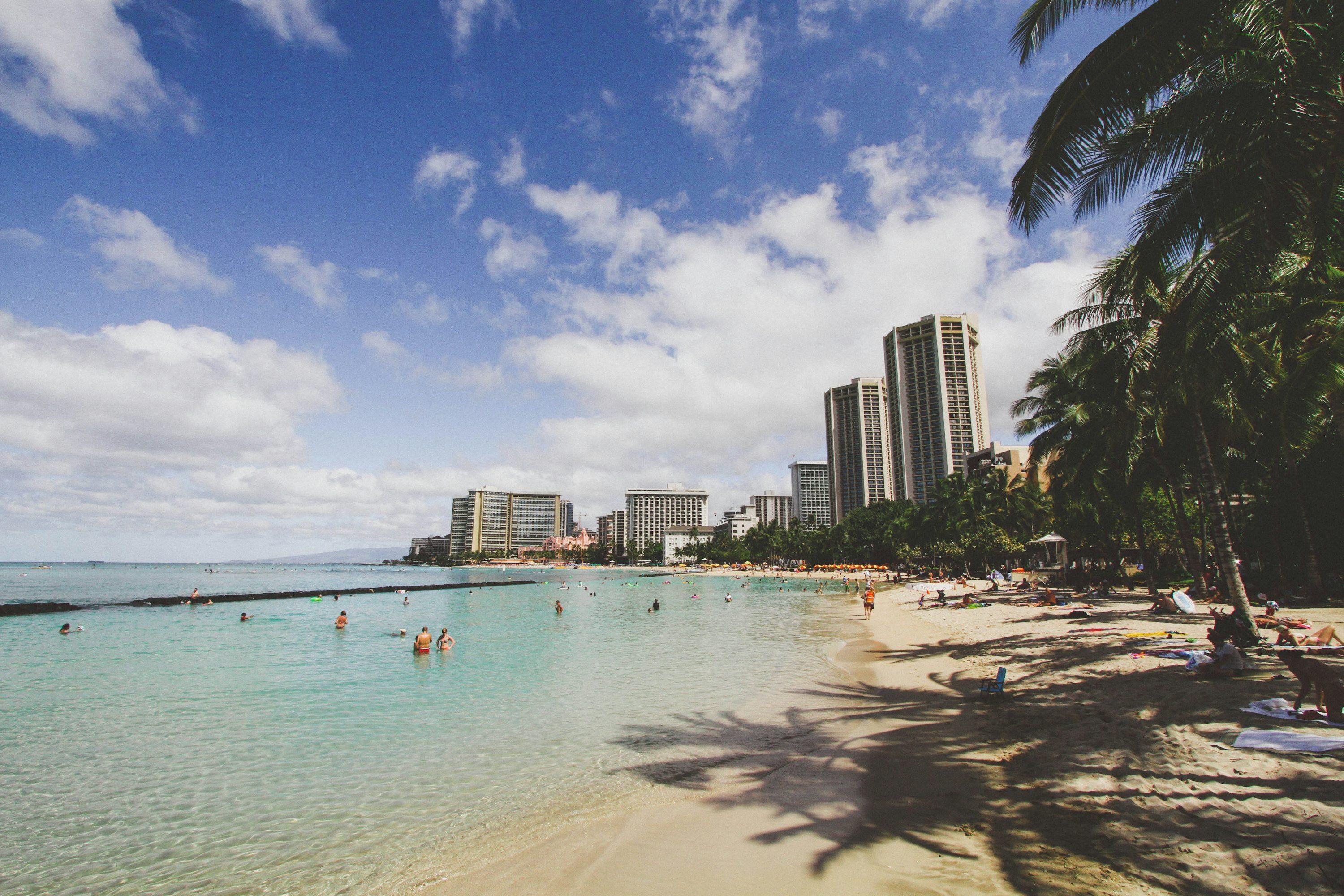
I. The Cost of Everyday Life Hits Harder Than Most People Expect
Most people know Hawaii is expensive.
What surprises them is how quickly those expenses show up in everyday life.
Groceries, utilities, dining out, vehicle registration, insurance, home maintenance, and basic household goods often cost substantially more than comparable expenses on the mainland.
A family relocating from Arizona, Texas, or the Midwest may find that their housing payment is only part of the equation. The cumulative impact of daily living expenses can be a much larger adjustment than expected.
The buyers who adapt best are those who create a realistic Hawaii budget before they move rather than after they arrive.
II. The Island Is Smaller Than It Looks
Many newcomers assume Oahu offers endless opportunities for exploration.
While the island is incredibly diverse, it is still an island approximately 44 miles long and 30 miles wide.
At first, everything feels new and exciting.
Over time, some residents discover that favorite beaches, hiking trails, restaurants, and neighborhoods become familiar much faster than expected.
This phenomenon is often referred to as "island fever."
Not everyone experiences it, but those who do are usually people who are accustomed to frequent road trips, spontaneous weekend travel, or easy access to multiple nearby cities.
The solution isn't avoiding Oahu. It's understanding that island living rewards people who embrace community, hobbies, outdoor activities, and local relationships rather than constant novelty.
III. The Distance From Family Feels Different Than You Imagine
One of the most emotional adjustments for mainland transplants is geographic isolation.
A flight to visit family isn't a quick weekend drive.
It's often a five-to-ten-hour travel day combined with significant airfare costs.
Many people don't fully appreciate what this means until birthdays, holidays, family emergencies, or important milestones occur.
For some families, this becomes the most difficult aspect of island life.
The people who handle it best typically establish a plan before moving. They budget for travel, schedule regular visits, and maintain strong routines for staying connected with loved ones.
IV. Hawaii Runs on "Island Time"
This phrase is often misunderstood.
It doesn't mean people are lazy.
It means Hawaii places a different value on urgency than many mainland markets.
Service providers, contractors, repair schedules, permitting timelines, deliveries, and appointments sometimes move at a pace that can frustrate newcomers accustomed to highly efficient metropolitan environments.
The adjustment isn't learning patience.
It's learning that relationships often matter more than speed.
People who build strong local connections generally find that life becomes easier over time.
V. Condo Living Is Different Here
Many relocation buyers choose condos because they provide convenience, security, amenities, and lower maintenance responsibilities.
However, Hawaii condos come with unique considerations.
Maintenance fees are often substantially higher than mainland buyers expect. Insurance costs have risen. Older buildings may face significant repair projects or special assessments. Reserve funding and building management quality vary considerably from property to property.
This is one reason why experienced local guidance matters.
A beautiful unit can still be a poor purchase if the building itself has financial or structural issues.
When evaluating condos on Oahu, buyers should pay as much attention to the building as they do to the individual unit.
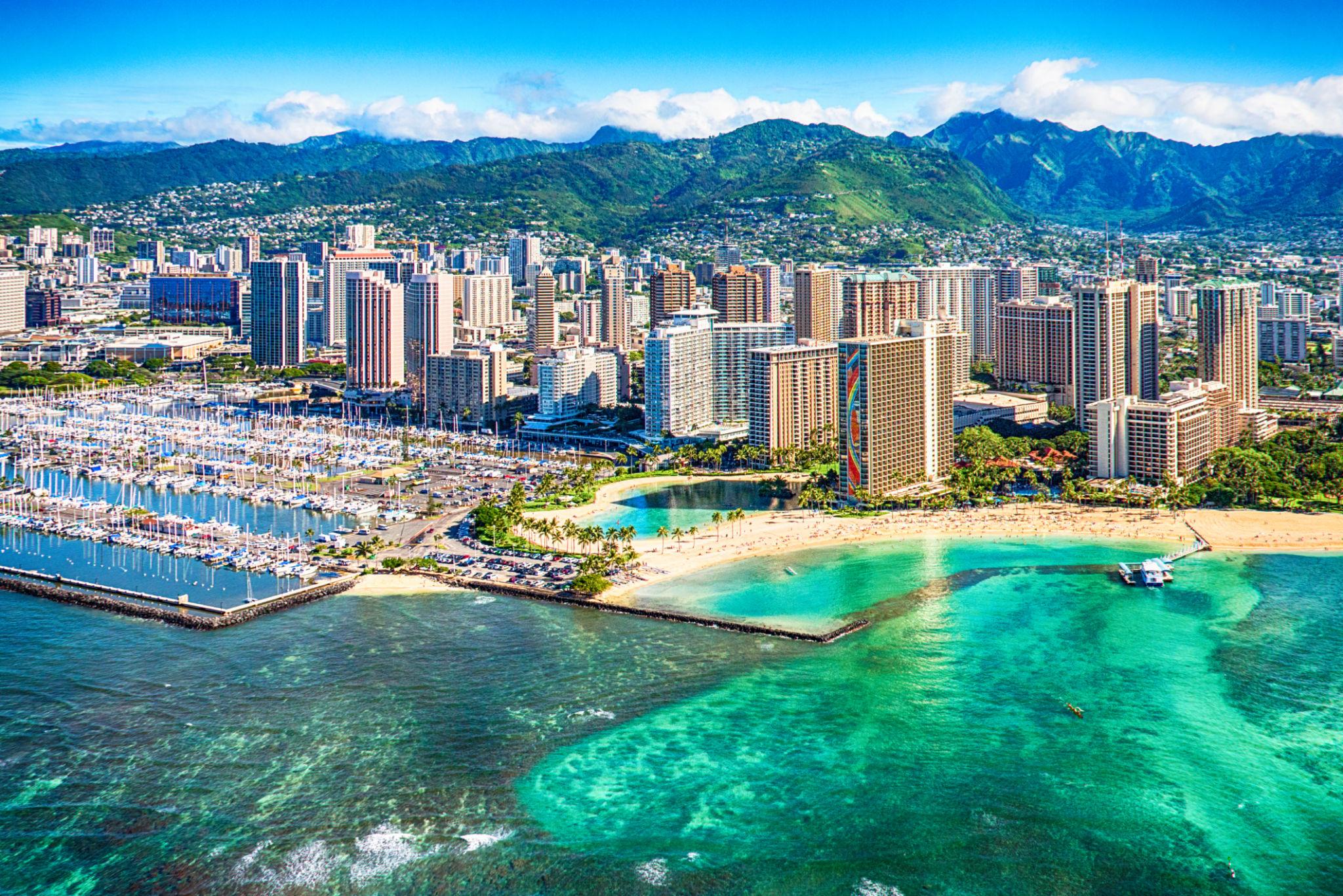
VI. Traffic Can Be Surprisingly Frustrating
Many mainland buyers assume island life means shorter commutes and less congestion.
In reality, Oahu's geography funnels a large percentage of residents through a relatively limited transportation network.
Traffic between East Honolulu, Downtown Honolulu, Kapolei, Pearl City, and other employment centers can be significant during peak hours.
The distance may appear short on a map, but travel times often tell a different story.
Choosing the right neighborhood isn't just about the home itself.
It's about understanding how that location fits your daily routine, work schedule, school needs, and lifestyle priorities.
VII. Hawaii Is Real Life, Not Vacation
This is perhaps the biggest adjustment of all.
When people visit Oahu on vacation, they experience the best version of the island.
They stay near the beach.
They eat at restaurants.
They spend their days exploring and relaxing.
Living here is different.
You still have work responsibilities.
You still have household chores.
You still deal with budgeting, maintenance, errands, and life's everyday stresses.
The difference is that those responsibilities happen in one of the most beautiful places on Earth.
The people who love Hawaii long-term are usually the ones who stop treating it like a vacation destination and start embracing it as home.
Final Thoughts
Despite these challenges, I wouldn't want to live anywhere else.
Oahu offers a lifestyle, natural beauty, cultural richness, and sense of community that is difficult to find anywhere in the world.
The goal isn't to scare people away from moving here.
The goal is to help them arrive with realistic expectations.
When buyers understand both the rewards and the realities of island living, they tend to make better decisions, experience less frustration, and build deeper connections to Hawaii over time.
If you're considering a move to Oahu and would like honest guidance about neighborhoods, condos, schools, commute patterns, or the realities of island life, I'd be happy to help.