
Cost of Living in Hawaii 2026: Real Numbers by Island
People ask me some version of the same question every week: what does it really cost to live here? After 20+ years selling homes on Oahu, I can tell you the honest answer is "more than you think in some places, less than you fear in others." Housing and electricity hit hardest. Property tax, car insurance and a few other line items are actually lower than most of the mainland.
This guide pulls the latest numbers I could find from primary sources: the Bureau of Labor Statistics, the Energy Information Administration, HUD, Hawaiian Electric, the state Department of Taxation, the Honolulu Board of REALTORS and others. Every figure has a date and a source, listed at the bottom. I update this page when new data comes out, and I note what changed.
Still deciding whether the move is worth it? Start with my post on why you should move to Hawaii, which covers the lifestyle side and the honest tradeoffs.
Last updated: October 21, 2026. This update added the October 2026 Hawaiian Electric bill, September 2026 home prices and CPI, HUD's FY2027 rents and the 2026 water and sewer rates.
Hawaii Cost of Living at a Glance
| Item | Hawaii | U.S. comparison | Source and date |
|---|---|---|---|
| Overall price level (all items) | 110.0 | 100.0 | BEA Regional Price Parities, 2024 data (released Feb. 19, 2026) |
| Oahu single-family median price | $1,110,000 | n/a | Honolulu Board of REALTORS, Sept. 2026 |
| Oahu condo median price | $523,000 | n/a | Honolulu Board of REALTORS, Sept. 2026 |
| 2-bedroom Fair Market Rent, urban Honolulu (includes utilities) | $2,542 | n/a | HUD FY2027, effective Oct. 1, 2026 |
| Residential electricity | 48.00 cents/kWh | 18.31 cents/kWh | EIA, July 2026 data |
| Typical Oahu electric bill, 500 kWh | $246.44 | n/a | Hawaiian Electric, Oct. 1, 2026 |
| Regular gasoline | $5.63/gal | $4.26/gal | AAA, Oct. 21, 2026 |
| Thrifty grocery budget, family of four | $1,573.60/mo | $1,024.00/mo | USDA Thrifty Food Plan, Sept. 2026 |
| Inflation, all items, past 12 months | +5.2% | n/a | BLS CPI, Urban Hawaii, Sept. 2026 |
| Living wage, 1 adult, Honolulu County | $64,134/yr before tax | n/a | MIT Living Wage Calculator, updated Feb. 15, 2026 |
Why you'll see different "cost of living index" numbers
You will see Hawaii described as anywhere from about 10% to more than 80% more expensive than the U.S. average. Both can be "right," because they measure different things.
The federal Bureau of Economic Analysis puts Hawaii's overall price level at 110.0 against a national 100 for 2024, second only to California's 110.7. That index covers everything people actually spend money on, including rents. Commercial indexes that other sites quote, often in the 180s for Honolulu, price a fixed basket that leans heavily on buying a newer, larger home, so housing pulls the total way up. I could not verify those commercial figures against the publisher, so I use the BEA number as the baseline and the line-by-line data below for everything else.
The BLS adds a caution of its own: its Consumer Price Index for Urban Hawaii shows how fast prices are changing here, not how high they are compared with another city.
Housing: Home Prices and Rents by Island
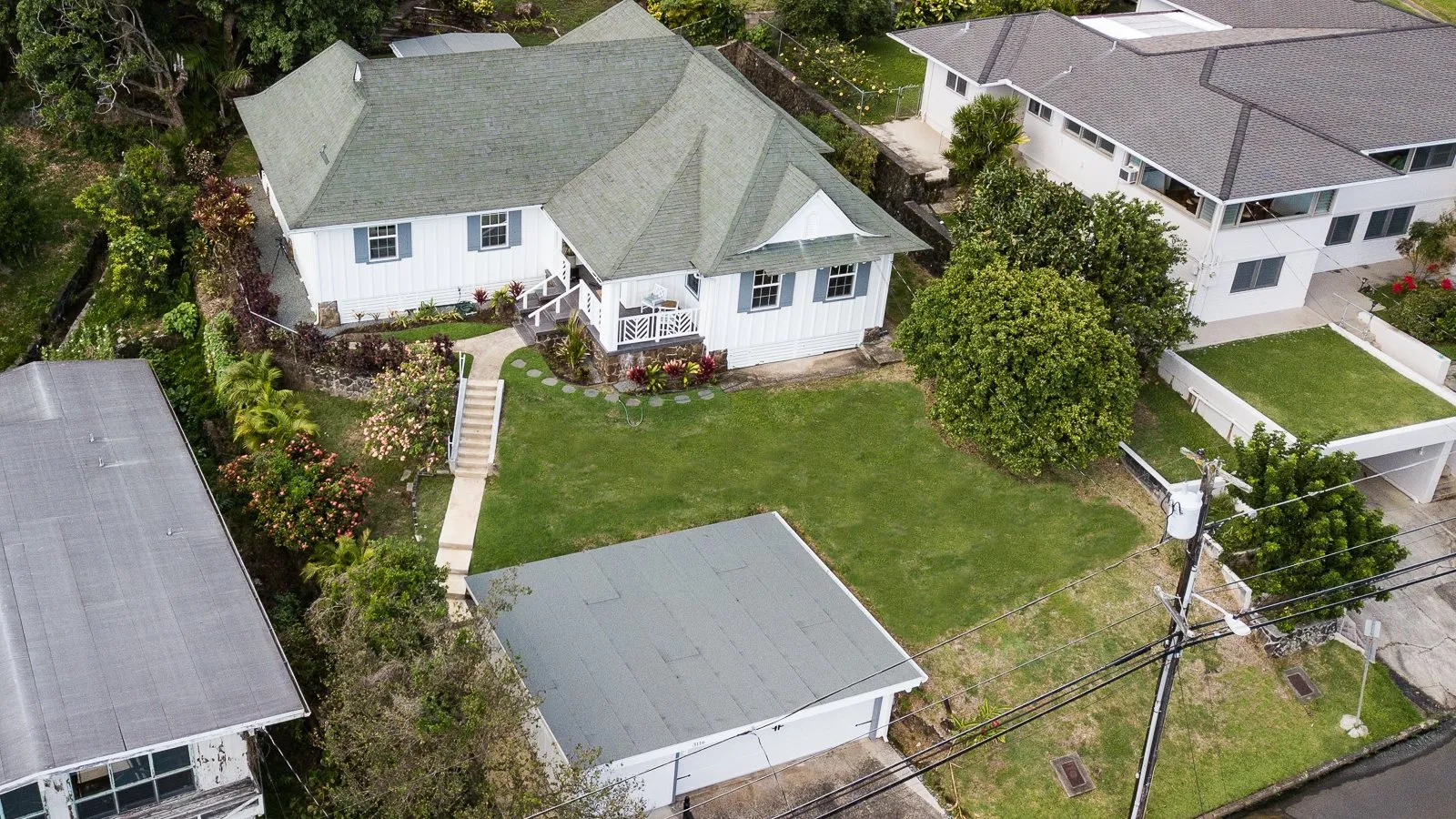
Housing is the biggest line in almost every Hawaii budget. In the BLS Consumer Expenditure Survey for 2023-24, housing took 36.9% of the average Honolulu household's spending, compared with 33.2% nationally. Honolulu households averaged $31,922 a year on housing.
Median sales prices, September 2026
| County | Single-family, Sept. 2026 | Single-family, year to date | Condo, Sept. 2026 | Condo, year to date |
|---|---|---|---|---|
| Oahu (Honolulu) | $1,110,000 | $1,180,000 | $523,000 | $515,000 |
| Maui | $1,150,000 | $1,219,000 | $660,000 | $655,000 |
| Kauai | $1,490,000 | $1,300,000 | $726,500 | $845,000 |
| Hawaii Island | $499,000 | $555,000 | $604,500 | $625,000 |
| Statewide | $1,027,000 | $1,037,000 | n/a | $537,000 |
Sources: Honolulu Board of REALTORS (HiCentral MLS data) and Hawaii REALTORS statewide report, September 2026. Monthly medians on the neighbor islands move around a lot because fewer homes sell, so I give more weight to the year-to-date column there.
On Oahu, the single-family median was down 3.9% from September 2025 and the condo median was up 2.8%. Single-family homes sold in a median of 16 days, while condos took 41. There were 3.2 months of single-family inventory and 7.0 months of condo inventory. In plain terms, condo buyers have more choice and more room to negotiate right now than single-family buyers do.
Rents by island
For rents I use HUD's Fair Market Rents. They are set at the 40th percentile of what renters actually pay, and they include utilities, so they run a little below what you'll see on a brand-new listing. They are also the official figures housing programs use, which makes them a consistent way to compare islands.
| Area | Studio | 1 BR | 2 BR | 3 BR | 4 BR |
|---|---|---|---|---|---|
| Urban Honolulu (Oahu) | $1,836 | $1,951 | $2,542 | $3,520 | $4,249 |
| Maui (Kahului-Wailuku-Lahaina) | $1,850 | $2,030 | $2,656 | $3,351 | $4,143 |
| Kauai | $1,599 | $1,609 | $2,105 | $2,588 | $2,952 |
| Hawaii Island | $1,605 | $1,615 | $2,081 | $2,620 | $2,910 |
Source: HUD FY2027 Fair Market Rents, effective October 1, 2026. For comparison, HUD's FY2026 2-bedroom figure was $2,642 for Honolulu, so the official benchmark actually dipped this year. The BLS tells a different story for existing leases: rent of primary residence in Urban Hawaii rose 5.4% in the 12 months through September 2026. Both can be true. New-lease asking rents have flattened while many existing tenants are still seeing increases at renewal.
Property tax by class
Here is one place Hawaii is cheaper than most of the country. Honolulu's rates for the July 1, 2026 to June 30, 2027 tax year, per $1,000 of net taxable value, are:
| Class | Rate per $1,000 |
|---|---|
| Residential (owner-occupied with home exemption) | $3.50 |
| Residential A, first $1,000,000 | $4.00 |
| Residential A, value above $1,000,000 | $11.40 |
| Bed and breakfast home | $6.50 |
| Transient vacation unit, first $800,000 | $9.00 |
| Transient vacation unit, value above $800,000 | $11.50 |
| Commercial and industrial | $12.40 |
| Hotel and resort | $13.90 |
| Agricultural and preservation | $5.70 |
| Vacant agricultural | $8.50 |
Source: Honolulu City Council Resolution 26-62, adopted June 3, 2026. Residential A generally covers homes without a home exemption, such as many rentals and second homes. The city's own example: a $1.6 million home with the $120,000 home exemption owes $5,180 a year at the Residential rate, and the same home in Residential A owes $10,840.
For a home at Oahu's September median of $1,110,000, an owner-occupant would pay about $3,465 a year ($1,110,000 minus $120,000, times $3.50 per $1,000), assuming the assessment matches the price. That works out to roughly $289 a month. Claims for the home exemption are due September 30, appeals run December 15 to January 15, and payments are due August 20 and February 20. Maui, Kauai and Hawaii counties set their own rates and classes. I break those down in my post on Hawaii's 2026-27 property tax rates, and I always confirm with the county before a client relies on a number.
Condo and HOA fees (AOAO)
If you buy a condo here, the monthly maintenance fee to the association of apartment owners (AOAO) is a real part of your housing cost, and it varies more than almost anything else in this guide. I haven't found a primary source that publishes a reliable island-wide average, so I won't put one here. What I can tell you from reading budgets with clients:
- Fees often include building insurance, water and sewer, and sometimes basic cable or internet. Some older buildings include central air conditioning or hot water.
- Older high-rises facing big projects like plumbing, spalling repair or fire sprinkler retrofits may have higher fees or special assessments.
- The building's insurance renewal has been one of the biggest drivers of fee increases in recent years.
Before you write an offer, read the reserve study and the last two years of budgets and minutes. A low fee with thin reserves can cost you more later than a higher fee in a well-funded building.
Utilities: Electricity, Water, Sewer and Internet
Electricity
Hawaii has the most expensive residential electricity in the country. The EIA's July 2026 figure was 48.00 cents per kWh here, compared with 18.31 cents for the U.S. That's about 2.6 times the national average, and well above Alaska (28.83 cents) and California (33.61 cents). A year earlier, in July 2025, Hawaii was at 39.36 cents.
Why so high? Oahu still burns a lot of imported oil to make power, and Hawaiian Electric says fuel is roughly half of a typical bill. When oil prices jump, your bill follows within a month or two through the energy cost recovery charge.
Here is what that looks like on an actual Oahu bill. These are Hawaiian Electric's own "typical bill" figures for a residential customer:
| Effective date | 500 kWh per month | 600 kWh per month |
|---|---|---|
| October 1, 2025 | $194.54 | $231.33 |
| March 1, 2026 | $196.43 | $233.63 |
| May 1, 2026 | $256.27 | $305.42 |
| September 1, 2026 | $232.71 | $277.17 |
| October 1, 2026 | $246.44 | $293.65 |
Source: Hawaiian Electric energy cost recovery filing to the Hawaii PUC, September 28, 2026. The jump in spring 2026 came from fuel costs.
Rates also differ by island. Hawaiian Electric's 2025 average residential rates were 40.54 cents per kWh on Oahu, 41.58 on Maui, 45.81 on Hawaii Island, 48.48 on Molokai and 50.02 on Lanai. Kauai is served by a separate cooperative, KIUC, which sets its own rates. Those 2025 averages are lower than EIA's July 2026 figure because they cover a full year before this year's fuel spike.
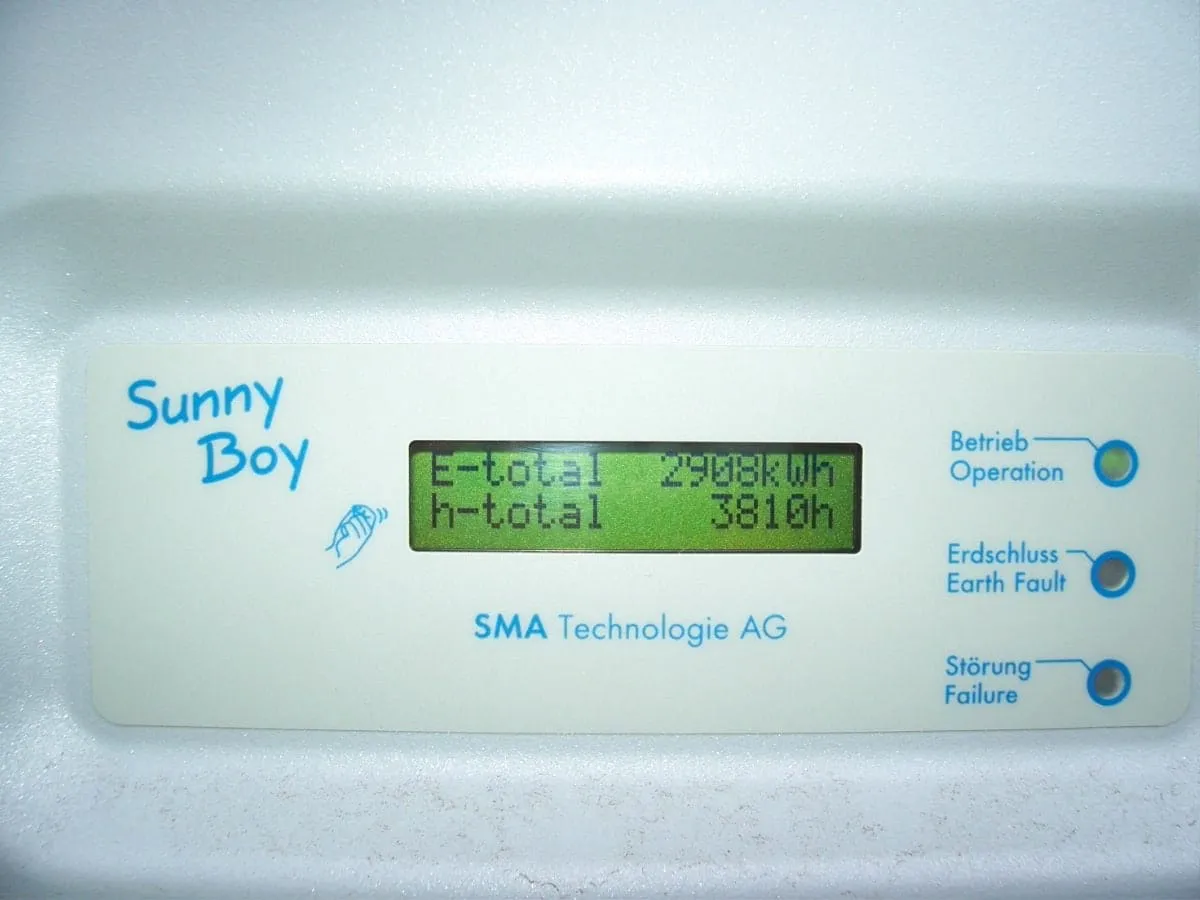
How much you use matters as much as the rate. A condo with trade winds and ceiling fans can stay near or below 500 kWh a month. A larger home running central air in Ewa or Kapolei in August can use two or three times that. Many single-family homes on Oahu have rooftop solar, and on a resale home that's often one of the most valuable features for your monthly budget. Ask whether the system is owned or leased, and get the last 12 months of electric bills.

Water and sewer on Oahu
Water and sewer on Oahu are billed together but set by two different agencies, and both went up on July 1, 2026. For a single-family home, the Board of Water Supply charges a monthly customer charge of $17.30 (standard 5/8" or 3/4" meter) plus tiered rates per 1,000 gallons: $4.92 for the first 2,000 gallons, $7.51 from 2,001 to 6,000, $8.98 from 6,001 to 30,000 and $15.06 above that.
Sewer is the bigger part of the bill. The city's Department of Environmental Services raised its single-family base charge to $48.27 and its consumption charge to $11.83 per 1,000 gallons on July 1, 2026, with more increases scheduled each July through 2031. Here's what that adds up to:
| Monthly use, single-family | Water (my math from BWS rates) | Sewer (city sample bill) | Combined |
|---|---|---|---|
| 6,000 gallons | $57.18 | $107.42 | about $165 |
| 9,000 gallons | $84.12 | $131.08 | about $215 |
Sources: Honolulu Board of Water Supply rate schedule FY2024-FY2029 (page updated Sept. 22, 2026) and Department of Environmental Services sewer fee schedule. Many condo AOAOs include water and sewer in the maintenance fee. The city's CARES program offers up to $240 a year in sewer bill credits for qualifying households; the application window closes October 31, 2026. Neighbor island water and sewer rates are set by each county.
Internet and phone
Home internet on Oahu comes mainly from Spectrum (cable) and Hawaiian Telcom (fiber in many neighborhoods), with fixed wireless and satellite options in more rural areas. I don't have a primary source for average plan prices, so I use MIT's estimate instead: it budgets $1,376 a year (about $115 a month) for internet and mobile service for one adult in Honolulu County, and $1,999 a year for two adults. If you work from home, check fiber availability at the exact address before you commit to a home or lease. It can vary street by street.
Groceries and Food
About the best apples-to-apples grocery comparison comes from the USDA. Its Thrifty Food Plan prices a nutritious, cook-everything-at-home diet for a family of four, and it publishes a separate Hawaii cost based on Honolulu food prices. For September 2026, that plan cost $1,573.60 a month in Hawaii compared with $1,024.00 for the U.S. average. That's about 54% more. (Anchorage was $1,296.90.)
That 54% lines up with what I hear from clients, and it's why you'll see "groceries cost about 50% more" in a lot of guides. It's also more than some older pages on my own site said, and I've corrected that here.
Prices are still rising faster than they did a couple of years ago. In the BLS CPI for Urban Hawaii, food at home was up 4.1% over the 12 months through September 2026, and fruits and vegetables were up 9.7%. Food away from home rose 3.5%.
In actual spending, the average Honolulu household spent $8,502 a year on food at home and $5,668 eating out in the 2023-24 BLS Consumer Expenditure Survey. Food took 16.4% of the household budget, compared with 12.9% nationally, one of the biggest gaps of any category.
How locals keep grocery bills down
- Costco and other warehouse stores for staples. The Oahu locations are busy for a reason.
- Farmers markets and roadside stands for local produce. Local bananas, papayas, greens and eggs can be competitive with the store, while imported berries and specialty items rarely are.
- Store loyalty apps and weekly ads. The big chains here run aggressive member pricing.
- Eating like a local. Rice, fish from the local fleet, plate lunches and home-grown herbs stretch a budget further than trying to recreate a mainland shopping list.
Gas, Cars and Getting Around
Gas prices
On October 21, 2026, AAA reported Hawaii's average for regular gas at $5.63 a gallon, compared with $4.26 nationally. A year ago Hawaii was at $4.48. Prices vary by island:
| Area | Regular, per gallon |
|---|---|
| Honolulu | $5.56 |
| Hilo | $5.68 |
| Wailuku-Kahului | $5.73 |
| Lihue | $5.87 |
| Hawaii average, diesel | $7.27 |
Source: AAA Gas Prices, October 21, 2026. The BLS shows gasoline prices in Urban Hawaii up 21.6% over the year through September 2026. The good news is that distances on Oahu are short. The bad news is that traffic on the H-1 means you'll burn some of that gas sitting still.
Registration and weight tax
Hawaii charges a state registration fee of $46 a year, plus a state vehicle weight tax: 1.75 cents per pound up to 4,000 pounds, 2.00 cents per pound up to 7,000 pounds, 2.25 cents per pound up to 10,000 pounds, and a flat $300 above that. Electric and other alternative-fuel vehicles pay an extra $50 surcharge. On a 3,500-pound sedan, the state weight tax is $61.25.
Your county adds its own registration fee and weight tax on top, and on Oahu the highway beautification fee went from $7 to $10 for transactions on or after June 1, 2026. The City and County of Honolulu has an online fee calculator that gives you the full number for a specific vehicle. You will also need a Hawaii safety inspection.
Shipping a car vs. buying here
I can't give you a reliable average for shipping a car from the West Coast, because quotes change with the season, the port and the carrier. Get two or three current quotes and compare them against what your car would sell for at home. Used car prices here are not as out of line as people expect: the BLS shows new and used vehicle prices in Urban Hawaii down 2.6% over the past year. I cover the logistics in my guide to moving your stuff to Hawaii.
Car insurance
Car insurance is one of the few things that costs less here. The National Association of Insurance Commissioners reports Hawaii's average auto insurance expenditure at $888.07 for 2023, compared with $1,281.92 countrywide. The average combined premium was $998.04 in Hawaii versus $1,438.60 nationally. Those are the most recent figures NAIC has published, and premiums have risen since, so treat them as a relative comparison rather than a quote.
Interisland travel
One cost national calculators miss: if you have family on another island or on the mainland, flights are part of your cost of living. Budget for them the way you'd budget for gas.
Healthcare and Health Insurance
Hawaii was the first state to require most employers to provide health insurance. Under the Prepaid Health Care Act, passed in 1974 and run by the state Department of Labor and Industrial Relations, employers must offer coverage to employees who work at least 20 hours a week and earn at least 86.67 times the state minimum wage in a month ($1,387 a month in 2026). Coverage starts after four consecutive weeks of employment.
The employer must pay at least half the premium for single coverage, and the employee's share can't be more than 1.5% of gross monthly wages or half the premium, whichever is less. That cap is a big reason Hawaii workers pay less out of pocket than workers elsewhere.
The federal survey data back that up. In the Medical Expenditure Panel Survey for 2025, the average employer-sponsored single plan in Hawaii cost $8,285 a year in total, and the employee's share averaged $857, or about 10%. Nationally the total was $9,025, and employees paid $1,817.
Medical prices themselves are rising quickly. The BLS shows medical care in Urban Hawaii up 6.1% over the year through September 2026. If you're self-employed, retired before Medicare or moving without a job lined up, price a plan on the marketplace before you move, because the Prepaid Health Care Act doesn't help you there.
Taxes
State income tax
Hawaii has a progressive income tax with 12 brackets from 1.40% to 11.00%. Several sites say the top rate starts around $200,000. That's not correct. For single filers, the 11% rate applies to taxable income above $325,000, and the brackets for joint filers are twice as wide.
| Single filer, taxable income | Rate |
|---|---|
| Up to $9,600 | 1.40% |
| $9,600 to $14,400 | 3.20% |
| $14,400 to $19,200 | 5.50% |
| $19,200 to $24,000 | 6.40% |
| $24,000 to $36,000 | 6.80% |
| $36,000 to $48,000 | 7.20% |
| $48,000 to $125,000 | 7.60% |
| $125,000 to $175,000 | 7.90% |
| $175,000 to $225,000 | 8.25% |
| $225,000 to $275,000 | 9.00% |
| $275,000 to $325,000 | 10.00% |
| Over $325,000 | 11.00% |
Source: Hawaii Department of Taxation Form N-11 instructions and 2026 withholding tables; HRS 235-51. These are the brackets in effect for 2025 and 2026. Under Act 46 (2024), the brackets widen again for tax years after 2026 and again after 2028, which lowers the tax on middle incomes.
The standard deduction also went up sharply. It was $4,400 for single filers and $8,800 for joint filers in 2025. For tax years beginning after December 31, 2025, it's $8,000 single, $16,000 joint and $12,000 for head of household, rising again in 2028 (HRS 235-2.4).
General excise tax (GET)
Hawaii doesn't have a sales tax. It has a general excise tax on businesses, which most businesses pass on to you. The state rate is 4%, and all four counties now add a 0.5% surcharge, so the rate on most retail sales and services is 4.5%. Honolulu has had its surcharge since 2007, Kauai since 2019, Hawaii County since 2020 and Maui since January 1, 2024. All four are set to run through 2030.
Because the tax is on the business's gross income, the amount passed on to you is usually a little higher, up to 4.712% on your receipt. Unlike most state sales taxes, GET applies to most services too, including rent paid to a landlord, medical services and professional fees, which adds up over a year.
Conveyance tax when you buy or sell
Hawaii charges a conveyance tax on real estate transfers. On Oahu it's customarily paid by the seller, but that is negotiable, so ask your agent how it's handled in your contract. The rate depends on the price and on whether the buyer is eligible for a county home exemption:
| Price | Buyer eligible for home exemption (per $100) | Buyer not eligible, condo or single-family (per $100) |
|---|---|---|
| Under $600,000 | $0.10 | $0.15 |
| $600,000 to $1 million | $0.20 | $0.25 |
| $1 million to $2 million | $0.30 | $0.40 |
| $2 million to $4 million | $0.50 | $0.60 |
| $4 million to $6 million | $0.70 | $0.85 |
| $6 million to $10 million | $0.90 | $1.10 |
| $10 million and up | $1.00 | $1.25 |
Source: HRS 247-2. On a $523,000 condo sold to an owner-occupant, that's $523. On a $1,110,000 single-family home, it's $3,330 with an eligible buyer and $4,440 without.
Transient accommodations tax
If you plan to rent a unit out short-term where it's legal, the state transient accommodations tax rose to 11% on January 1, 2026 (it was 10.25%). Counties add their own TAT on top, and GET applies as well. Oahu's short-term rental rules are strict, so talk to me before you buy anything with rental income in mind.
Childcare and Education
Childcare is one of the biggest costs for working parents here, and it's a line many cost-of-living guides skip. MIT's Living Wage Calculator estimates annual child care costs at:
| County | One child | Two children |
|---|---|---|
| Honolulu | $15,719 | $31,438 |
| Maui | $11,375 | $22,750 |
| Kauai | $11,031 | $22,062 |
| Hawaii County | $11,031 | $22,062 |
Source: MIT Living Wage Calculator, last updated February 15, 2026. Licensed infant care openings can be hard to find on Oahu, so start looking early.
Hawaii's public schools are run by a single statewide Department of Education, and there's no tuition. Private school tuition varies widely by school and grade, and I'd go straight to each school for current figures rather than trust an average.
For college, the University of Hawaii's 2026-27 resident undergraduate tuition and fees are $12,674 at Manoa, $8,342 at UH Hilo and $7,872 at UH West Oahu, with community colleges averaging $3,231. Non-resident undergraduates at Manoa pay $34,706. (Source: UH Institutional Research, October 2026.)
Homeowners, Hurricane and Flood Insurance
Insurance is the cost I see surprise buyers most often lately, especially in condos. I'm keeping this section qualitative because I couldn't find a current, island-level average premium from a primary source that I'd stand behind.
- Homeowners: A standard policy covers fire, theft and liability. Get a quote during your inspection period, not after closing, because older roofs, wiring or plumbing can change the price or the availability.
- Hurricane: Many standard homeowners policies in Hawaii exclude hurricane damage, so hurricane coverage is often written as a separate policy or an endorsement with its own deductible. Read the deductible carefully. It's often a percentage of the dwelling coverage, not a flat dollar amount.
- Flood: Flood isn't covered by a standard homeowners policy. If the home is in a FEMA special flood hazard area and you have a federally backed mortgage, flood insurance is required. Even outside those zones, it can be worth pricing. National Flood Insurance Program policies typically have a 30-day waiting period, so don't leave it until a storm is coming.
- Condos: The AOAO's master policy usually covers the building structure and is paid through your maintenance fee. You'll still want your own HO-6 policy for the interior, your belongings and liability, and to cover your share of the master policy deductible.
Sample Monthly Budgets
These are examples, not predictions. I built them from the official figures above so you can see how the pieces add up. Your numbers will depend on where you live, how much you drive and how much air conditioning you run. They're all for Oahu and are before income taxes and savings.
Example 1: One adult renting a 1-bedroom in urban Honolulu
Assumptions: rent at HUD's FY2027 1-bedroom Fair Market Rent, which includes utilities; food, transportation, health care, internet and phone, and other necessities from MIT's Honolulu County estimates for one adult with employer health coverage.
| Item | Monthly | Basis |
|---|---|---|
| Rent including utilities | $1,951 | HUD FY2027 FMR, 1 BR |
| Food | $434 | MIT, $5,211/yr |
| Transportation | $841 | MIT, $10,091/yr |
| Health care | $197 | MIT, $2,367/yr |
| Internet and mobile | $115 | MIT, $1,376/yr |
| Other necessities and civic | $739 | MIT, $8,868/yr |
| Total | $4,277 | About $51,300 a year before taxes |
MIT puts the pre-tax income one adult needs in Honolulu County at $64,134 a year, which includes about $13,600 in taxes. My example comes out about $770 a year higher than MIT's after-tax figure because HUD's new rent benchmark is higher than the one MIT used.
Example 2: Two working adults and two children renting a 2-bedroom
Assumptions: rent at HUD's FY2027 2-bedroom Fair Market Rent (MIT assumes a 2-bedroom for this household; a 3-bedroom at FMR adds $978 a month); food at the USDA Thrifty Food Plan cost for Hawaii, which assumes every meal is cooked at home; child care, transportation, health care, internet and other costs from MIT's Honolulu County estimates.
| Item | Monthly | Basis |
|---|---|---|
| Rent including utilities | $2,542 | HUD FY2027 FMR, 2 BR |
| Food | $1,574 | USDA Thrifty Food Plan, Hawaii, Sept. 2026 |
| Child care | $2,620 | MIT, $31,438/yr |
| Transportation | $1,411 | MIT, $16,926/yr |
| Health care | $832 | MIT, $9,989/yr |
| Internet and mobile | $167 | MIT, $1,999/yr |
| Other necessities and civic | $1,719 | MIT, $20,631/yr |
| Total | $10,865 | About $130,400 a year before taxes |
MIT's own estimate for this household in Honolulu County is $160,542 a year before taxes. Child care is the biggest swing factor. Once children are in public school, that line drops a lot.
Example 3: Buying a median-priced condo or single-family home on Oahu
Assumptions: September 2026 Oahu medians; 20% down; a 30-year fixed rate of 7.40% (Freddie Mac's national average for October 15, 2026); owner-occupant property tax with the home exemption, assuming the assessment equals the price. Insurance and AOAO fees aren't included because they vary too much by property to average honestly.
| Item | Condo at $523,000 | Single-family at $1,110,000 |
|---|---|---|
| Down payment (20%) | $104,600 | $222,000 |
| Loan amount | $418,400 | $888,000 |
| Principal and interest | $2,897/mo | $6,148/mo |
| Property tax | $118/mo | $289/mo |
| Subtotal before insurance and AOAO fee | $3,015/mo | $6,437/mo |
| Plus | AOAO fee (often includes building insurance and water/sewer), HO-6 policy, electricity | Homeowners, hurricane and possibly flood insurance; electricity; water and sewer |
Your actual rate depends on your credit, loan type and down payment. If you're a first-time buyer, the City and County of Honolulu's down payment assistance program offers a zero-interest second mortgage of up to $40,000 that is forgiven over time as long as you live in the home. It's a loan with conditions, not free money, but it can make a real difference. VA buyers can often put zero down; see my relocation guide for more on getting started.
Cost of Living by Island
| Oahu | Maui | Kauai | Hawaii Island | |
|---|---|---|---|---|
| Single-family median, 2026 YTD | $1,180,000 | $1,219,000 | $1,300,000 | $555,000 |
| Condo median, 2026 YTD | $515,000 | $655,000 | $845,000 | $625,000 |
| 2 BR Fair Market Rent, FY2027 | $2,542 | $2,656 | $2,105 | $2,081 |
| Average residential electric rate, 2025 | 40.54 cents | 41.58 cents | KIUC (separate co-op) | 45.81 cents |
| Regular gas, Oct. 21, 2026 | $5.56 (Honolulu) | $5.73 (Wailuku-Kahului) | $5.87 (Lihue) | $5.68 (Hilo) |
| MIT living wage, 1 adult, before tax | $64,134 | $68,816 | $66,922 | $62,047 |
| MIT living wage, 2 working adults and 2 children, before tax | $160,542 | $155,806 | $149,290 | $140,767 |
Sources as listed in each section above. A few things stand out. Hawaii Island has by far the lowest single-family prices, but electricity costs more there and you'll likely drive more. Maui's Fair Market Rents for studios through 2-bedrooms are now the highest in the state, and its living wage tops Oahu's for a single adult. Oahu has the most jobs and the lowest condo prices of the four counties, which is part of why so many people start here. For a fuller side-by-side on lifestyle, geography and housing types, see my guide to choosing which Hawaiian island to live on.
Ways to Save on Living in Hawaii
- Look hard at solar. With electricity near 48 cents a kWh, an owned rooftop system on a resale home can cut a monthly bill dramatically. Check the age of the panels and inverter and whether there's a battery.
- Choose location for your commute. Living near work, a bus line or the Skyline rail stations can save you a car payment, gas and parking.
- File your home exemption. On Oahu it lowers your taxable value by $120,000 and keeps you in the lower residential rate. Claims are due September 30.
- Read the AOAO budget before you buy a condo. A well-funded building with a slightly higher fee can save you from a large special assessment later.
- Use trade winds instead of A/C. Units with cross-ventilation and ceiling fans cost far less to cool. Ask about it when you tour.
- Shop like a local. Warehouse stores for staples, farmers markets for local produce and member pricing at the big chains.
- Ship only what's worth shipping. Furniture and appliances are expensive to send. Price a container against selling and buying here.
- Get insurance quotes early. Do it during your inspection period so there are no surprises at closing.
- Look into first-time buyer programs. Honolulu's down payment assistance loan and other programs can lower your upfront cost. They're loans with forgiveness conditions, so read the terms.
- Keep a travel line in your budget. Flights to see family are a real recurring cost here, and booking early helps.
Frequently Asked Questions
How much do you need to make to live comfortably in Hawaii?
It depends on your household and island, so I start with MIT's living wage numbers. For one adult in Honolulu County, MIT estimates $64,134 a year before taxes just to cover basic needs. For two working adults with two children, it's $160,542. "Comfortable," with savings and travel, takes more than that. If you're buying, your mortgage payment will usually decide the number.
Is Hawaii more expensive than California?
Overall, they're close. BEA's 2024 price index puts California at 110.7 and Hawaii at 110.0. Hawaii is notably more expensive for electricity and groceries, while property tax and car insurance are lower here. Home prices on Oahu are high but comparable to many coastal California markets.
Which Hawaiian island is cheapest to live on?
Hawaii Island has the lowest home prices by a wide margin, with a 2026 year-to-date single-family median of $555,000, and its rents are close to Kauai's as the lowest in the state. Electricity and driving costs run higher there, so I always tell people to run the full budget, not just the house price.
Why is electricity so expensive in Hawaii?
Most of our power still comes from imported oil, and fuel is roughly half of a typical Hawaiian Electric bill. When world oil prices rise, bills here follow within a month or two. The state is adding solar, wind and batteries, but for now rooftop solar is the best way I know to take control of that line in your budget.
Are property taxes really low in Hawaii?
Yes, for owner-occupants. Honolulu's residential rate is $3.50 per $1,000 of value after a $120,000 home exemption, so a home at Oahu's median price pays about $3,465 a year. Homes without the exemption are taxed at higher Residential A rates, and investment or vacation properties pay more.
Sources
- U.S. Bureau of Economic Analysis, Real Personal Consumption Expenditures and Real Personal Income by State, 2024 (Regional Price Parities), released February 19, 2026. https://www.bea.gov/sites/default/files/2026-02/rpp0226.pdf
- U.S. Bureau of Labor Statistics, Consumer Price Index, Urban Hawaii, September 2026, released October 14, 2026. https://www.bls.gov/regions/west/news-release/consumerpriceindex_honolulu.htm
- U.S. Bureau of Labor Statistics, Consumer Expenditures in the Honolulu Metropolitan Area, 2023-24, released January 16, 2026. https://www.bls.gov/regions/west/news-release/2026/consumerexpendtures_honolulu_20260116.htm
- Honolulu Board of REALTORS, Monthly Housing Statistics, September 2026 (HiCentral MLS data). https://www.hicentral.com/
- Hawaii REALTORS, statewide housing statistics, September 2026. https://www.hawaiirealtors.com/
- U.S. Department of Housing and Urban Development, FY2027 Fair Market Rents, effective October 1, 2026. https://www.huduser.gov/portal/datasets/fmr.html
- City and County of Honolulu, Resolution 26-62, real property tax rates for July 1, 2026 to June 30, 2027, adopted June 3, 2026; Real Property Assessment Division. https://realproperty.honolulu.gov/
- U.S. Energy Information Administration, Electric Power Monthly, Table 5.6.A, July 2026 data, released September 24, 2026. https://www.eia.gov/electricity/monthly/epm_table_grapher.php?t=epmt_5_6_a
- Hawaiian Electric, Energy Cost Recovery Factor filing for October 2026, filed September 28, 2026; average residential rates, 2025. https://www.hawaiianelectric.com/billing-and-payment/rates-and-regulations
- Honolulu Board of Water Supply, Rate Schedule FY2024 to FY2029 (page updated September 22, 2026). https://www.boardofwatersupply.com/customer-service/water-rates/rate-schedule-fy-2024-to-fy-2029/
- City and County of Honolulu Department of Environmental Services, Sewer Fee Rates. https://www.honolulu.gov/env/sewer-fee-rates/
- USDA Food and Nutrition Service, Thrifty Food Plan: U.S. Average and Alaska and Hawaii, September 2026, issued October 2026. https://www.fna.usda.gov/research/cnpp/usda-food-plans/cost-food-monthly-reports
- AAA Gas Prices, Hawaii, October 21, 2026. https://gasprices.aaa.com/?state=HI
- Hawaii Revised Statutes 249-31 and 249-33 (vehicle registration fee and weight tax); City and County of Honolulu Ordinance 25-37; Honolulu motor vehicle fee calculator. https://data.capitol.hawaii.gov/hrscurrent/
- National Association of Insurance Commissioners, 2022/2023 Auto Insurance Database Report, published 2025. https://content.naic.org/
- Hawaii Department of Labor and Industrial Relations, Prepaid Health Care Act and 2026 figures. https://labor.hawaii.gov/dcd/
- Agency for Healthcare Research and Quality, Medical Expenditure Panel Survey, Insurance Component, 2025, via KFF State Health Facts. https://www.kff.org/statedata/
- Hawaii Department of Taxation, Form N-11 instructions (2025), 2026 withholding tables (Booklet A), county surcharge on GET, Announcement 2025-03 (TAT). https://tax.hawaii.gov/
- Hawaii Revised Statutes 235-51, 235-2.4 and 247-2. https://data.capitol.hawaii.gov/hrscurrent/
- MIT Living Wage Calculator, Hawaii counties, last updated February 15, 2026. https://livingwage.mit.edu/states/15
- University of Hawaii Institutional Research, Analysis, and Planning Office, tuition and fees, 2026-27. https://www.hawaii.edu/iro/
- Freddie Mac Primary Mortgage Market Survey, October 15, 2026. https://www.freddiemac.com/pmms
Talk With Me About Your Numbers
Every move I help with starts with a budget, and I'm happy to walk through yours, whether you're renting first, buying on Oahu or comparing islands. You can send me a message here or call me at 808.201.3577.
This guide is educational content, not personalized financial, tax, legal or insurance advice. Figures come from the sources listed and can change. Please check with a tax professional, lender or insurance agent before making decisions based on them.
Tony Kawaguchi, REALTOR, license RS-66616, The Kawaguchi Group, eXp Realty (RB-21841). 20+ years and $1B+ in Oahu sales, leading a team of 20+ agents.