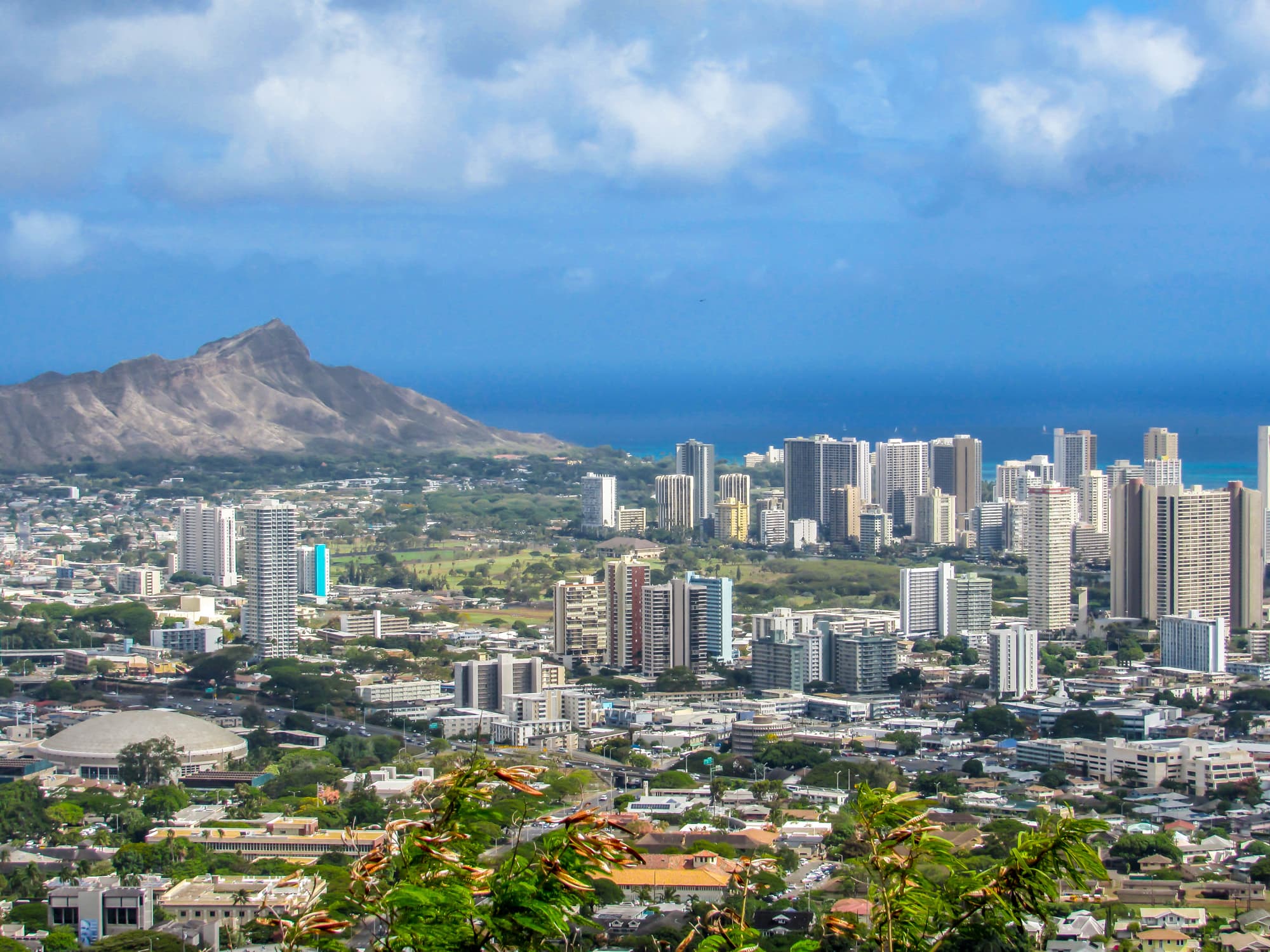
If you think you'd be happier in Hawaii, why aren't you here yet?
Maybe you live somewhere cold and gray. Maybe you spend your mornings in traffic with a few million other people, all in a hurry to get somewhere they don't want to be. And yet you stay, because that's where the job is, or the family is, or because moving 2,000-plus miles into the Pacific sounds like something other people do.
Nobody is making you stay. You can pick where you live. After 20+ years helping people buy and sell on Oahu, I've watched plenty of people make this move, and I've watched a few talk themselves out of it for a decade. This post is my honest case for Hawaii: the real reasons it's worth it, the real tradeoffs, and a practical plan if you decide to go for it. I'm biased, obviously. I'll also tell you where the hard parts are.
Why I care about this question
I used to drive Los Angeles freeways, packed in with everyone else. Now I see the ocean every day and get in the water a few times a week. I'm happier, and I don't think that's a coincidence.
This year I also had a heart attack that nearly killed me. By the grace of God and the skill of a great heart surgeon, I'm still here. It changed how I think about time. Most of us spend our best years chasing the next raise, the next title, the next square foot of house, and then wonder why we feel burned out. You're not guaranteed another day, so if Hawaii is where you'd rather spend them, it's worth taking the idea seriously instead of parking it for "someday."
So let's take it seriously. Here's what living here actually gives you, backed by data rather than postcards.
The weather really is that good, and it barely changes
Here's what NOAA's official 1991-2020 climate normals show for Honolulu's airport station. The average daily high is 80.5°F in January and peaks at 88.8°F in August. Overnight lows average 66.8°F in January and 75.6°F in August. The station averages zero days at or below freezing in a normal year. Summer here runs a little warmer than people expect, and the warmest months are actually August and September, not June and July.
The National Weather Service's Honolulu office explains why it stays so steady. Hawaii is more than 2,000 miles from the nearest continent, so any air that reaches us has been moderated by a lot of ocean. Day length only swings from about 11 hours in winter to about 13 1/2 in summer. Compare that with roughly 8 1/2 to 15 1/2 hours in Maine. That means no dark 4:30 PM winter sunsets.
The ocean around the islands stays warm too. The NWS puts nearshore sea surface temperatures at about 73 or 74 degrees in late winter and near 80 in early fall. That's a range of only about six degrees all year.
One thing the brochures skip: weather here depends far more on where you live than on the season. Mountains pull rain out of the trade winds, so windward sides and valleys are green and wet, while leeward sides are sunny and dry. Two homes 20 minutes apart can feel like different climates. When I show homes, I talk about rainfall the way mainland agents talk about school bus routes. It's a real part of daily life.
The ocean and the mountains are your weekend
This is the reason most people actually move. On Oahu you can surf, snorkel, paddle, or just float before work, and hike a ridge after. Diamond Head, Koko Head, Manoa Falls and the Lanikai Pillbox trail are all close to town. You don't plan a vacation to be outside here. It's just Tuesday.
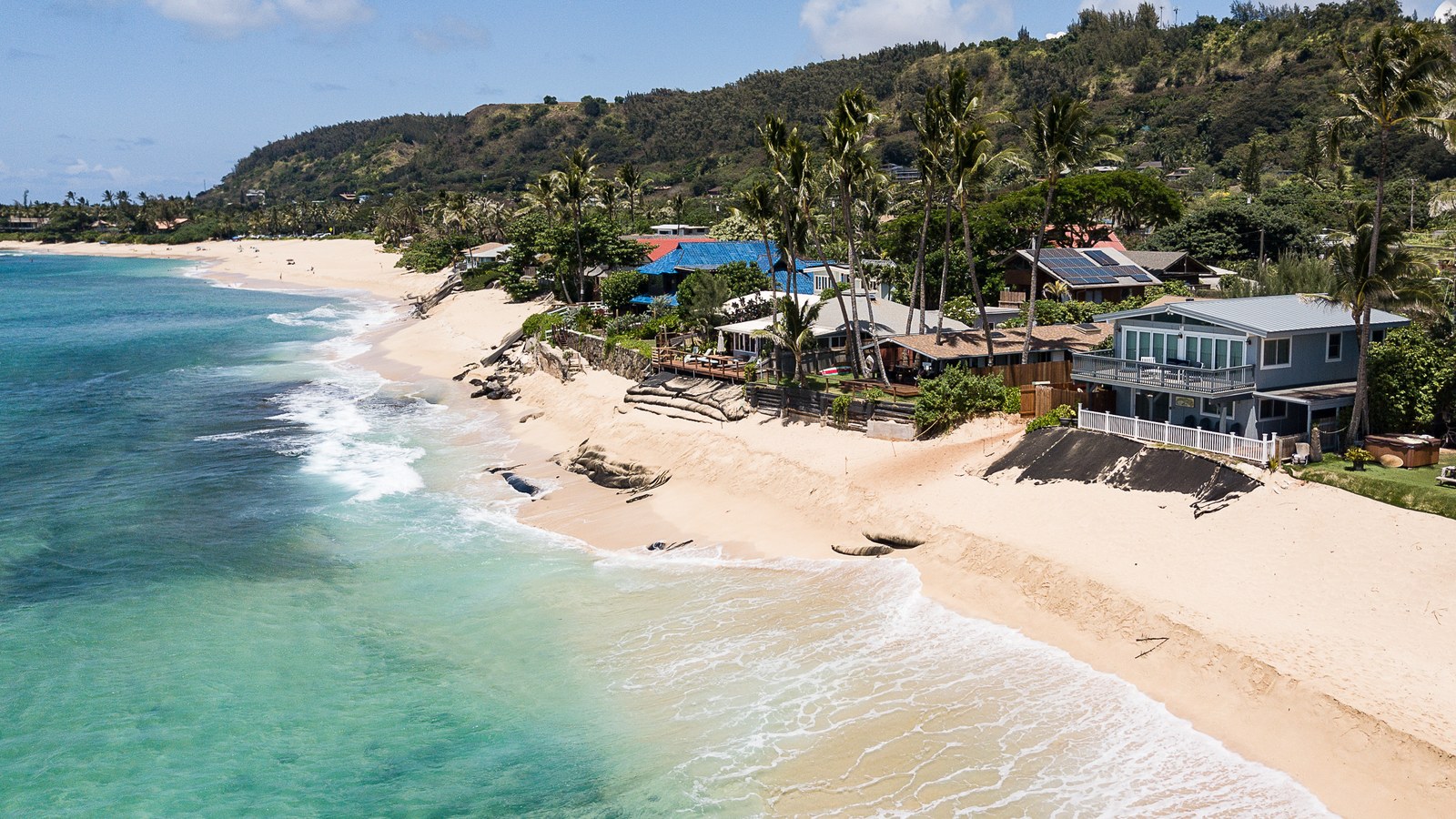
A few things that still amaze me:
- Whale season in your backyard. NOAA's Hawaiian Islands Humpback Whale National Marine Sanctuary says thousands of humpbacks visit from November through May, with the usual peak from January through March. In winter you can often see them blowing from shore.
- Two national parks. Haleakala on Maui and Hawaii Volcanoes on the Big Island are a short interisland flight from Honolulu.
- Every kind of terrain. According to the NWS, Hawaii's mountains run from sea level to nearly 14,000 feet, which packs tropical beaches and sub-Arctic summits into one state.
A word of respect, though. The ocean here is powerful. Winter surf on north-facing shores can be dangerous, and currents can surprise strong swimmers. Learn the beaches from lifeguards and locals, and when in doubt, don't go out.
Aloha is more than a greeting. It's written into state law.
People say "aloha" like it's a marketing word. In Hawaii it's actually in the statutes. Hawaii Revised Statutes section 5-7.5 defines the "Aloha Spirit" and lists five traits: akahai (kindness), lokahi (unity), oluolu (agreeableness), haahaa (humility) and ahonui (patience). The law even allows lawmakers, the governor and judges to "give consideration to the Aloha Spirit" in their work. I don't know of another state that has written down how people should treat each other.
Hawaiian culture is living, not historical. The State Constitution makes both English and Hawaiian official languages. You'll hear Hawaiian in place names, at school events, in music and at work. Food is a daily part of the culture: poke counters, plate lunch, farmers markets, and fruit that tastes the way fruit is supposed to.
My advice to anyone moving here: lead with humility. Learn to say the place names properly, follow local etiquette at beaches and trailheads, and remember that you're joining a community that was here long before you. People notice, and it goes a long way.
Hawaii has the longest life expectancy in the country
This one surprises people. In the CDC's most recent state life tables (for 2022, published in 2025), Hawaii ranked No. 1 of all 50 states and D.C. for life expectancy at birth, at 80.0 years. Hawaii also ranked first for life expectancy at age 65, at 20.5 more years.
I'm careful with this number. The CDC doesn't say why Hawaii ranks first, and a state average says nothing about any one person's health. What I can tell you is what daily life here pushes you toward: more walking, more time outside, more time in the water, and fewer months indoors. For me, after this year, that matters a lot.
Work: a tight job market, and the remote-work question
Hawaii's job market has been tight. The state's September 2026 seasonally adjusted unemployment rate was 2.8%, compared with 4.2% nationally, according to DBEDT's October 19, 2026 release. A low rate doesn't mean every field is hiring, though. Pay in many industries hasn't kept up with housing costs, so line up work or a remote arrangement before you move rather than after.
If you work remotely, a few things are good to know up front:
- Time zone. Hawaii doesn't observe daylight saving time, according to the U.S. Department of Transportation. You're two hours behind the West Coast for part of the year and three hours behind for the rest, and five or six hours behind the East Coast. Early East Coast meetings mean very early mornings here.
- State income tax. Once you're a Hawaii resident, Hawaii taxes your income from all sources, including a paycheck from a mainland employer. That's from the Department of Taxation's own guidance on part-year residents. Rates are graduated and go up to 11% at the top. Talk to a Hawaii tax professional about your situation before you move, especially about the year you switch residency.
- Internet. Before you commit to a specific house, confirm what broadband is actually available at that address.
If you're moving here on military orders, the process is different. I keep a separate guide for PCS moves and VA buyers on Oahu.
Picking an island: four very different places
"Moving to Hawaii" really means picking an island, and then a side of that island. Each island has its own economy, airport, pace and price level, and the choice shapes everything else. I go deep on this in my guide to which Hawaiian island to live on, but here's the short version.
Oahu
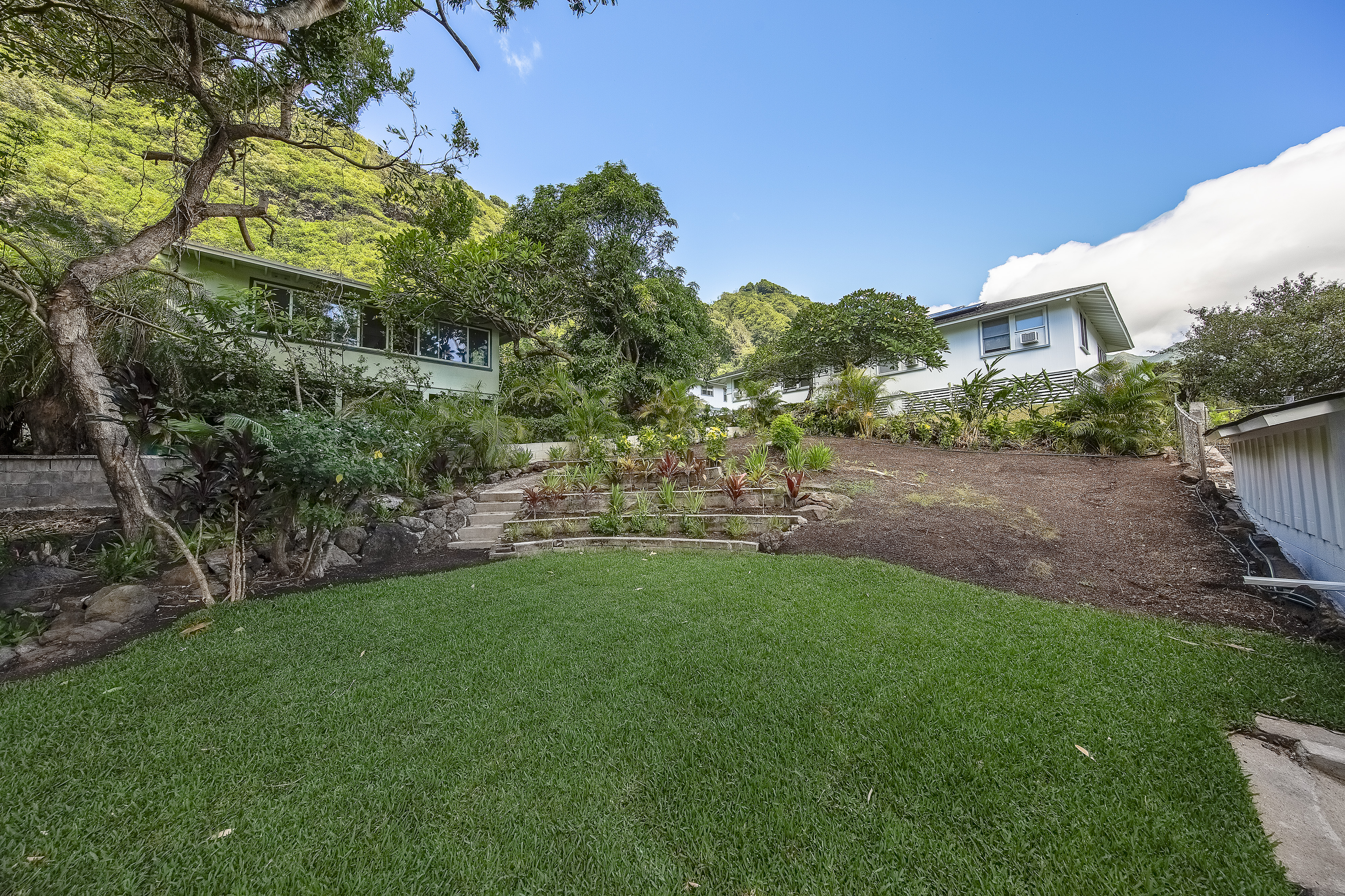
Oahu is home to Honolulu, the state capital, and Daniel K. Inouye International Airport. In my experience it has the major hospitals, the broadest range of jobs and the widest range of housing, from high-rise condos in town to houses on the windward side and the North Shore. You'll have more of everything, including traffic. Neighborhoods vary a lot in rainfall, commute time and price, so where you are on the island matters as much as being on Oahu.
Maui
Maui runs heavily on the visitor economy, with dry, sunny leeward coasts and a cooler upcountry on the slopes of Haleakala. It's also still rebuilding Lahaina after the August 2023 wildfire, and Maui County keeps a public recovery dashboard. If you're considering West Maui, look at the current permitting and rebuilding status for any area you're looking at.
Hawaii Island (the Big Island)
The Big Island has the most land and, on average, the lowest home prices in the state. Through September 2026, the year-to-date median single-family price was about $555,000 there, compared with about $1.18 million on Oahu, according to Hawaii REALTORS and the Honolulu Board of REALTORS. It also has active volcanoes. The USGS maps the island into lava-flow hazard zones 1 through 9, and the zone affects both risk and insurance. I'd never let anyone buy there without checking the zone first.
Kauai
Kauai is lush and quieter, with a smaller housing market. Fewer homes means fewer choices and slower resales. Getting around can take longer than the map suggests.
There are a few schools of thought on choosing. Some people pick the island first and the job second. Others go where the job is, which usually means Oahu, and treat the other islands as weekend trips. Many start on Oahu because it's the easiest landing, then move once they know what they like. All of these can work. What doesn't work is choosing from vacation memories. A week at a resort tells you very little about living somewhere on a Tuesday in February.
The honest tradeoffs
I'd be doing you a disservice if I only sold the sunshine. Here's what people struggle with most.
It's expensive, though not in every category
Hawaii is one of the most expensive places in the country to live. The federal Bureau of Economic Analysis puts Hawaii's overall price level at 110.0 against a U.S. average of 100. Among the states, only California is higher. Housing and electricity hit hardest. Oahu's September 2026 median price was $1,110,000 for single-family homes and $523,000 for condos, according to the Honolulu Board of REALTORS. In July 2026, residential electricity averaged 48.00 cents per kWh here, compared with 18.31 cents nationally, according to the EIA. On the other side of the ledger, Honolulu's property tax rates are low by national standards. I break them down in my post on Hawaii's 2026-27 property tax rates.
I put every line item into one place: rents by island, utilities, groceries, gas, taxes, insurance, childcare and sample budgets, all dated and sourced. Read my full Hawaii cost of living guide before you set a budget. It's the most useful thing I can give you at this stage.
The people who make Hawaii work usually simplify. They live smaller, because a condo or modest house feels big when the beach is your living room. They cut spending on things they don't use, and they spend more on experiences than on stuff, which is easy here because hiking, swimming and sunsets cost nothing. Some start with a rental, or even a room, and work up from there. You trade some square footage for a better daily life.
Distance
You're more than 2,000 miles from the nearest continent. Visiting family means a long flight, and shipping a car or furniture takes time and money. Online orders can take longer, and some sellers don't ship here at all. And yes, some people get "island fever."
My suggestion for island fever: once you're settled, plan a trip back to the mainland after your first several months here. Something happens when you go "home" as a visitor. A lot of people find it doesn't feel like home anymore, and when the plane lands back in Honolulu, this does. I've watched that happen with clients again and again.
Housing supply is tight
Hawaii doesn't build enough homes. DBEDT's housing demand study estimates the state needs about 32,970 additional housing units from 2025 to 2035, or about 3,297 a year, and that figure leaves out pent-up demand. In practice, good homes at sensible prices get competition, and condo buyers often have more choices than house buyers. It also pays to know what you're buying. Leasehold land, older condo buildings facing big repairs and permitting history all matter more here than on the mainland. My post on leasehold vs. fee simple is a good place to start.
Hurricanes, insurance and natural hazards
Central Pacific hurricane season runs June 1 to November 30. For 2026, NOAA predicted a 70% chance of an above-normal season, driven by El Nino, and NOAA notes that the outlook is not a landfall forecast. Direct hits are rare, but you should plan for them anyway. That means a hurricane kit, knowing your evacuation zone, and understanding your coverage. Hurricane coverage here is its own policy, and the state Insurance Division notes that lenders require it when there's a mortgage. Hurricane insurance doesn't cover flood damage, so flood coverage is a separate policy too. Building insurance renewals have also been a major driver of condo fee increases. My post on Oahu's new flood maps explains how the new zones affect buyers. Add flood zones on the coast and lava zones on the Big Island, and insurance becomes something to price before you write an offer, not after. The cost guide covers insurance in more detail.
How to make the move: a practical checklist
If you've read this far and you're still excited, good. Here's the order I'd tackle things in.
- Visit like a resident, not a tourist. Stay in the neighborhood you're considering, outside peak season if you can. Drive the commute at rush hour. Shop at the grocery store you'd actually use, and go back on a rainy day.
- Build a real budget. Use the cost of living guide to estimate housing, electricity, groceries and taxes for the island you picked. Then add a cushion for the first year.
- Lock down income. Get the job offer, transfer or remote-work approval in writing before you move. If you'll be remote, confirm your employer is set up for a Hawaii-based employee.
- Decide whether to rent first or buy. Many people rent for a few months to learn the island before they buy. If you're buying, get pre-approved with a lender who knows Hawaii's condo and leasehold quirks. If you're looking at down payment assistance, know that these programs are loans, typically a second mortgage with income limits and occupancy rules, not grants. The City and County of Honolulu's Department of Community Services lists its current program.
- Start pet paperwork early. Hawaii is rabies-free, and dogs and cats have to meet the state's import rules. To qualify for the 5 Day Or Less program or direct release at the Honolulu airport, your pet needs a passing FAVN rabies blood test followed by a waiting period of at least 30 days. The Department of Agriculture and Biosecurity says lab results are currently running 1 to 2 months behind, and paperwork is due at least 10 days before arrival. Pets that don't qualify can be quarantined for up to 120 days. Start months ahead.
- Ship it, sell it or buy here. Decide what's worth shipping. If you bring a car, Hawaii law gives you 30 days after you start driving it here to get an out-of-state vehicle permit (HRS 286-54). On Oahu, the City's process starts with a Hawaii safety inspection.
- Read my moving guides. My before you move checklist, moving to Hawaii guide and relocation page cover the logistics in more depth.
- Talk to a local agent early. Even if you're a year out, a short conversation can save you from choosing the wrong island, side or building type.
Questions people ask me about moving to Hawaii
Is it really worth moving to Hawaii with the cost?
For a lot of people, yes, but only if the numbers work before you arrive. I'd rather you spend an hour with my cost of living guide and a realistic budget than move on a feeling and leave in a year. The ones who stay usually adjusted their expectations on space and kept their income steady.
Which island should I move to?
It depends on your work, how often you'll fly out and how much quiet you want. Oahu is the easiest place to land, with the most jobs, flights and hospitals. The other islands trade some of that convenience for space and a slower pace. Visit the specific town before you commit to anything.
Should I rent before I buy?
Often, yes. A few months renting teaches you about rain, wind, traffic and noise in a way no listing can. If you already know the area well and the right property comes up, buying first can make sense too. I'll give you an honest read either way.
How far ahead should I start planning?
If you have a dog or cat, start at least several months out, because the rabies test, the waiting period and lab delays set your timeline. Without pets, a few months is workable if your job is settled. Buying a home adds the time to get pre-approved, search and close.
What do people underestimate most?
Electricity and the distance. Power bills here can run much higher than people expect if you rely on air conditioning, so ask about solar, ceiling fans and orientation when you look at homes. And the flights home add up if your family is on the mainland.
What if I get island fever?
Plan for it instead of fearing it. Budget a trip back to the mainland after your first several months. Most people come back feeling more at home here than before they left. If it turns out Hawaii isn't for you, renting first makes that an easier call.
So, what are you waiting for?
You can keep working toward a bigger house in a place you tolerate, or you can choose a simpler life in a place you love. The move takes planning, money and some humility. But people make it work every year, and the ocean will be here when you're ready. If you want help figuring out whether it can work for you, and where, send me a message here or call me at 808.201.3577. I'll give you a straight answer, not a sales pitch.
This is general information from a licensed Hawaii REALTOR, not legal, tax, insurance or financial advice. Figures and rules change, so confirm anything that affects your decision with the right licensed professional.
Sources: NOAA NCEI, 1991-2020 Climate Normals, Honolulu Intl Airport; National Weather Service Honolulu, Climate of Hawaii; NOAA Hawaiian Islands Humpback Whale National Marine Sanctuary; National Park Service, Hawaii; HRS 5-7.5, Aloha Spirit; Hawaii Constitution, Art. XV, Sec. 4; CDC NCHS, U.S. State Life Tables, 2022 (2025); DBEDT, September 2026 unemployment release (Oct. 19, 2026); U.S. DOT, Daylight Saving Time; Hawaii Department of Taxation, Tax Facts 97-4 (Apr. 2025); Maui County recovery dashboard; USGS Hawaiian Volcano Observatory, lava-flow hazard zones; BEA Regional Price Parities, 2024 (Feb. 2026); Honolulu Board of REALTORS, September 2026; Hawaii REALTORS, September 2026; EIA Electric Power Monthly, Table 5.6.A (July 2026 data); DBEDT, Hawaii Housing Demand 2025-2035 (Mar. 2024); NOAA NWS, 2026 Central Pacific Hurricane Season Outlook; Honolulu Department of Community Services, loan programs; Hawaii Department of Agriculture and Biosecurity, Animal Quarantine; HRS 286-54, out-of-state vehicle permit; Honolulu Department of Customer Services, vehicle registration; Hawaii Insurance Division, Hurricane Insurance FAQ (2026)
Tony Kawaguchi, REALTOR, The Kawaguchi Group, eXp Realty. 20+ years and $1B+ in Oahu sales, leading a team of 20+ agents. Thinking about the move? Reach out to me here.