Hurricane Lala made landfall on Hawaii Island this weekend as a Category 1 storm before weakening to a tropical storm, bringing torrential rain, high winds, and widespread power outages across the state. Our thoughts are with everyone affected, especially the communities of Naalehu and Waiohinu, where flooding damaged homes along the island's southern coast. Beyond the immediate recovery, this storm is a useful, if unwelcome, reminder for anyone buying, selling, or owning property in Hawaii about how insurance and escrow actually work when a storm is bearing down on the islands.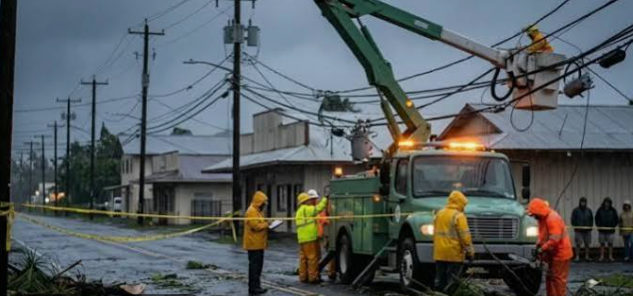
Insurance Moratoriums Are Real and They Move Fast
The moment the National Weather Service's Central Pacific Hurricane Center issues a hurricane watch or warning for any Hawaii island, insurers statewide typically stop accepting new policy applications and won't bind new coverage or increase existing coverage. That moratorium generally stays in place until roughly 72 hours after the watch or warning is lifted. If you're mid-transaction and haven't locked in a homeowners or hurricane policy before a storm gets close, you may simply be unable to get one until the weather clears, and that can directly delay your closing.
Standard Homeowners Insurance Doesn't Cover This
A lot of buyers assume a standard homeowners policy handles storm damage. It doesn't. Wind damage from a hurricane, defined as sustained winds of 74 mph or more, generally requires a separate hurricane policy or endorsement. Flooding, whether from storm surge or heavy rain like what hit the Big Island this week, requires its own flood policy, and National Flood Insurance Program coverage typically has a 30-day waiting period before it takes effect. That waiting period matters: you can't buy flood coverage the week before a storm and expect it to help you.
If You're Under Contract Right Now
If you have a purchase contract in progress anywhere in the state, this is the week to call your lender and your insurance agent, not wait for your closing date to approach. Ask directly whether your rate lock and required hurricane and flood coverage can still be bound given current conditions, and whether your lender needs a post-storm inspection before funding if the property is on Hawaii Island or windward Maui. Sellers with property in or near the affected areas should expect buyers and lenders to ask for updated inspections, and should be upfront about any damage, even minor, since failing to disclose known issues can create real legal exposure later.
What Owners Statewide Should Do Now
Even if your property wasn't in Lala's direct path, this is a good prompt to check two things: whether your dwelling coverage reflects your home's current rebuild cost given rising materials and labor prices, and whether you actually carry separate hurricane and flood coverage rather than assuming your standard policy has you covered. Hawaii's hurricane season runs through November, and insurers have been tightening capacity and pricing across the state in recent years, so waiting until the next storm is in the forecast to fix a coverage gap is the riskiest possible timing.
Looking Ahead
Storms like Lala don't just cause immediate damage, they tend to accelerate scrutiny from lenders and insurers on flood zones, roof age, and wind mitigation features for months afterward. If you're shopping for a home on Hawaii Island or in a flood-prone area anywhere in the state, budget for the possibility that insurance costs and requirements on that specific property just got a little more demanding.
If you're navigating a purchase or sale right now and aren't sure how this affects your timeline, that's a conversation worth having this week rather than after your next deadline hits.