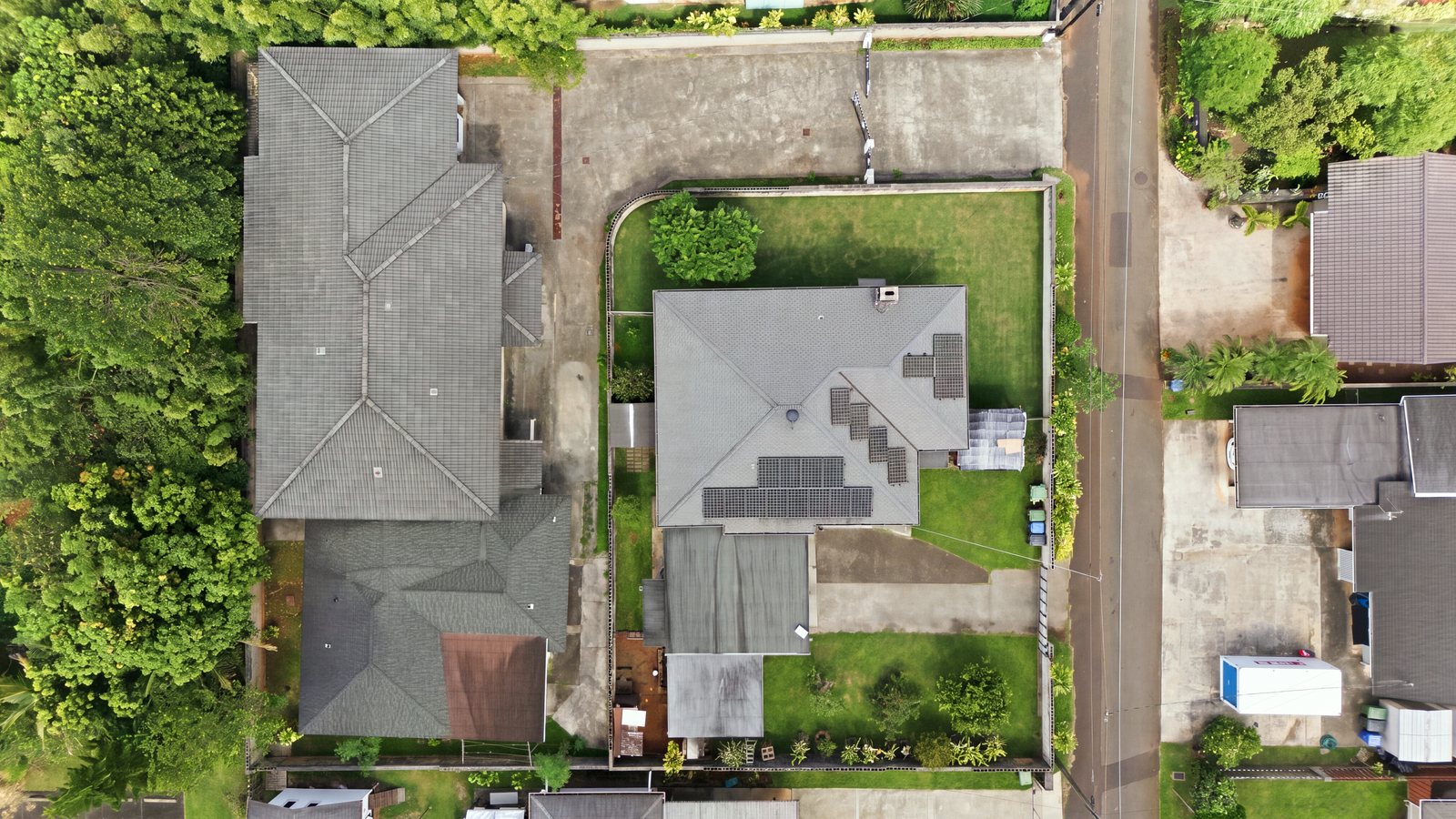
Here's a situation that confuses a lot of buyers. They find a single-family house, sitting on its own yard, and the listing calls it a condominium. No tower, no high-rise anything. Just a house. So the reasonable question is: how is this a condo?
The answer almost always comes down to three letters you see all over Oahu listings: CPR. Here is what a CPR actually is, why it trips people up, and what I tell buyers to check before they write an offer on one.
What a CPR actually is
CPR stands for Condominium Property Regime. It is a form of ownership created under Hawaii Revised Statutes Chapter 514B, the same law that governs the glass towers in Kakaako. The word "condominium" in Hawaii law does not mean "apartment in a building." It means a property that has been legally divided so that parts are owned separately and the rest is owned in common.
A CPR is created when every owner of the land signs and records a declaration submitting that land to the regime (HRS §514B-31). From that point each unit gets its own fee simple deed, its own mortgage, its own insurance, and its own Tax Map Key. Two owners can hold two units on what used to be one property, and neither one's loan touches the other's.
Here is the piece most people miss. A "unit" under the statute can be a whole detached house with a yard, not just a room in a building (HRS §514B-3). That is why a plantation-era home in Kaimuki or a newer house in Hawaii Kai can legally be a condominium unit even though it looks nothing like one.
Why a CPR is not a subdivision
This is the distinction that matters most, and it is where I see the biggest misunderstandings.
When land is subdivided, one parcel becomes two or more separate legal lots, each with its own boundaries recorded with the city. A CPR does not do that. The underlying land stays one single parcel. The ownership is divided on paper through the condominium declaration, but for zoning and building purposes the city still sees one lot.
That difference drives real consequences. Because the parcel is not actually subdivided, a CPR cannot create more building rights than the zoning already allows. Developers use CPRs to sell separate homes on narrow or odd lots that could never meet standard subdivision rules like street frontage or minimum lot width. It is a workaround for ownership, not a way to pack in extra density. If anyone tells you a CPR "subdivides" the land, that is the wrong word, and the error can lead to bad assumptions about what you can build.
How to tell if a home is a CPR
The fastest check is the Tax Map Key. Oahu TMKs end in a four-digit CPR unit number (HiCentral MLS TMK basics). If those last four digits are 0000, the property is not a CPR. Any other ending, like 0001 or 0002, means it is a CPR unit and there is a recorded declaration behind it. I check this on every property where the ownership structure is not obvious, and I pull the actual recorded documents rather than trusting the listing language.
Where CPRs show up on Oahu
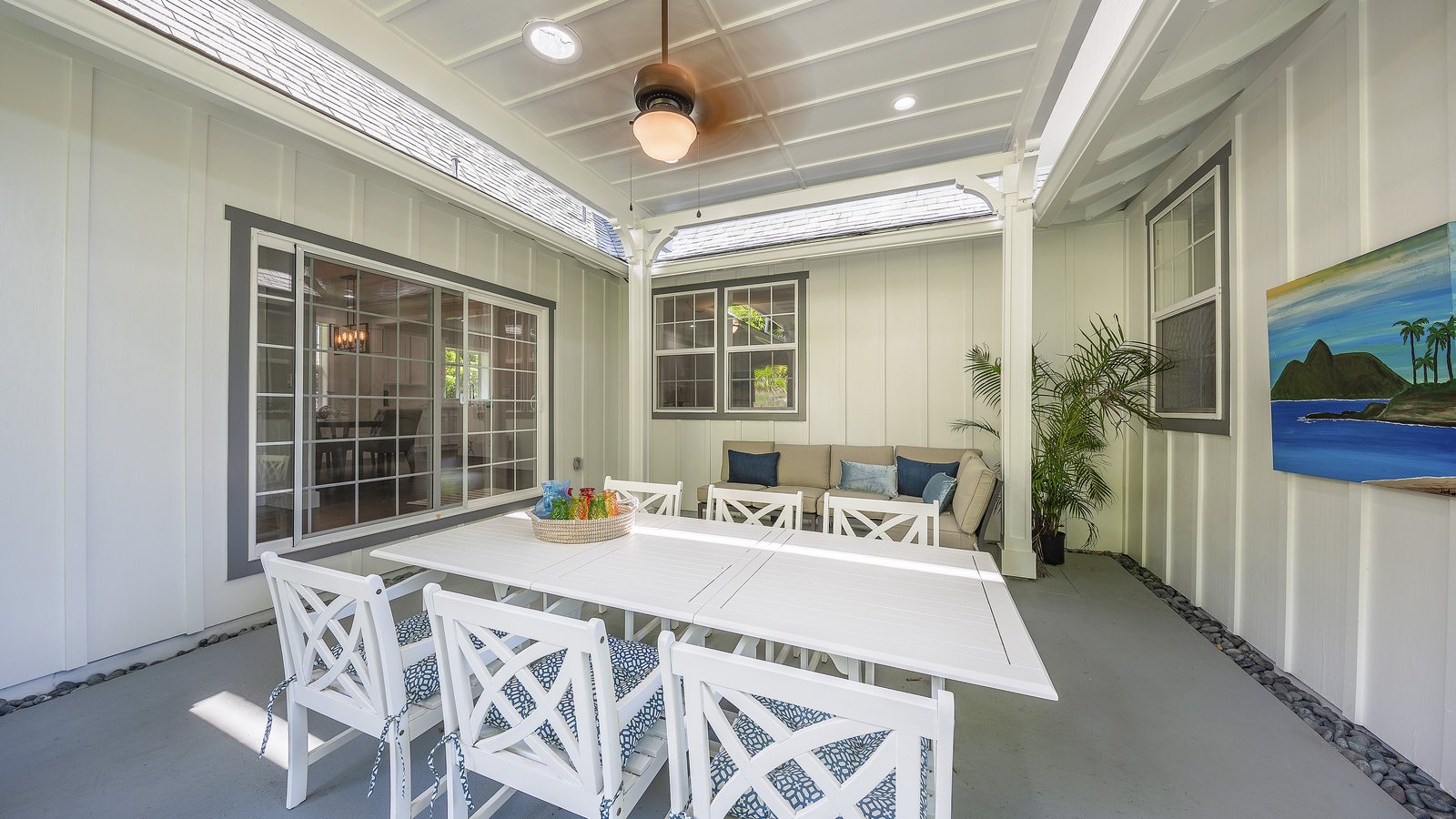
I run into CPRs constantly on this island. The classic case is a large lot. An owner has a lot big enough under its zoning for a second dwelling, and a second home gets built on it. If they CPR the property, each home's owner can get their own mortgage on their own unit. If one loan ever goes sideways, it does not put the other home at risk. That separation is the entire point.
The second is older lots in town, places like Kaimuki, Palolo, and parts of Manoa, where a large original parcel held a main house and a second structure for decades. A CPR lets those two homes be owned and sold separately today.
It is worth keeping CPR units and ohana units straight, because people mix them up. An ohana dwelling is a second unit allowed on certain lots under Honolulu zoning, and the City's Land Use Ordinance sets who may occupy it (with an exception for ohana units permitted before September 10, 1992). An ohana is about who may occupy a second unit. A CPR is about who legally owns it. A home can be one, the other, both, or neither, and the listing word is not proof of any of it.
What I tell buyers to check on a CPR
Read the declaration and bylaws
These recorded documents define your unit boundaries, your limited common elements, and the rules you are agreeing to live under. On a two-unit CPR this can be short and simple. Read it anyway. It tells you what you actually own versus what you share.
Understand the shared elements and any fees
Some CPRs share a driveway, a water meter, a retaining wall, or a roof. Others share almost nothing. If there are shared elements, there is usually a maintenance arrangement and sometimes a small association with monthly or annual dues. I want to see what is shared and who pays for what before closing, not after a pipe breaks.
Confirm the public report if it is a new project
When a developer sells units in a newly created condominium, the project generally has to be registered with the Hawaii Real Estate Commission and a public report issued before units can be offered for sale (HRS §514B-51). As a buyer you should receive that report along with the declaration, bylaws, and condo map. On an older resale CPR the original report may be long expired, which is normal, but the recorded documents still govern.
Check the tax picture
Because each CPR unit has its own TMK, the City and County of Honolulu assesses and taxes each unit separately. If you live in your unit as your primary home, you can file for the owner-occupant home exemption on that unit. As of the Real Property Assessment Division's brochure revised December 2025, the basic home exemption is $120,000 for owners under 65 and $160,000 for owners 65 and older, with a September 30 filing deadline for the following tax year. Both amounts are scheduled to rise, to $140,000 and $180,000, on July 1, 2027. Tax rates and exemption amounts change, so confirm the current figures with RPAD and talk to a licensed tax professional about your situation.
Line up financing early
Most CPR units finance like any other home, but how a lender treats the property can depend on how the documents are written and how many units are in the regime. Get your lender looking at the specific CPR documents up front so there are no surprises in underwriting.
None of this is a reason to avoid CPR homes. Plenty of great properties on Oahu are structured this way, and the setup often makes a home affordable or keeps a long-held property in the same hands. It just means reading a few documents most buyers never think to ask for. If you understand the land tenure side of Hawaii real estate, it helps to pair this with how leasehold versus fee simple ownership works, since the two concepts get confused constantly.
Frequently asked questions
Is a CPR home a good investment?
It can be, same as any home. I don't judge a property by whether it's a CPR. I judge it by the location, the condition, what's shared with the other unit, and the numbers. A well-structured two-unit CPR in a strong neighborhood can be a very good buy. I'd just read the declaration first.
Can I build an additional unit because a property is a CPR?
No, and this is the trap. A CPR doesn't create building rights. The land is still one parcel, and you're limited by the zoning on that parcel. If you're buying with a plan to add a dwelling, confirm what the zoning actually allows before you count on it, not after.
How do I know if a house I like is a CPR?
Check the last four digits of the Tax Map Key. All zeros means it isn't a CPR. Anything else means it is, and there's a recorded declaration I'd want to pull and read. I do this as a matter of routine on anything where the ownership looks unusual.
Are property taxes higher on a CPR unit?
Each unit is assessed and taxed on its own TMK, so you pay based on your unit's assessed value and classification, not the whole original parcel. Whether that works out higher or lower depends on the specific property. Confirm the current assessment with the City and check with a tax professional.
Can I rent out a CPR unit?
Depends on the declaration and the zoning. Long-term renting is usually fine unless the CPR documents restrict it. Short-term is a separate legal question I'd look at specifically for that address before you count on any rental income.
This is general information from a licensed real estate broker, not legal, tax, insurance or financial advice. Rules and figures change, so confirm anything that affects your decision with the right licensed professional.
Sources: HRS 514B-31, Honolulu Real Property Assessment Division, home exemption, HiCentral MLS, TMK (Tax Map Key) Basics, Honolulu Land Use Ordinance, household living and ohana occupancy
Tony Kawaguchi, R(B), The Kawaguchi Group, eXp Realty. Hawaii broker, license RB-21841, 20+ years and $1B+ in Oahu sales, leading a team of 20+ agents.
Thinking about a CPR home on Oahu?
CPR ownership sounds complicated and usually isn't once someone walks you through the documents. I'm happy to pull the recorded declaration on any property you're considering so you know exactly what you'd be buying. Browse homes across our Oahu communities or search current listings, then reach out to me and we'll go through it together.