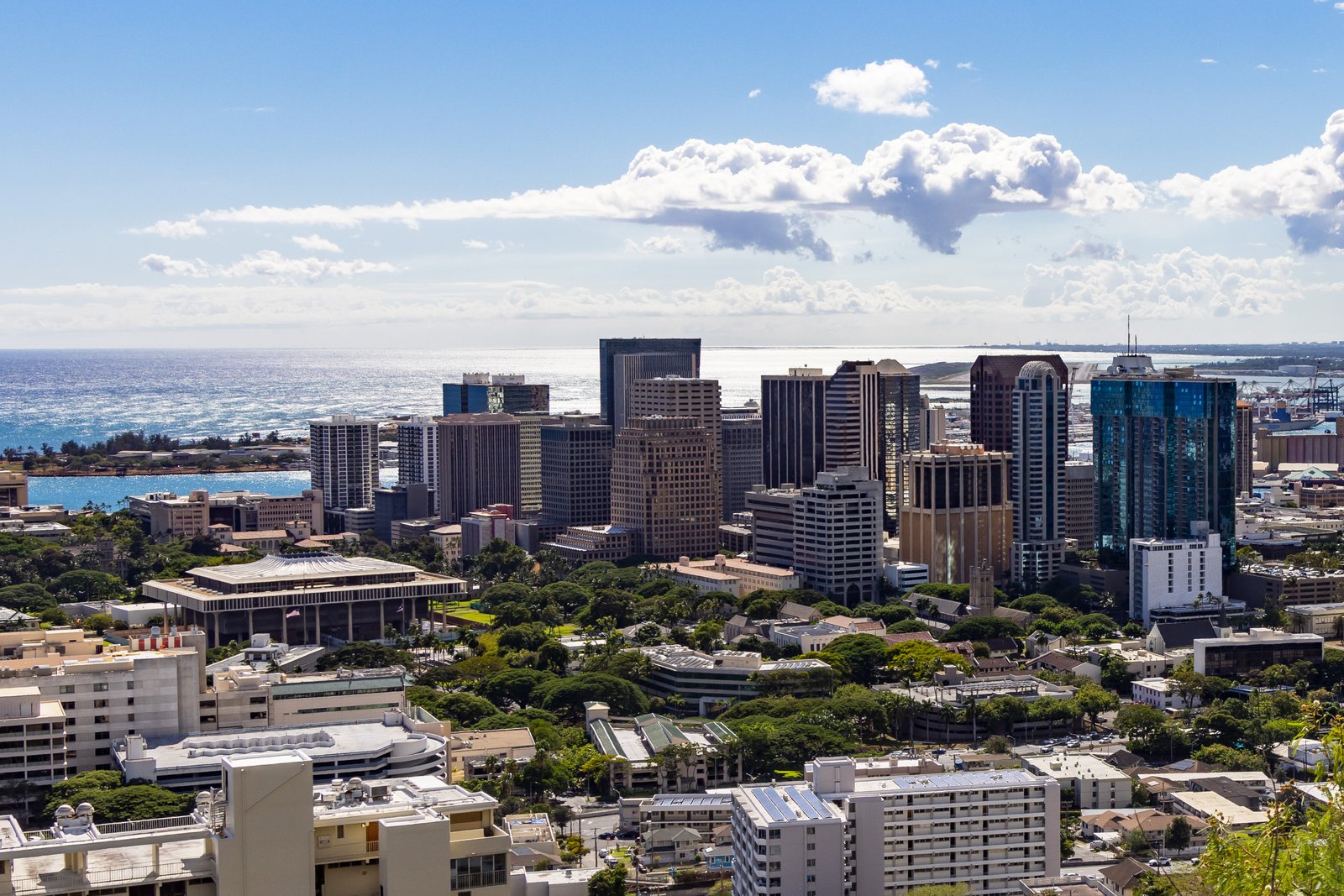
Photo: ArdentArbitration, CC0, via Wikimedia Commons
On March 26, 2026, the Hawaii Real Estate Commission replaced its old condominium rules with a new set, Hawaii Administrative Rules Chapters 16-119.1 through 16-119.8. In June, Act 100 changed how some very small associations handle reserve study reviews. Neither made the evening news, but both change what shows up in the condo documents you get after an accepted offer, and what you should ask for.
Here is the checklist I use with buyers now, built around what actually changed.
What changed in 2026
The new rules replace former Chapter 16-107 and cover developers, project registration, managing agents, replacement reserves and association registration. The parts that matter most to a buyer:
- Any approved budget a board gives owners must come with reserve study updates, an accountant's findings on reserve adequacy (or a statement that there were none) and where to see the full study.
- Unit floor area in the declaration and developer public report is net living area, measured from the interior surface of the perimeter walls, with lanais, patios, storage and garages listed separately.
- New developer public reports must be written at no higher than a 12th grade reading level.
- Starting July 1, 2027, associations must file a short summary with their registration explaining how owners can get association records, how long it takes and what it costs.
Act 100, signed June 5, 2026, is narrower. State law already requires a reserve study not prepared by an independent reserve study preparer to be reviewed by one at least every three years. Associations with fewer than 20 units, in buildings of no more than two stories, can now vote to skip that review for one three-year period, but not two in a row. They still have to disclose reserve information every year.
1. Read the reserve study, not just the monthly fee
More than once I've had a buyer focus entirely on the maintenance fee and open the reserve study only after the offer was accepted. That's backwards. The fee tells you what owners pay today. The reserve study tells you whether today's fee is enough.
The new rules are blunt about what happens when it isn't. A board can borrow or specially assess owners if it underestimated reserves for an item, or if a big repair would drop the reserve fund below 50 percent of a full reserve (100 percent under a cash-flow plan). The rules even include a worked example of a roof replacement forcing an assessment.
What I look for:
- Whether last year's reserve contributions fell short of what the study called for. The budget summary has to disclose that.
- Big-ticket items due in the next five years: roof, elevators, plumbing, spalling repair.
- Any component the study leaves out, and the stated reason.
- For a small walk-up, whether owners voted to waive the independent review under Act 100. It's legal, but I want to know.
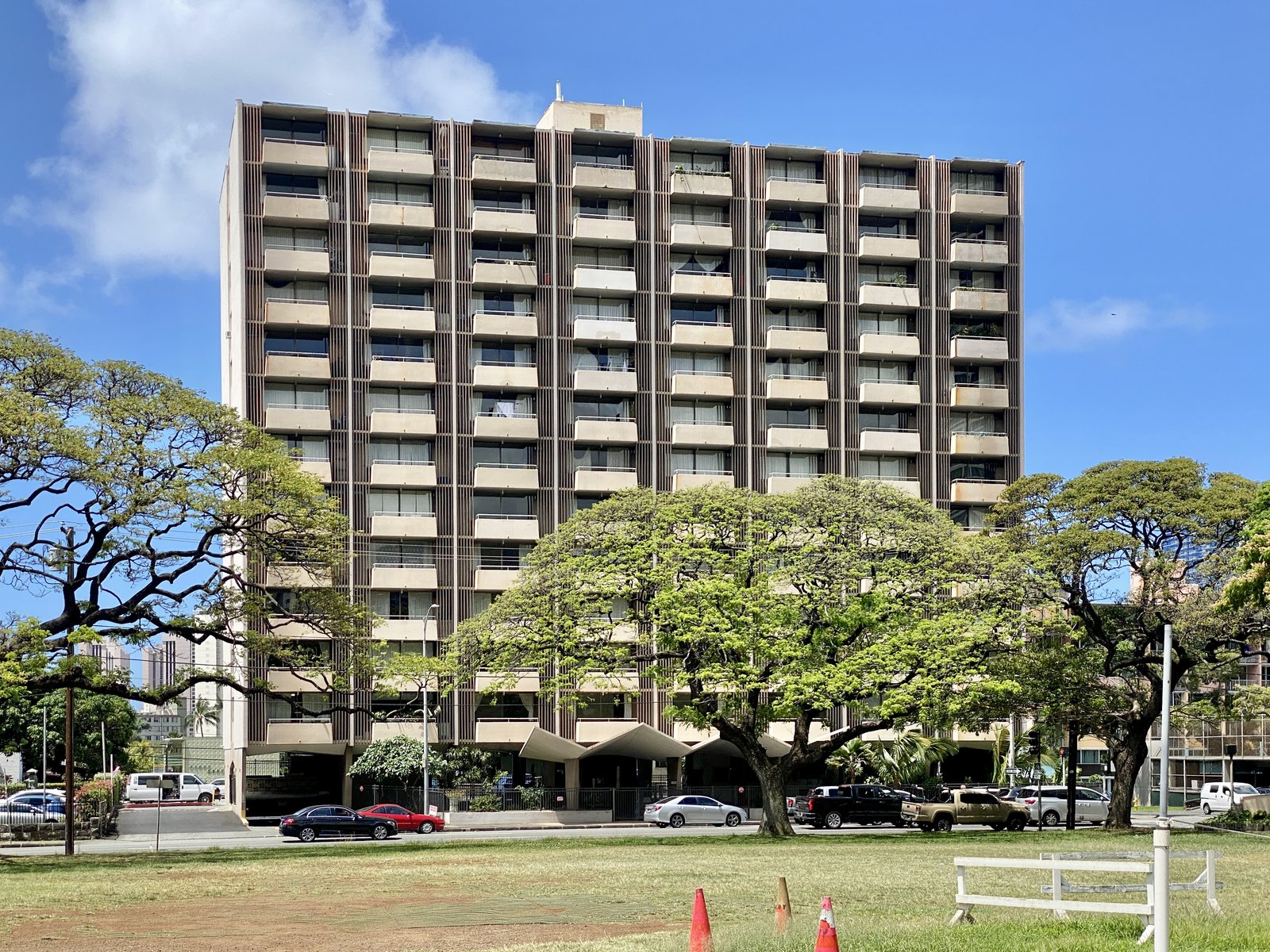
Photo: Warren LeMay, CC BY-SA 2.0, via Wikimedia Commons (resized)
2. Ask where an older Honolulu tower stands on fire safety
This is a city rule, and it hasn't gone away. After the 2017 Marco Polo fire, Honolulu required existing residential high-rises without sprinklers to either install them or pass a Building Fire and Life Safety Evaluation. Under Ordinance 25-4, owners must meet with unit owners and file a written compliance plan by May 3, 2030, and buildings that don't comply with sprinklers must pass the evaluation by May 3, 2038. The Honolulu Fire Department keeps a list of affected high-rises, last updated April 24, 2026.
Why it belongs on a buyer's checklist: state law lets a Honolulu reserve study forecast a loan or special assessment for fire safety work. Civil Beat reported in November 2024 that just over 20 of roughly 300 Honolulu high-rises had an acceptable score in the city's August 2024 report, so many buildings still have decisions ahead. In an older tower, I ask early whether it's sprinklered, whether the evaluation is done and what the board has said about a plan.
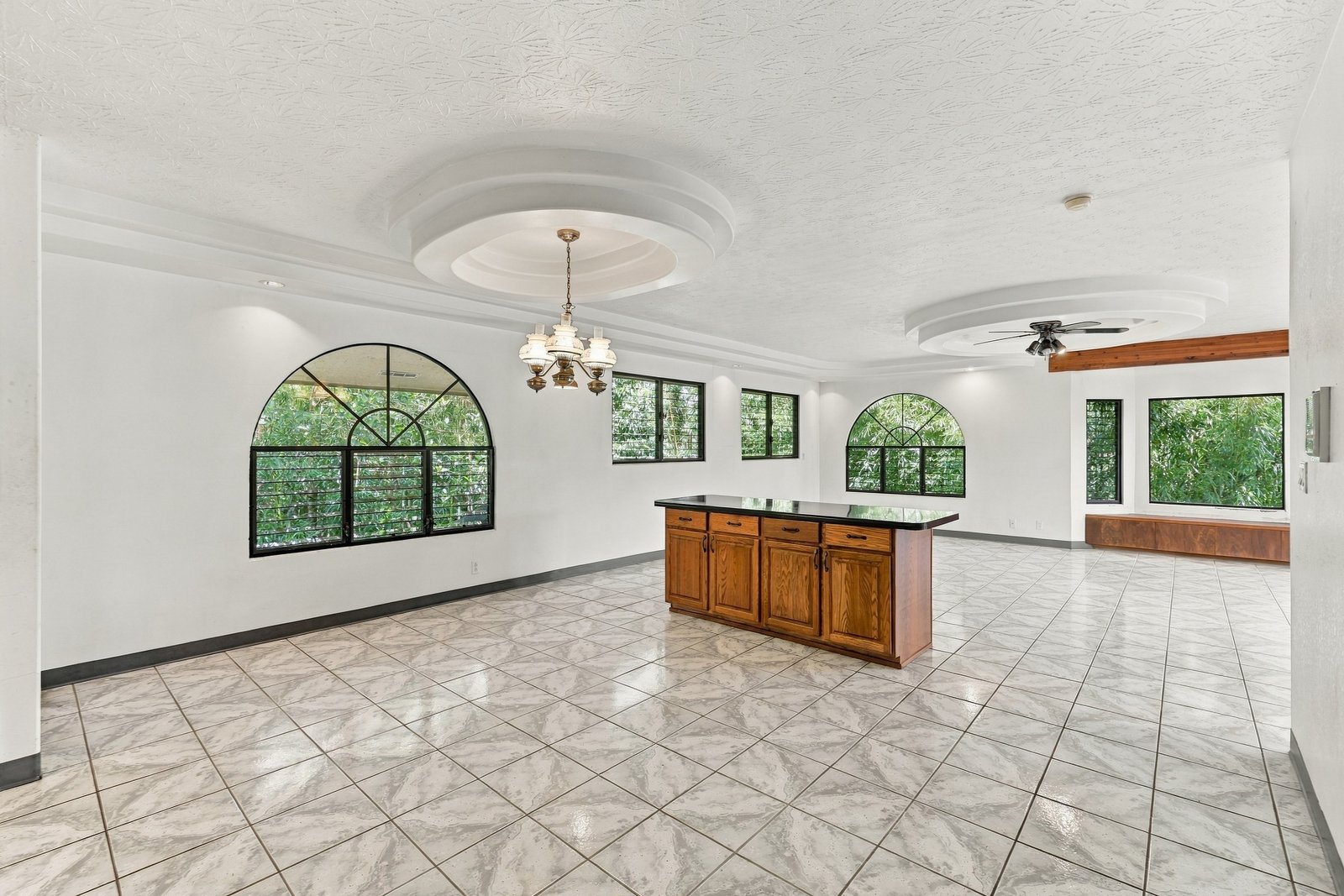
3. Compare square footage the way the rules measure it
I've seen listings in the same building quote different square footage for what looks like the same floor plan, usually because one counted the lanai and one didn't. The new rules settle it for declarations and public reports: living area from the inside face of the walls, lanai on its own line.
That standard governs the official documents, not every listing remark, and older projects were registered under the old rules. So when I compare price per square foot across buildings, I pull figures from the declaration or public report, keep living area and lanai separate, and ask where the listing number came from. For a conversion project, I also read the added disclosures the rules now require, including outstanding building code violations and the estimated cost to fix them.
FAQ
Do the new rules raise my maintenance fees?
Not directly. They don't set fees. They make the reserve math more visible, and if a building has been underfunding, that tends to come out at budget time.
Is a small building that waived its reserve study review a red flag?
Not by itself. Act 100 allows it for buildings under 20 units and two stories or less. I'd read the annual reserve disclosure more carefully and make sure the board didn't waive it twice in a row, which the law doesn't allow.
How do I find out if a Honolulu high-rise passed its fire safety evaluation?
Start with the Honolulu Fire Department's high-rise list, then ask the association or managing agent for the evaluation and any compliance plan. I put that request in writing during due diligence.
This post is general information, not legal, tax, insurance or financing advice.
Sources: Hawaii Real Estate Commission, Hawaii Condominium Bulletin, September 2026; Hawaii Administrative Rules Chapters 16-119.1 to 16-119.8 (effective March 26, 2026); Act 100, SLH 2026 (HB 1824), signed June 5, 2026; City and County of Honolulu Ordinance 25-4; Honolulu Fire Department, Sprinklers; Honolulu Civil Beat, November 19, 2024.
Tony Kawaguchi, REALTOR, license RS-66616, The Kawaguchi Group, eXp Realty (RB-21841). 20+ years and $1B+ in Oahu sales, leading a team of 20+ agents.
If you're weighing a condo and want a second set of eyes on the reserve study or building documents, call me at 808.201.3577.