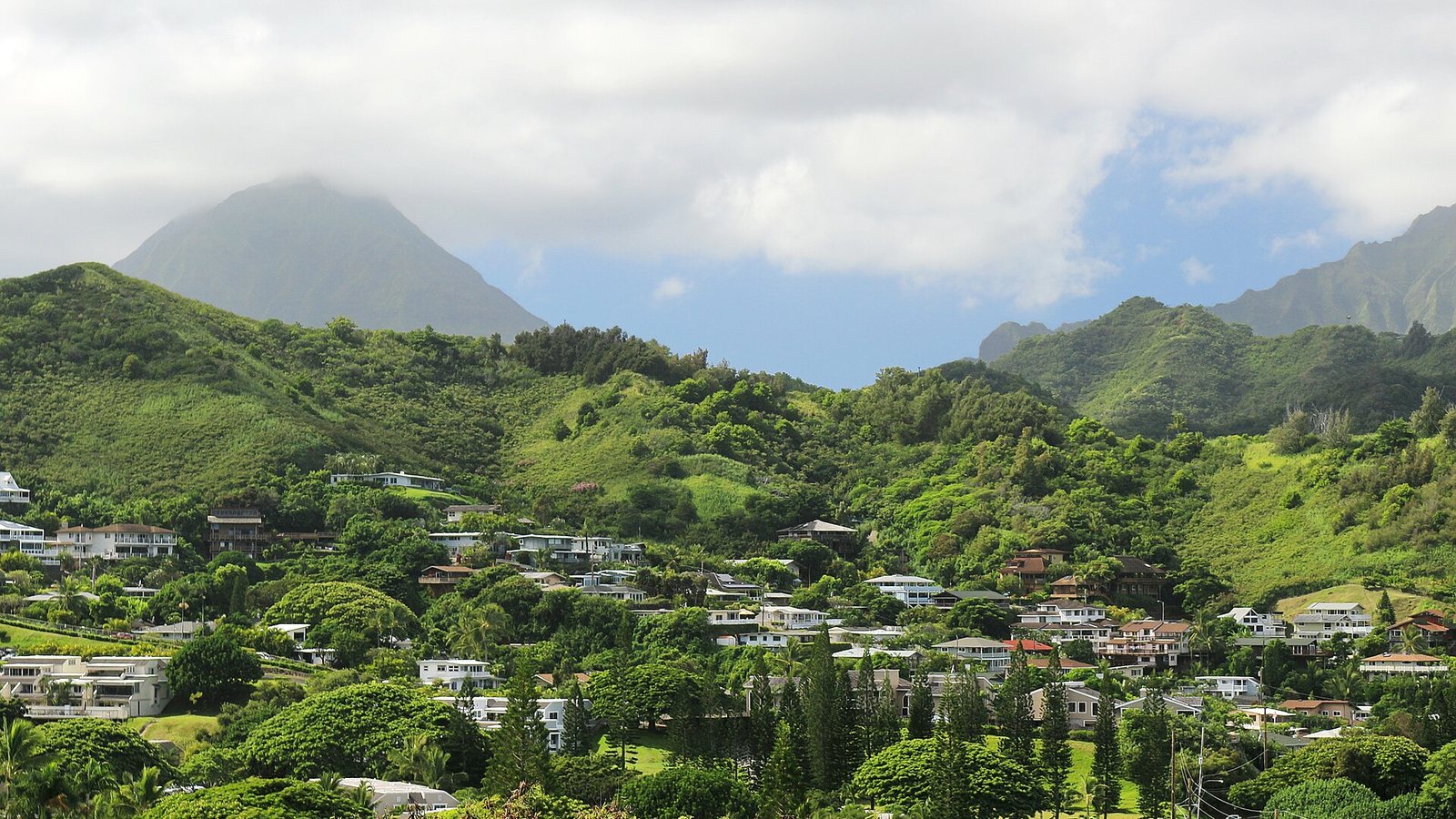
Insurance is where a lot of Oahu escrows get real. Buyers come in focused on the price, the view, the school, and then the lender asks for proof of coverage and the questions start. Why do I need a separate policy for hurricanes? What is a flood zone and why does it change my closing? Do I have to worry about lava out here? Here is the plain version of how home insurance works in Hawaii, without the sales pitch.
Four things drive most of it: wind and hurricane, flood, the condo association picture, and lava. On Oahu, three of those four matter to almost everyone, and I will tell you which one usually does not.
Your standard homeowners policy does not cover a hurricane
This surprises people every time. In Hawaii, a standard homeowners (HO) policy generally covers ordinary wind damage, the kind you get from a strong storm or a trade-wind gust that takes down a tree. It does not cover hurricane damage. Hurricane coverage is a separate policy you buy on top of your homeowners policy.
The state's own consumer guidance spells this out. According to the state Insurance Division's hurricane insurance FAQ, most companies use a "72-hour clause": once the Central Pacific Hurricane Center issues a hurricane watch or warning, damage sustained during the 72-hour period after that watch or warning is issued is covered under the hurricane policy. The exact trigger language varies by policy. Flood damage and lesser, non-hurricane wind events are not part of the hurricane policy. That is why you can end up with three separate things: homeowners, hurricane, and flood.
Two points I make sure buyers understand before they remove their contingencies. First, a hurricane deductible is usually calculated as a percentage of your dwelling coverage, not a flat dollar amount, so on a higher-value home it can translate into a large out-of-pocket number. Read it before you sign, not after a storm. Second, premiums are priced on the construction type, the deductible you choose, and the age and condition of the home, so an older single-wall house and a newer home on the same street can quote very differently. The exact terms vary by carrier, so confirm your numbers with a licensed Hawaii agent.
If you are buying a condo, the association's coverage is half the story
When you buy a single-family home, you control the policy. When you buy a condo, your unit sits inside a building insured by the AOAO (the association of apartment owners) under a master policy, and you carry a smaller personal policy (an HO-6) for the interior and your belongings. Over the last couple of years Hawaii's condo buildings have been through a real squeeze on master insurance, especially hurricane coverage, and it has shown up as higher maintenance fees and, in some buildings, special assessments.
Part of the state's response is the Hawaii Hurricane Relief Fund. Created in 1993 after Hurricane Iniki, it went dormant for years and was reactivated in 2024 to help stabilize hurricane coverage for condo and townhouse associations when the private market cannot fully cover them. It sells hurricane-only excess coverage to associations whose buildings are insured for more than $10 million and that have been turned down by at least two licensed insurers. The fund only pays above the first $10 million of hurricane coverage, which the association still has to buy privately, and policies run one year at a time. It is aimed at the building, not your individual unit, but it affects your monthly fees and it is worth asking about.
If you are shopping condos, I go deeper on this in my write-up on where the condo insurance market stands now. Before you commit, get the building's current master policy and loss history through escrow.
Flood insurance is its own separate policy
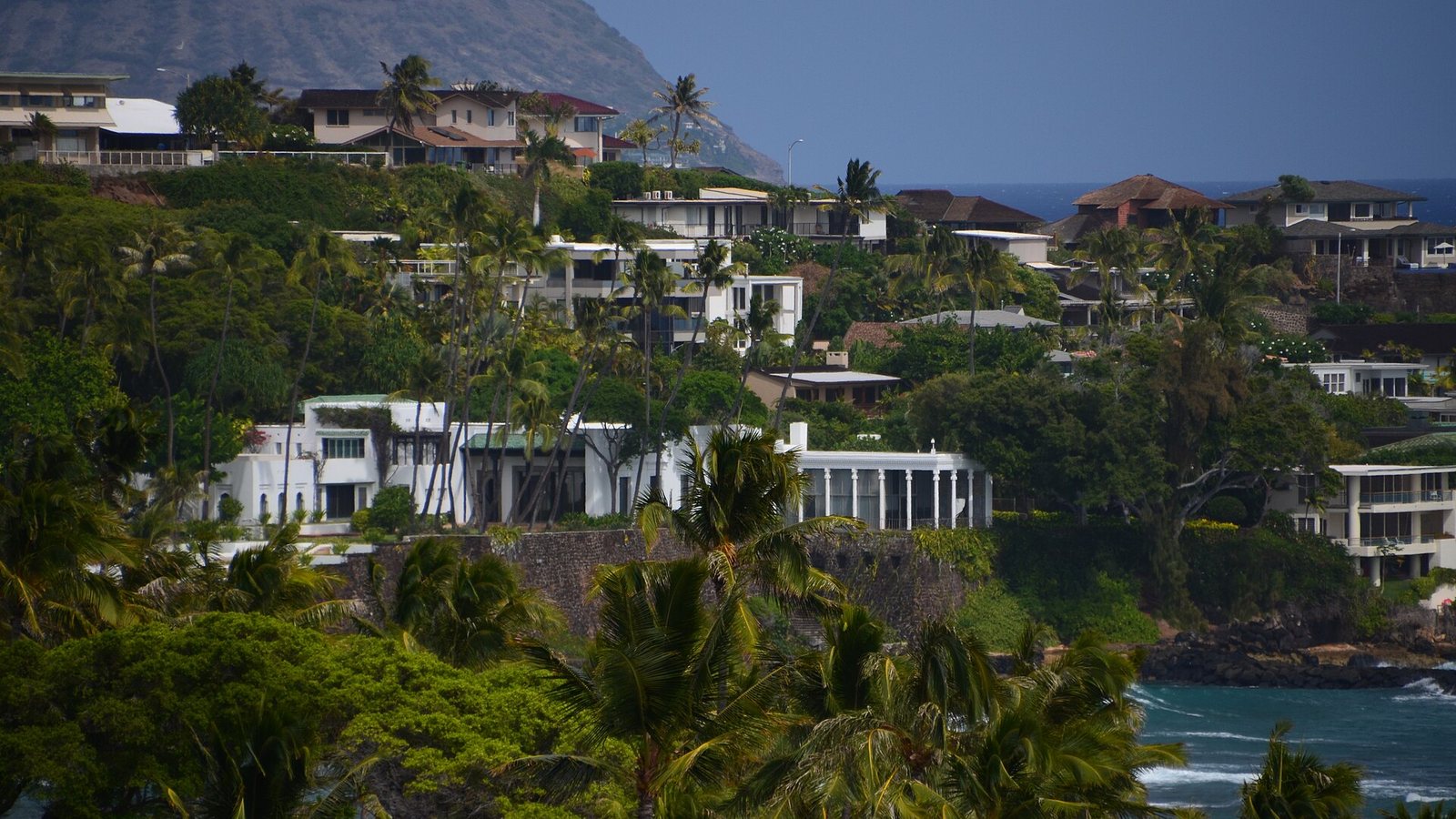
Homeowners policies exclude flood. If your home needs flood coverage, it usually comes through the National Flood Insurance Program (NFIP), which is a federal program. For a single-family home, NFIP building coverage tops out at $250,000 and contents coverage at $100,000; if your home is worth more than that, you cover the gap with a private excess flood policy.
Here is the part that catches buyers off guard at the closing table. If your property sits in a mapped Special Flood Hazard Area and you are using a federally backed mortgage, flood insurance is generally mandatory. It is not optional and it is not something you decide later. Whether a specific address falls in that zone comes down to the FEMA flood maps, and those maps change. Oahu's updated FEMA flood maps took effect on June 10, 2026, which moved some properties in and some out. I broke down what that means in my post on Oahu's new flood maps. Coastal and low-lying areas are the ones to check most carefully, so if you are looking at properties near the water in places like Hawaii Kai or along the shore, pull the flood determination early.
Lava zones, and why they probably do not touch your Oahu purchase
Lava is a common question from buyers new to the islands. It is a fair question, and the honest answer for Oahu is reassuring: Oahu is not in a lava hazard zone at all. The USGS lava flow hazard zone map for the Island of Hawaii runs from Zone 1, the most hazardous, to Zone 9, the least. Oahu and Kauai have no designated lava zones because their volcanoes are long dormant.
So where does it matter? If you are also looking at the Big Island, the zone is a real factor in both risk and insurability. Zone 1 covers the summits and rift zones of Kilauea and Mauna Loa; Zone 2 is the adjacent downslope area, parts of which have been covered by lava within the last couple of centuries. Higher-numbered zones are far safer, such as Kohala, where the last eruption was tens of thousands of years ago. Lenders and insurers pay attention to the zone, so a Puna property in Zone 1 or 2 is a very different insurance conversation than a home in Kona. On Oahu, you can set this one aside.
What I tell buyers to do before they lift contingencies
The mistake I see is treating insurance as a formality you handle right before closing. In Hawaii it can change your monthly cost and, occasionally, whether the deal pencils at all. A few habits keep clients out of trouble:
- Get real quotes during your inspection period, not estimates. Ask for homeowners, hurricane, and flood as separate line items so you see the full picture.
- Read the hurricane deductible and calculate the actual dollar figure on your home's value.
- For condos, request the AOAO master policy and recent loss runs through escrow, and ask whether the building has taken or is facing a special assessment.
- Order the flood determination early. If the address is in a Special Flood Hazard Area and you are financing, budget for the premium from day one.
- Loop in a licensed local insurance agent. Hawaii's market has carriers and quirks that a mainland agent may not know.
Frequently asked questions
Do I really need a separate hurricane policy in Hawaii?
In most cases, yes. Your standard homeowners policy here covers ordinary wind but generally not hurricane damage, so hurricane coverage is a separate policy on top. If you are financing, your lender will usually require it. Confirm the specifics with your agent, because the trigger language and deductible vary by carrier.
How is a hurricane deductible calculated?
It is typically a percentage of your dwelling coverage rather than a flat dollar amount. That means on a pricier home the deductible can be a large number, so I always have buyers run the actual figure before they get comfortable with a quote.
Is flood insurance required on Oahu?
Only if your property is in a mapped Special Flood Hazard Area and you have a federally backed mortgage. Then it is generally mandatory. If your home is not in that zone, it is optional, though plenty of owners near the coast or in low-lying areas carry it anyway. The FEMA flood map for the exact address is what decides it.
Do I need to worry about lava zones if I buy on Oahu?
No. Oahu is not in any lava hazard zone. The USGS lava zones only cover the Island of Hawaii and Maui. Lava zone only becomes part of the conversation if you are buying on the Big Island or in certain parts of Maui.
Why did my condo's fees jump because of insurance?
Hawaii condo buildings have faced steep increases and, in some cases, gaps in master insurance, especially hurricane coverage. When a building's master policy gets more expensive or an insurer pulls out, the association passes that through as higher fees or a special assessment. Always review the building's insurance and budget before you buy.
How much coverage does NFIP flood insurance provide?
For a single-family home, NFIP caps out at $250,000 for the building and $100,000 for contents. If your home is worth more, you fill the gap with a private excess flood policy. Your agent can price that alongside the base NFIP policy.
This is general information from a licensed real estate broker, not legal, tax, insurance or financial advice. Rules and figures change, so confirm anything that affects your decision with the right licensed professional.
Sources: Hawaii Insurance Division hurricane insurance FAQ, Hawaii Hurricane Relief Fund (DCCA Insurance Division), FEMA FloodSmart, NFIP coverage limits, City and County of Honolulu, FIRMs effective June 10, 2026, USGS lava flow hazard zones, Hawaii Insurance Division, Frequently Asked Questions on Hurricane Insurance, FEMA FloodSmart (NFIP coverage limits), USGS lava flow hazard zone maps
Photo credits: Robert Linsdell from St. Andrews, Canada, CC BY 2.0, via Wikimedia Commons (cropped); Thomas Tunsch, CC BY-SA 3.0, via Wikimedia Commons (cropped).
Tony Kawaguchi, R(B), The Kawaguchi Group, eXp Realty. Hawaii broker, license RB-21841, 20+ years and $1B+ in Oahu sales, leading a team of 20+ agents.
Get the insurance picture before you fall in love with the house
I would rather have this conversation early than watch a deal wobble two days before closing over an insurance number nobody checked. If you are buying or selling on Oahu and want a straight read on what a specific property will cost to insure, reach out to me here. You can also search current Oahu listings and send me anything you want a closer look at.