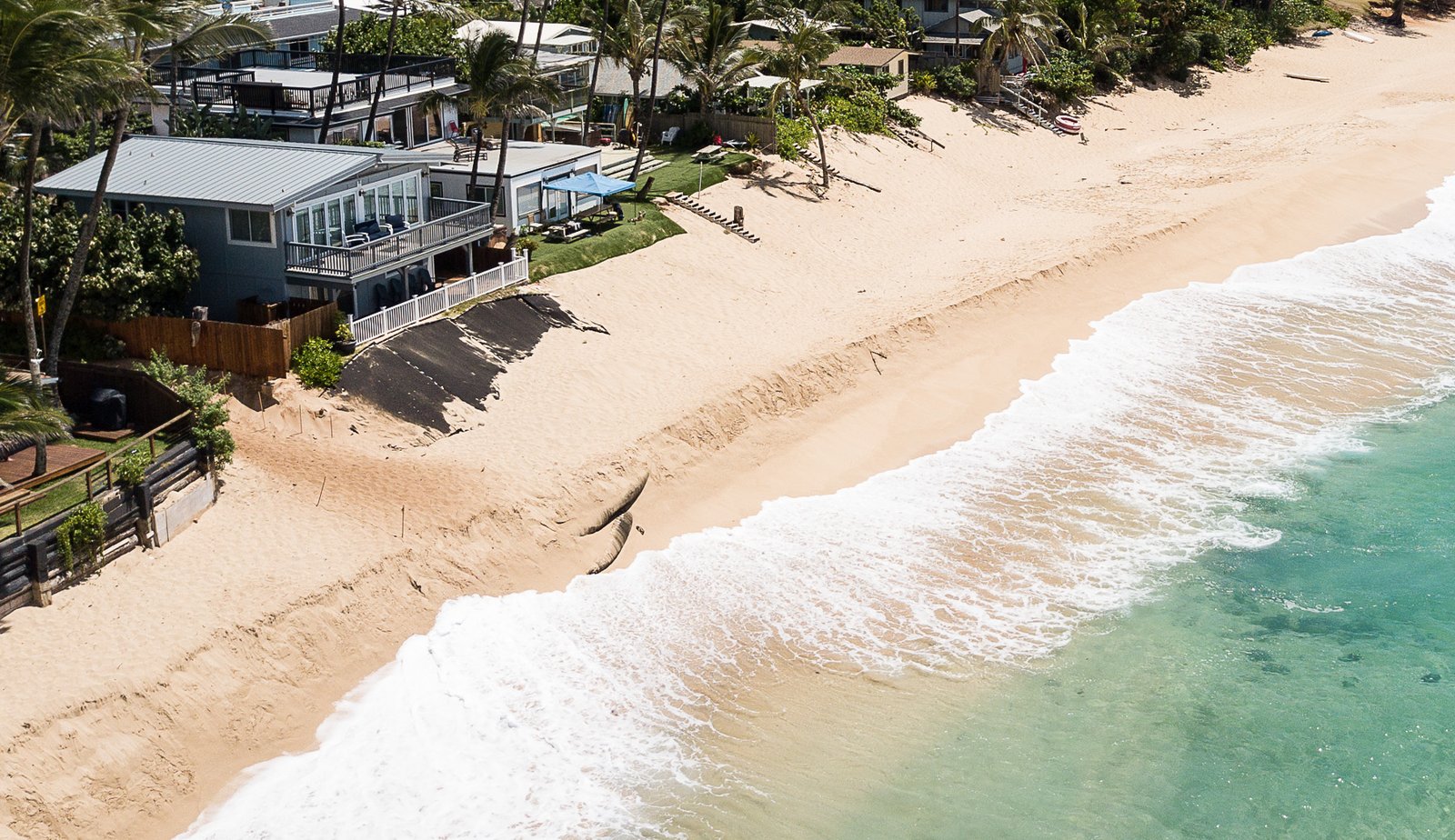
Hurricane Lowell passed about 60 miles southwest of Poipu overnight on September 7 as a Category 2 storm, and on Kauai's south shore the storm surf did the worst of the damage. Oceanfront homes along Hoona Road were torn open or pushed off their foundations. On Oahu, 22-foot waves threw sand, coral and boulders onto beachfront properties in Makaha. If you own a damaged home near the water, or you're thinking about buying one, a single test now decides most of what happens next: whether the repairs cost half of what the building was worth before the storm.
What Lowell left behind
Kauai County put the storm swell at 30 feet at its peak. One witness told Hawaii Public Radio he counted five or six homes destroyed on a single Poipu street and about a dozen more badly damaged. Residents told the Star-Advertiser the shoreline lost at least 15 feet in some spots.
Lowell came between Lala in August and Nolo in late September. The state Insurance Commissioner has asked insurers to give affected policyholders grace periods through January 7, 2027, but that's a request, and it doesn't stop an insurer from dropping a risk it no longer wants.
How the 50 percent rule works
The rule comes from the federal flood insurance program, and each county enforces it. As Honolulu's Department of Planning and Permitting puts it, a building in a Special Flood Hazard Area (zones A, AE, AEF, AH, AO, V and VE) is "substantially damaged" when restoring it would cost 50 percent or more of the structure's market value before the damage. Once that happens, the repair has to meet the current flood ordinance. That can mean elevating the house, moving it, or tearing it down.
Two details catch people. The percentage is measured against the building, not the land. On the coast the land is often most of the price, so a modest-looking repair bid can still cross the line on an older house. And the county decides, not the seller or the contractor. Under FEMA's rules, that call is made when the owner applies for a building permit.
Kauai County has applied it directly to Lowell. Permitted homes outside a flood zone can make Lowell repairs without a new permit, as long as the work meets code. In a flood zone, owners must contact county engineering first, and substantially damaged buildings need a permit and a rebuild to current flood standards. Near the shoreline, a Special Management Area assessment comes before any work, under the same 50 percent standard.
On Oahu, also check which map applies. New FEMA flood maps took effect June 10, 2026, so a house that wasn't in a flood zone last year may be in one now.
Walking through a damaged listing
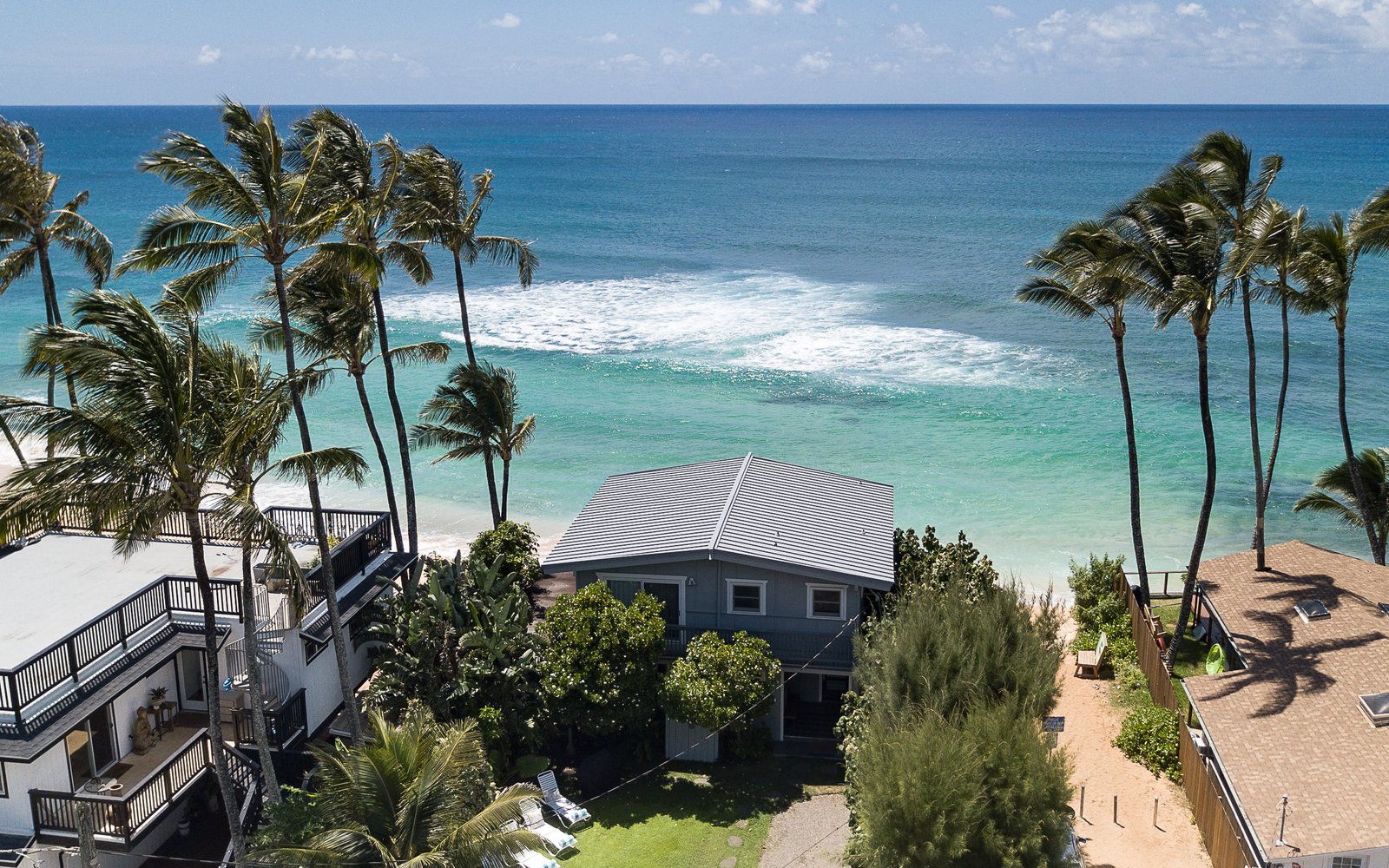
Say a storm-damaged oceanfront house comes on the market as-is next spring, priced well under its pre-storm value. Here's the order I'd work in before anyone talks about an offer.
- Flood zone and elevation certificate. When I walk a coastal listing with a buyer, the elevation certificate is the first document I ask for, before we talk price. It tells you how far the floor sits from the required flood elevation.
- The county's position. Ask whether a substantial damage determination has been made or a permit application filed. If not, get a contractor's estimate and compare it with the building's value, not the asking price.
- Shoreline review. A full rebuild near the water can run into setback rules, and some lots may not allow the same footprint.
- The seller's claims. Find out what insurance paid, what work was done, and whether it was permitted. Flood policyholders in high-risk zones can get up to $30,000 in Increased Cost of Compliance coverage toward elevating or demolishing, but that claim runs through the owner's policy. Ask before closing whether it was filed.
- Tax relief. Kauai owners of storm-damaged property have until June 30, 2027 to file for disaster tax relief. Ask whether the seller did.
More than once I've had a buyer fall for an as-is beach house and assume the repair bid was the whole story. If the county calls it substantially damaged, the real project is a new house built to today's flood rules, and the price has to reflect that.
Insuring it after you close
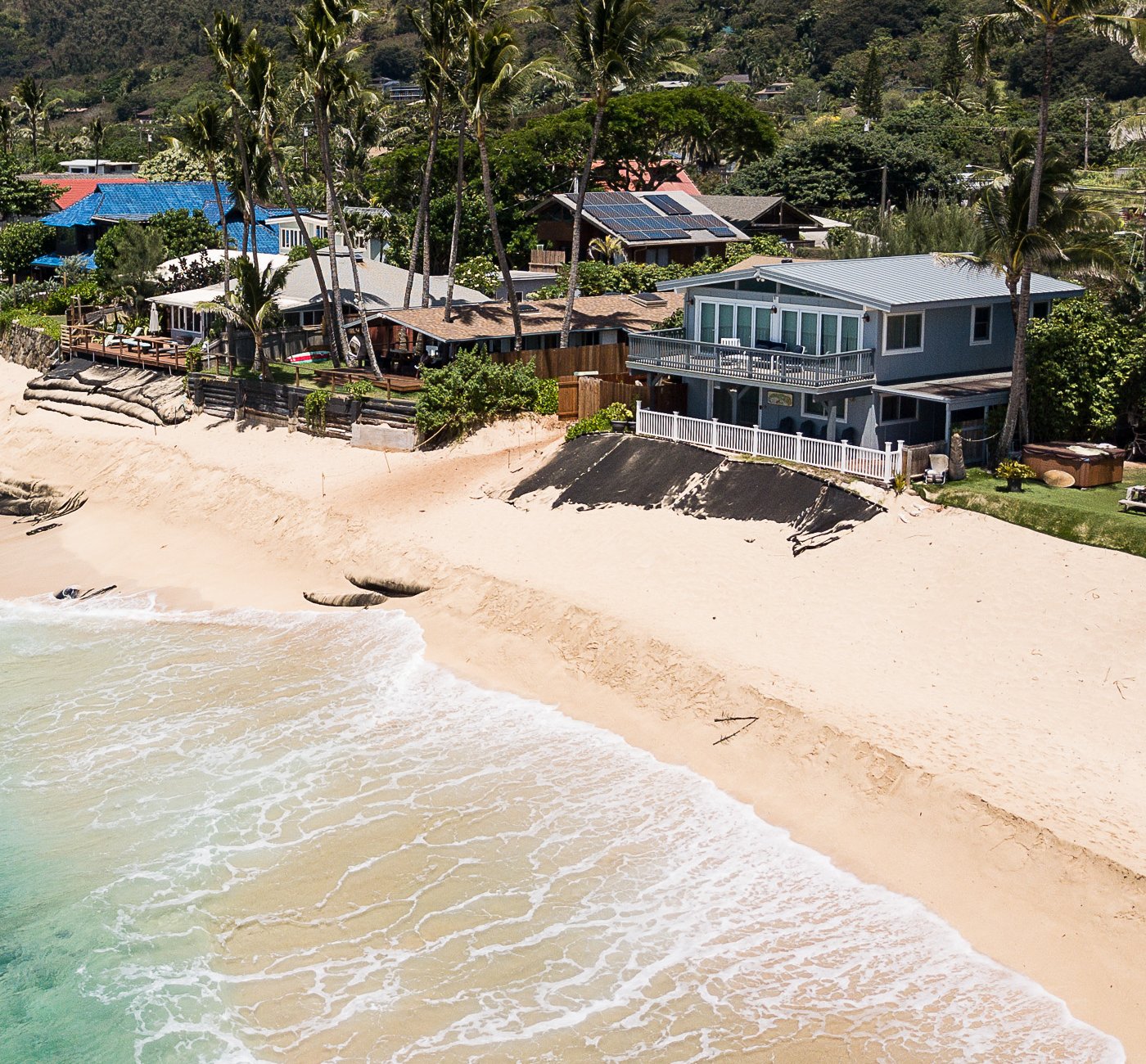
Lenders require hurricane coverage, and on the coast it's getting harder to place. DTRIC is leaving Hawaii, and its homeowners policies start nonrenewing with anniversary dates in November 2026. In May, State Farm stopped renewing hurricane coverage on single-wall wood homes that are rented out. The Insurance Division says the single-family market is still well supplied except for single-wall construction, waterfront homes and lava zones 1 and 2. The Hawaii Property Insurance Association is the fallback when private carriers say no.
Hurricane season runs through November 30. I'd get written quotes during due diligence, not the week before closing. I covered how storm watches can freeze new coverage in my post on Hurricane Lala. I've watched a single insurance quote change a buyer's whole budget, so I'd rather see it before an offer goes in.
FAQ
Does the 50 percent rule apply if my home isn't in a flood zone?
Not the federal flood version. It applies to Special Flood Hazard Areas. On Kauai, shoreline properties still need an SMA assessment before repairs, and the county applies the same 50 percent test there. On Oahu, check the June 2026 maps before you assume you're out.
Is a storm-damaged oceanfront home a bargain right now?
Sometimes. I'd price it as land plus a rebuild under today's rules and today's insurance, then see if the discount still holds up.
Who decides whether a house is substantially damaged?
The county, usually when the permit application goes in. A seller's contractor can give you a number, but the county decides.
This post is general information, not legal, tax, insurance or financing advice.
Sources: Hawaii Public Radio, September 8, 2026; Honolulu Star-Advertiser, September 9, 2026; Hawaii News Now, September 8, 2026; County of Kauai Hurricane Lowell recovery update, October 28, 2026; County of Kauai storm repair guidance, September 27, 2026; Honolulu DPP storm response FAQs; FEMA Increased Cost of Compliance coverage; Hawaii Insurance Division Memorandum 2026-8A, September 10, 2026; Hawaii Insurance Division DTRIC exit FAQ; Hawaii News Now, May 26, 2026.
Tony Kawaguchi, REALTOR, license RS-66616, The Kawaguchi Group, eXp Realty (RB-21841). 20+ years and $1B+ in Oahu sales, leading a team of 20+ agents.
If you're weighing a coastal home after this storm season, call me at 808.201.3577 or reach me through my contact page.