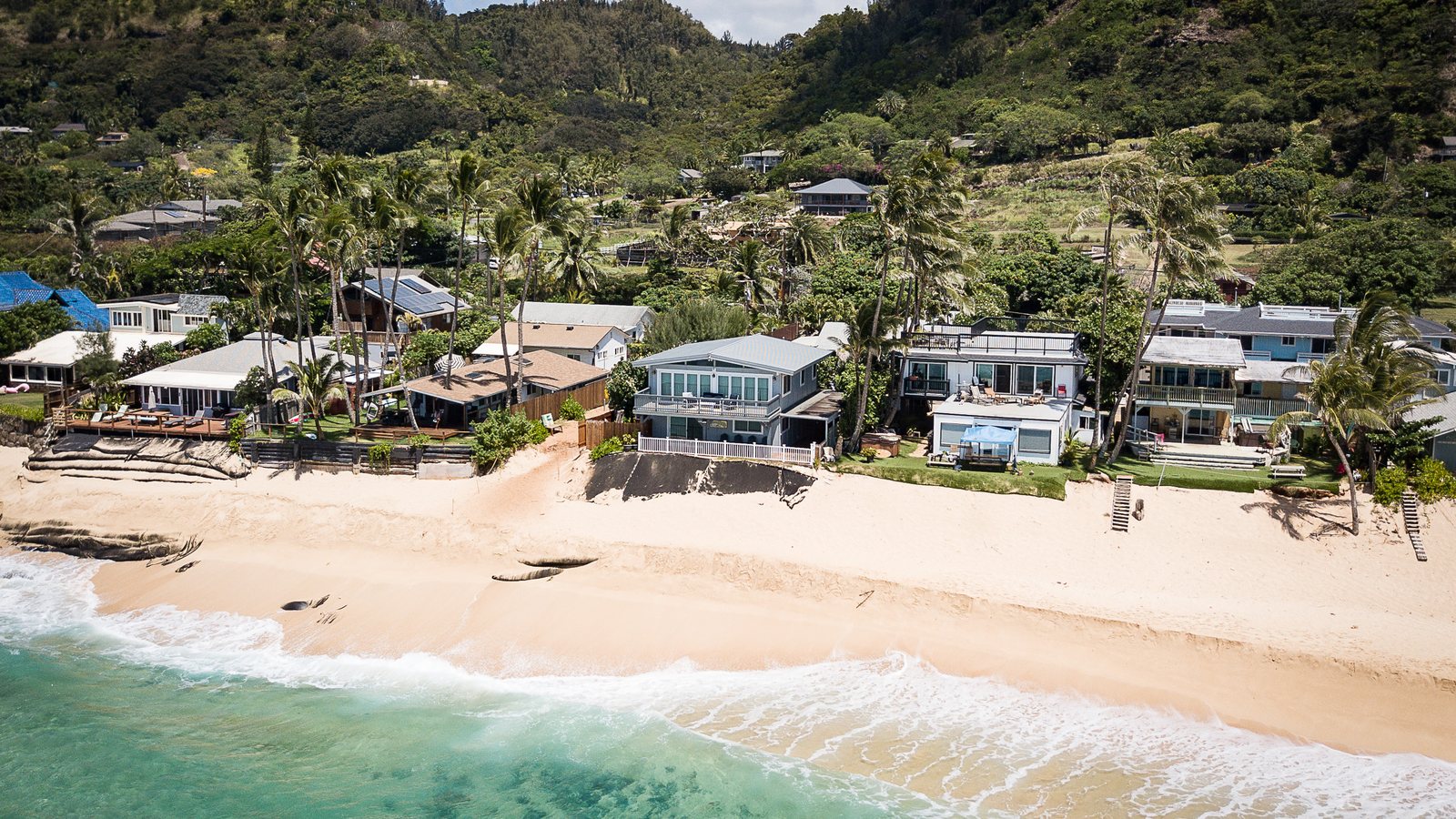
Buyers say "I want ocean" and mean two completely different things. One wants to open a door and walk onto sand. The other wants to pour coffee, look out the window, and see blue water over the rooftops. Those are two different houses, two different price tags, and two very different things to own. After 20+ years selling on this island, I can tell you they are easy to conflate until you see the numbers side by side. So let's separate them clearly.
What "oceanfront" and "ocean view" actually mean
Oceanfront means the property sits directly on the water with no public road or lot between you and the shoreline. Think Portlock, Kahala Avenue, Diamond Head's Gold Coast, the Kailua and Lanikai beachside lots. You have the water at the edge of your yard, and in most cases direct or near-direct access to it.
Ocean view means you can see the ocean from the home, but the house is set back from it, often well back and well above it. A home on Hawaii Loa Ridge, up Wilhelmina Rise, in Waialae Iki, or on the slopes of Diamond Head can have a jaw-dropping blue-water panorama while sitting a half mile or more from the nearest beach. The view is the asset. The water is scenery, not your backyard.
There's also a loose middle ground: "ocean views" that are really a sliver of blue between two neighbors, or a view that disappears the day someone downhill builds up. That's where knowing the specific street matters, because the listing photo and the reality don't always match.
The price gap is bigger than people expect
Here's the honest version: on Oahu the jump from a strong ocean-view home to a true oceanfront home is often measured in millions, not in a percentage. A view home in a desirable area can be an outstanding property at a price that, while high, is reachable for a lot of buyers. Step onto the sand and you're frequently looking at a multiple of that.
I'm not going to print a specific premium figure here, because it moves with the neighborhood, the lot, the beach itself, and what's trading that quarter. Oceanfront on a wide sandy Kahala beach prices differently than oceanfront on a rocky Portlock point, and both differ from a beachside Lanikai lot. When a client is weighing the two, I pull live comps for the exact stretch of coast rather than quote an island-wide number that would be close to meaningless. What I can tell you plainly is that the gap is large and it has stayed large.
Why? Supply. They stopped making oceanfront lots a long time ago, and on Oahu the number that will ever exist is effectively fixed. Ocean-view lots are far more plentiful because almost any elevation on this island sees water. Scarcity on one side, relative abundance on the other. That alone explains most of the spread.
What the waterfront premium actually buys
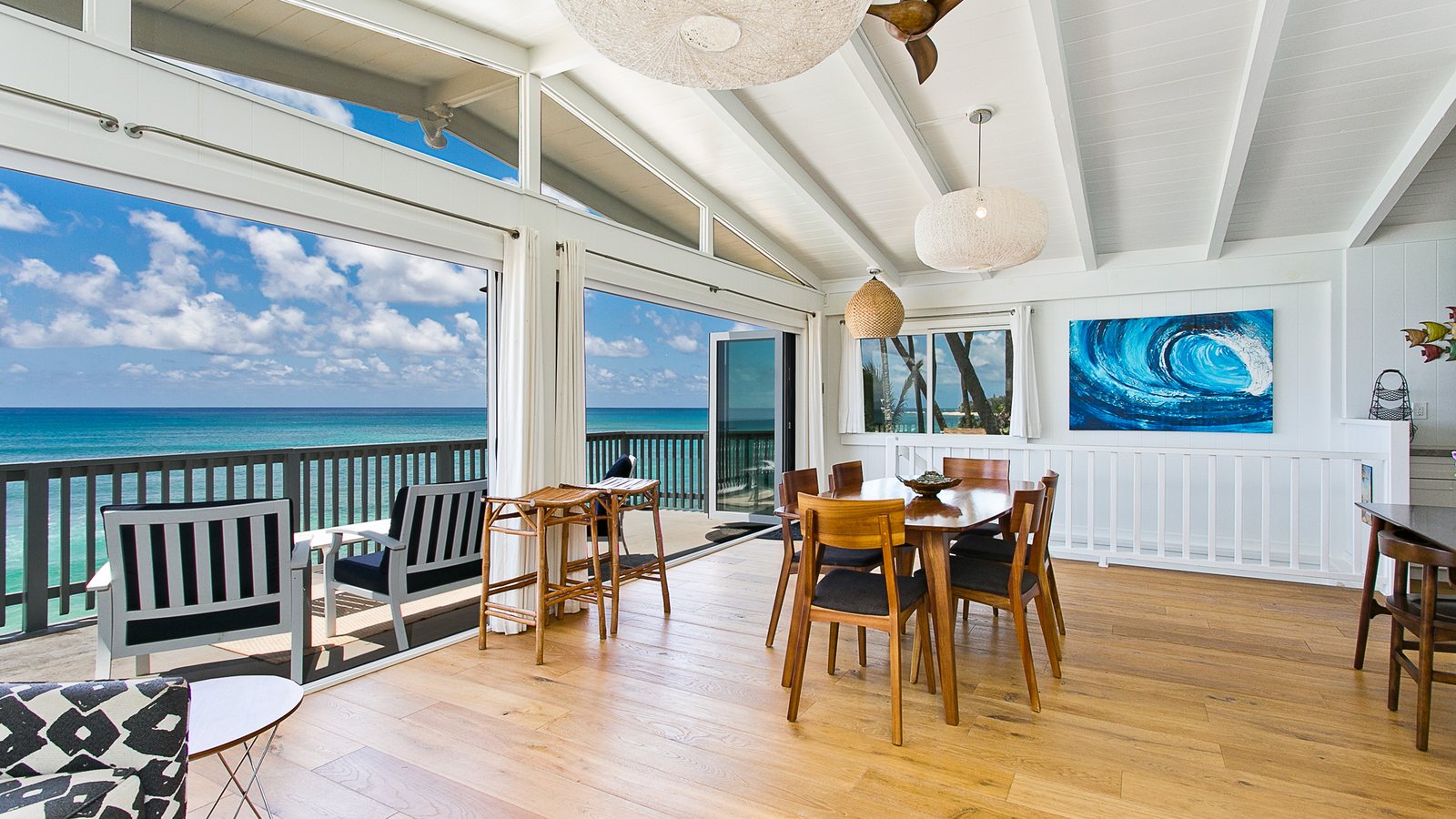
When you pay up for oceanfront, you're buying a few things that an ocean-view home simply cannot replicate:
- Access and sound. You walk to the water in seconds, and you hear it all night. For a lot of buyers that's the entire point, and nothing else substitutes.
- A view that can't be built out. No one is constructing a house between you and the Pacific. An ocean-view home carries real risk that a downhill project or growing trees erode the sightline over time.
- Scarcity at resale. The same fixed supply that makes it expensive to buy tends to protect it when you sell. Genuine oceanfront on a good beach has a deep, if small, buyer pool.
An ocean-view home gives you most of the daily emotional payoff, the blue horizon every morning, for materially less money, usually with a newer or larger house for the dollars, and often with fewer of the headaches below.
What oceanfront costs you after you buy
This is the part that doesn't show up in the listing price, and it's where I slow buyers down. Owning on the water carries ongoing costs and constraints that an inland view home mostly avoids.
Insurance
Two separate things are in play on the coast. Flood insurance is one. Oahu's new FEMA Flood Insurance Rate Maps took effect June 10, 2026. Coastal lots often fall in a high-hazard "V" or "VE" zone, which accounts for wave action and not just rising water, and if you have a federally backed mortgage on a home in a Special Flood Hazard Area, your lender can require flood coverage. Hurricane insurance is the second piece. In Hawaii, standard homeowner policies commonly exclude hurricane damage, so most owners carry a separate hurricane policy that lenders generally require. Premiums on the water can run well above inland, so I'd confirm actual numbers with a licensed insurance agent before you fall in love with a specific house.
Erosion and the shoreline setback
This one surprises people. Honolulu rewrote its shoreline setback rules under Ordinance 23-3 (Bill 41, 2022). Since July 1, 2024, new building or major redevelopment on an oceanfront lot outside the urban core generally has to sit back 60 feet plus 70 times the lot's annual coastal erosion rate, up to a maximum of 130 feet from the certified shoreline (inside the Primary Urban Center it's 60 feet). On an eroding beach, that formula can push buildable area well back from where an older home currently sits, which matters enormously if your plan is to tear down and rebuild. The law also restricts "shoreline hardening," so you can't assume you'll be allowed to drop in a new seawall to defend an eroding lot, and violations can bring significant fines. Know the setback math on the specific parcel before you write an offer that assumes a big new footprint.
Maintenance
Salt air, spray, and surf are hard on a house. Oceanfront owners budget for corrosion, more frequent exterior work, and mechanical systems that age faster than they would three blocks mauka. A view home up the hill doesn't take that beating.
So which one is right
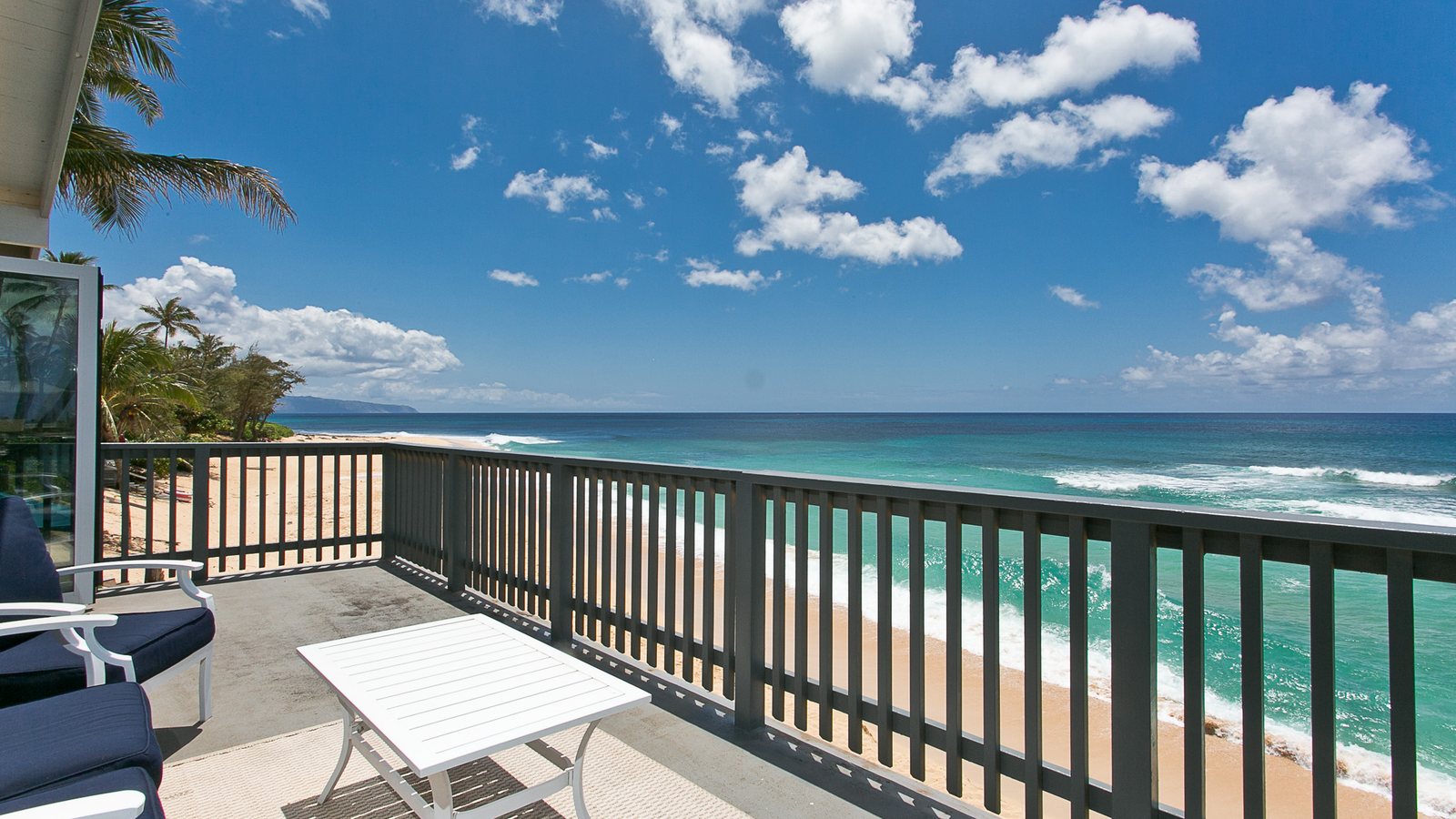
The right answer is about how you'll actually live. If the goal is to wake up and step onto the sand, no view home will ever scratch that itch, and the premium is the cost of the real thing. If what you love is the panorama and the blue horizon, an ocean-view home can deliver that for a fraction of the price, frequently with a better house and far less to worry about on insurance and erosion. Both are wonderful ways to own here. They're just not the same purchase, and it helps to stop treating them as interchangeable.
Frequently asked questions
How much more does oceanfront cost than ocean view on Oahu?
More than most people guess, and it's a dollar gap rather than a neat percentage. True oceanfront on a good beach often trades for several times what a comparable ocean-view home up the hill would. I won't quote an island-wide number because it swings hard by neighborhood and by the beach, so when a client is deciding I pull live comps for that specific stretch of coast. That's the only figure worth trusting.
Is oceanfront more expensive to insure?
Usually, yes. On the coast you're dealing with flood insurance, often in a high-hazard V or VE zone that accounts for wave action, plus the separate hurricane policy most Hawaii owners carry and lenders require. Premiums can be meaningfully higher than inland. I always tell buyers to get a real quote from a licensed insurance agent on the actual address before they commit, because it can shift the overall cost of owning.
Can I build a seawall to protect an oceanfront home?
Don't assume so. Under Honolulu's current rules, shoreline hardening like new seawalls is restricted and generally not allowed just to defend an eroding private lot. The setback rules also push new construction back from the water based on the lot's erosion rate. If your plan involves rebuilding or armoring the shoreline, that's a question to run past a land-use attorney and the City before you buy, not after.
Is an ocean-view home a safer investment than oceanfront?
Different, not strictly safer. Oceanfront has fixed supply, which tends to hold value, but it carries higher ownership costs and erosion risk. Ocean-view is more plentiful and cheaper to own, but the view itself can be vulnerable if someone downhill builds up or trees grow in. I'd rather talk through your actual time horizon and plans than hand you a blanket rule, because the honest answer depends on the specific property.
What technically counts as "oceanfront" versus "ocean view"?
Oceanfront means the lot sits directly on the water with nothing between you and the shoreline. Ocean view means you can see the water from the home but it's set back, often up a slope. Watch the loose middle ground too, a partial or "peek" view that a listing can dress up. I always confirm what you're really getting by standing on the property, because photos flatter and the reality on the ground is what you're buying.
This is general information from a licensed real estate broker, not legal, tax, insurance or financial advice. Rules and figures change, so confirm anything that affects your decision with the right licensed professional. Shoreline setback, flood zone and insurance rules apply differently to every parcel.
Sources: City and County of Honolulu, FIRMs effective June 10, 2026, Honolulu DPP shoreline setbacks (Ordinance 23-3)
Tony Kawaguchi, R(B), The Kawaguchi Group, eXp Realty. Hawaii broker, license RB-21841, 20+ years and $1B+ in Oahu sales, leading a team of 20+ agents.
Weighing oceanfront against ocean view?
I can pull live oceanfront and ocean-view comps for the exact neighborhoods you're considering and walk you through the real ownership costs on each. You can also browse Oahu oceanfront and beachfront listings, explore our East Honolulu community guides, or read my take on oceanfront versus marina-front living if a waterfront home in Hawaii Kai is on your list. When you're ready, see what's available in oceanfront neighborhoods like Kahala or reach out to me and I'll help you compare.