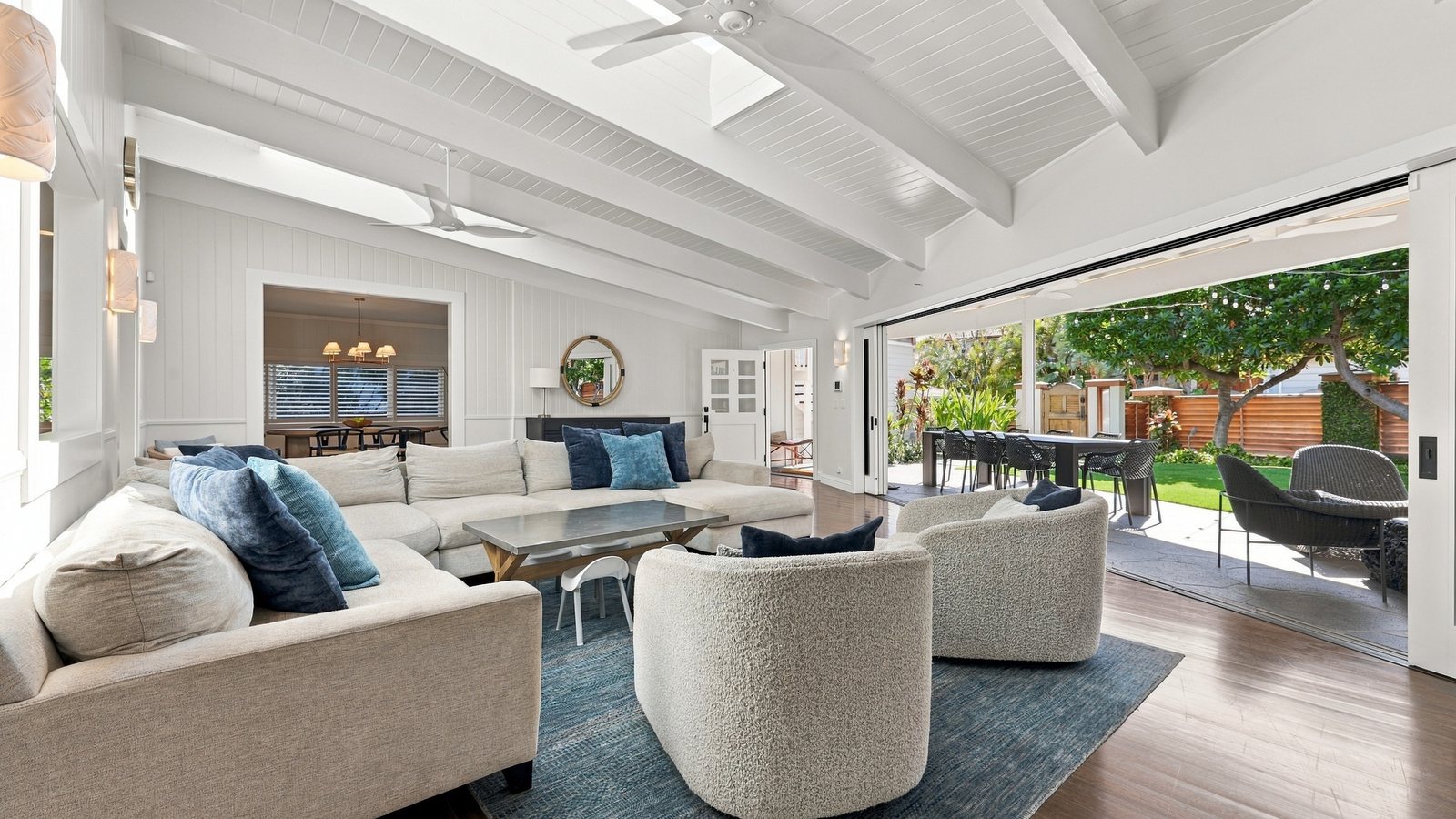
Most of my luxury sellers think their biggest decision is which agent to hire. It isn't. It's the price they put on the property the first week it hits the market. I've been selling homes on Oahu for 20+ years, and the high end forgives almost nothing right now. Price it wrong and a home that should have sold in 60 days sits for a year while the market quietly decides you're overpriced.
So let me walk you through how I actually price and prepare a luxury home on Oahu, using real numbers from the current market, plus the seller costs people forget.
The luxury market is split in half right now
There isn't one Oahu luxury market. There are several, and they're behaving very differently. Here's what the second quarter of 2026 looked like for single-family homes, from List Sotheby's International Realty's tracking:
- $2M to $3M: 67 homes sold, up about 17% over the same quarter a year earlier, with roughly 8 months of inventory. This is the busiest slice of the luxury market.
- $3M to $5M: only 19 homes sold, down sharply from the prior year, with more than 15 months of inventory sitting on the market.
- $5M to $10M: 9 sales, up year over year, with about 12 months of supply.
- $10M and up: one sale for the quarter, with inventory measured in years. The top single-family sale was $10.5M in the Beachside area of Kailua.
In the $3M to $5M band there was over a year of supply. That's the number that should shape your pricing. When there are that many comparable homes for every one that sells in a quarter, the buyer sets the price, not the seller. I'm not telling you that to talk you down. I'm telling you so you don't spend six months learning it the expensive way.
How I price an oceanfront home when the comps don't exist
Pricing a tract home is arithmetic. Pricing a true oceanfront property on Oahu is judgment, because no two are alike and the recent sales you'd want to compare against often don't exist. There may not have been a sale on your exact stretch of shoreline in two years. Here's what I look at instead of just closed comps:
What the buyer is actually paying for
On the water, the value isn't the house. It's the frontage, the exposure, and whether you can actually get in the ocean off your property or just look at it. A sandy-bottom swimmable frontage in Kahala prices differently than a rocky shoreline in Portlock with a dramatic view but no easy water access. I price the shoreline first and the structure second.
Setback, seawall, and shoreline reality
Serious oceanfront buyers ask about shoreline erosion, seawall condition, and setback rules before they ask about the kitchen. If your certified shoreline survey is old or your seawall is a question mark, that uncertainty comes straight out of your price. I'd rather get ahead of it than have a buyer's engineer surface it during escrow and use it to renegotiate.
Current active competition, not last year's sales
With more than a year of inventory in the upper brackets, the homes you're competing against are the ones listed right now. If three view homes are sitting unsold above $4M, listing a fourth at an aspirational number just makes theirs look reasonable.
Staging an oceanfront home: less is almost always more
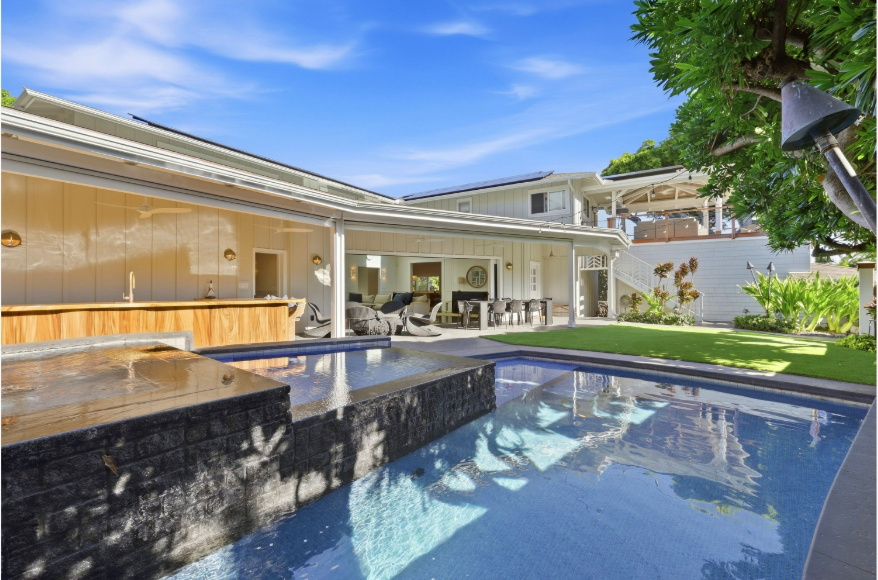
People assume luxury staging means filling a house with expensive furniture. For oceanfront homes on Oahu it's usually the opposite. The view is the product, and my job when I prep a property is to get everything out of the way of it.
A few things I do on nearly every high-end listing:
- Clean the sightlines. Clear glass, clean lanai, nothing on the counters or railings competing with the water. The first photo a buyer sees should be the ocean framed by the house, not a cluttered great room.
- Fix the salt-air wear first. Rusting hardware, clouded windows, a tired lanai deck. Buyers at this level read deferred maintenance as a discount, so small repairs before listing protect a much bigger number at closing.
- Light it for the time of day it shows best. If the property faces a sunset, we shoot it and show it then. That's not a trick, it's showing the home honestly at its strongest moment.
- Stage for scale, not for taste. Right-sized furniture that proves a room holds a real dining table or a king bed does more than a decorator's personal style ever will.
Beautiful homes can lose buyers over nothing more than glare, clutter, and one dated bathroom. Fixing that is cheap. Cutting the price because the home showed poorly is not.
The seller costs people forget on a luxury sale
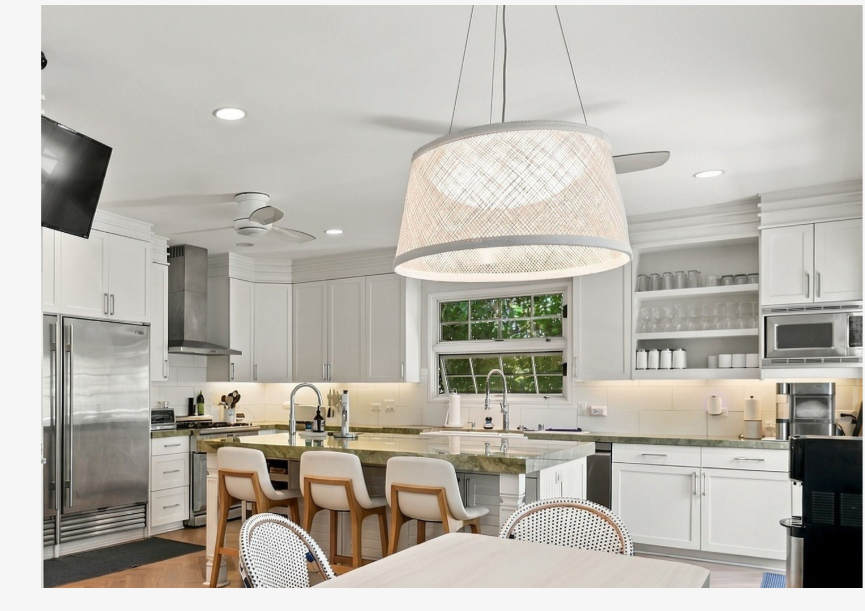
On a high-priced Oahu sale, two seller costs surprise people, and both scale with the price.
Hawaii conveyance tax
The seller generally pays Hawaii's conveyance tax, and the rate climbs steeply at the top. It also depends on whether your buyer will qualify for a county homeowner exemption, meaning whether they intend to live there. Under the Department of Taxation's current schedule, the rate applies to the whole price (it is not marginal), and the top bands look like this:
- $2M to under $4M: 0.50% if the buyer qualifies as an owner-occupant, 0.60% if not.
- $4M to under $6M: 0.70% owner-occupant, 0.85% if not.
- $6M to under $10M: 0.90% owner-occupant, 1.10% if not.
- $10M and up: 1.00% owner-occupant, 1.25% if not.
To make that concrete: on a $3M sale to a buyer who won't occupy the home, conveyance tax is $18,000. On a $6M sale to a non-occupant it's $66,000. Rates can change, so confirm the current rate with your escrow officer when you list.
HARPTA if you're an out-of-state seller
A lot of my luxury sellers live on the mainland. If you're not a Hawaii resident, HARPTA requires 7.25% of the gross sales price to be withheld at closing and sent to the state. On a $4M sale that's $290,000 held back. It isn't a tax you owe outright, it's a prepayment against your actual Hawaii tax, and in most cases you get a large chunk refunded after filing, or sooner by filing Form N-288C. Foreign sellers face a separate federal withholding, FIRPTA, at 15%. Plan for the cash-flow hit so it doesn't blindside you at closing.
Capital gains
If the home was your primary residence for at least two of the last five years, federal rules currently let you exclude up to $250,000 of gain if you're single or $500,000 if married filing jointly. Anything above that is taxable, and Hawaii taxes capital gains too. On a luxury home that's appreciated for decades, the gain often blows past the exclusion. I'm a REALTOR, not a tax professional, so run your specific numbers with a licensed CPA before you sell.
Frequently asked questions
Should I list high and come down, or price it right from the start?
Price it right from the start, especially in the slower upper brackets. The most attention any listing ever gets is in the first two or three weeks. If you're priced above where buyers see value, you burn that window, and the price cuts that follow always look like something's wrong with the house. I'd rather generate real interest at a defensible number than chase the market down.
Is it worth spending money to stage before I list?
Usually yes, but selectively. On oceanfront homes I spend the money on cleaning up sightlines, fixing salt-air wear, and professional twilight photography before I spend it on rented furniture. The goal is to get the view and the condition working for you. I'll tell you honestly what's worth doing and what isn't for your specific property.
How long should I expect a luxury home to take to sell on Oahu?
Depends entirely on price band. Around $2M to $3M is moving reasonably well. Once you're above $3M or $4M there can be over a year of inventory, so a correctly priced home might still take several months and an overpriced one can sit indefinitely. I'll show you the actual months-of-supply for your range.
I live on the mainland. How does that change things?
Mainly through HARPTA: as a non-resident seller you'll see 7.25% of the sales price withheld at closing. It's largely refundable, but you need to plan for the timing. I coordinate with escrow and your tax preparer to handle the paperwork and recover what you're owed as quickly as the state allows.
This is general information from a licensed Hawaii REALTOR, not legal, tax, insurance or financial advice. Rules and figures change, so confirm anything that affects your decision with the right licensed professional.
Sources: List Sotheby's International Realty, Luxury Market Report Q2 2026, Hawaii Department of Taxation, Form P-64A instructions (conveyance tax rates), Hawaii Form N-288 instructions (HARPTA), IRS FIRPTA withholding, 2026 Legislature bill text
Tony Kawaguchi, REALTOR, license RS-66616, The Kawaguchi Group, eXp Realty (RB-21841). 20+ years and $1B+ in Oahu sales, leading a team of 20+ agents.
Let's price your home against the real market
If you're thinking about selling an oceanfront or luxury home from Kahala to Portlock to Lanikai, the smartest first step is an honest read on where your property sits in today's market. I'll walk your home, look at what's selling and what's sitting, and give you a straight number with a plan to defend it. Reach out to me here, look at how I approach selling, or browse current Oahu luxury homes and oceanfront listings to see what you're up against. For every line item on the seller side, see my guide to closing costs in Hawaii.