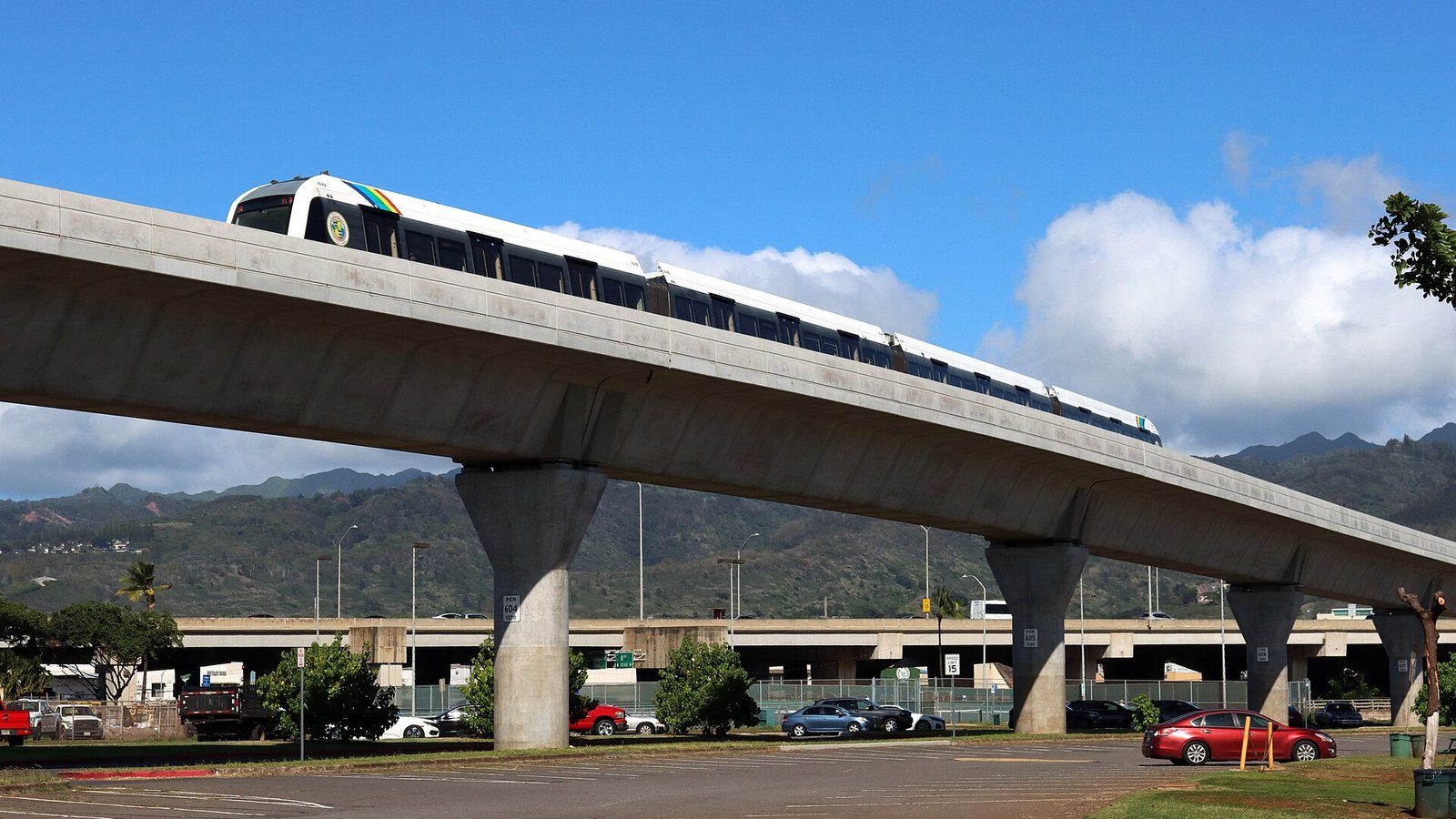
Photo: Musashi1600, CC BY 4.0, via Wikimedia Commons (cropped).
By Tony Kawaguchi, REALTOR, The Kawaguchi Group, eXp Realty · Updated November 13, 2026
The final vote count from the November 3 general election came out on November 10, and housing was all over the ballot. Statewide, voters approved RISE bonds by 61.7% to 30.0%. On Oahu, four of the five Honolulu charter questions that touched housing passed, and one failed. None of it changes your property tax rate or your purchase contract this month. Some of it will shape where new homes get built near rail and how the city spends its housing money over the next decade.
Since the election, I've had several clients ask some version of "did that vote just change my property taxes?" Here's how I read the results for people buying, selling or holding property on Oahu.
RISE bonds passed statewide
Constitutional Amendment 2 directs the Legislature to let counties issue Resilient Infrastructure for Shelter and Equity (RISE) bonds. These are a form of tax increment financing. A county draws a district, freezes the current assessed value as a baseline, and uses only the growth in property tax revenue above that baseline to pay off bonds for roads, sewers, water lines and similar public improvements inside the district. The ballot language says the bonds are repaid "not by increasing real property tax rates," and they don't count against the county's debt limit.
Hawaii lawmakers first allowed this kind of bond back in 1985, but the Attorney General's position was that counties couldn't use it without a constitutional change. Supporters pitched it as a way to pay for infrastructure along the Skyline rail line so developers don't pass those costs on to buyers and renters. The Tax Foundation of Hawaii questioned whether the amendment was needed at all, and critics warned that the counties still have to fund police, fire and other services in these districts. Both points are worth keeping in mind.
The amendment itself doesn't create a single district. The Legislature still has to set the procedures, and then a county has to designate districts and issue bonds. That's a multi-year runway.
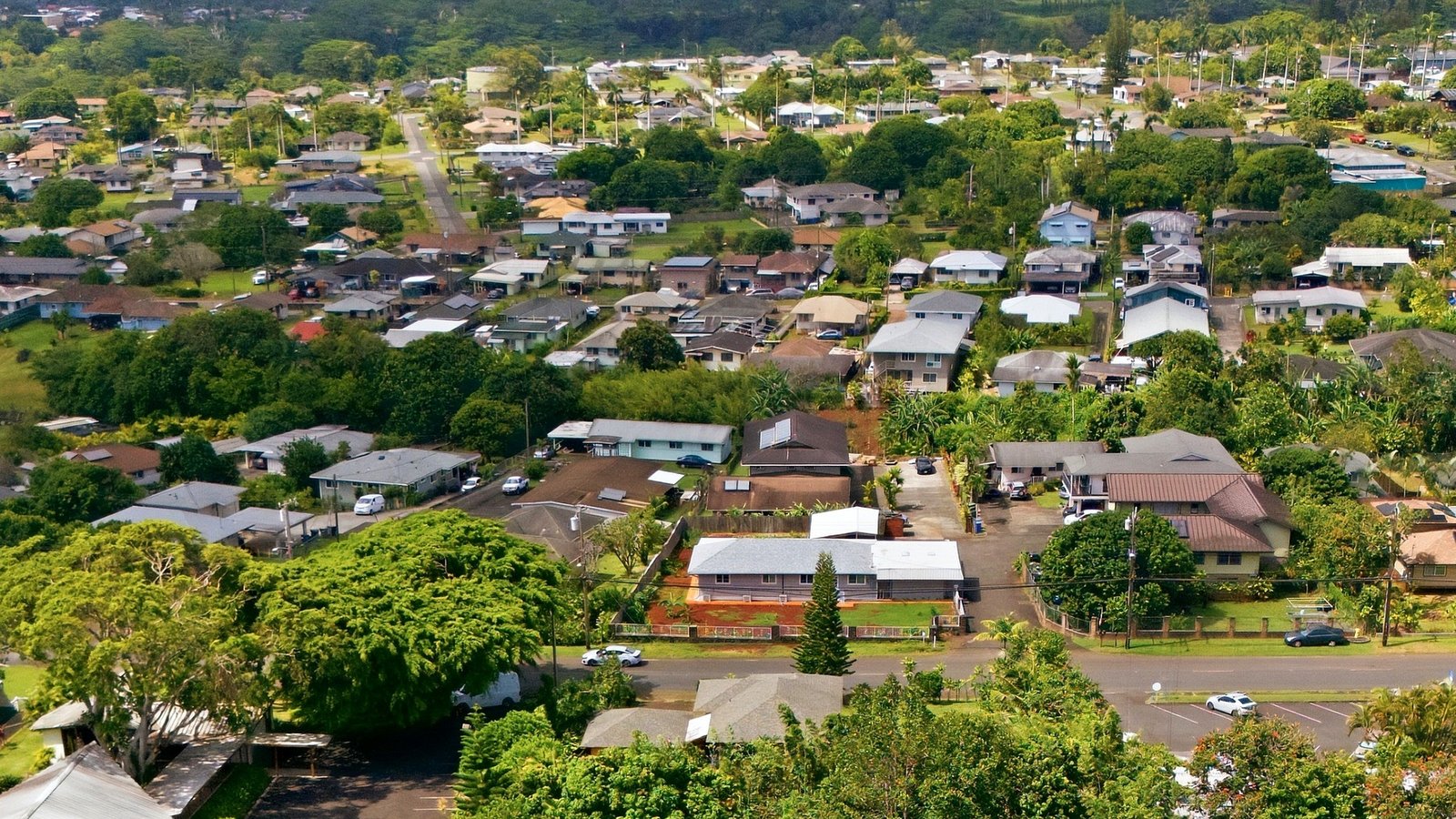
The four Honolulu housing amendments that passed
Question 7 (65.5% yes) puts a statement in the City Charter that Honolulu has a shortage of housing for long-term occupancy, that housing-related outmigration is an existential threat to the city, and that encouraging the use of existing homes for residents is a "compelling governmental interest." It's a policy statement, not a new rule. My read is that it gives the Council firmer footing for future rules on things like short-term rentals, so owners of investment property should watch what the Council builds on it.
Question 8 (72.7% yes) makes the city's Affordable Housing Fund a revolving fund. According to the Council's ballot explainer, the fund gets roughly $8 million a year from property taxes and supports rental housing for households earning up to 60% of area median income. Loan repayments and interest now go back into the fund instead of drifting elsewhere.
Question 10 (73.0% yes) requires a 10-year Housing Functional Plan, updated at least every five years, starting January 1, 2030.
Question 12 (69.8% yes) lets the Affordable Housing Fund and other city funds accept federal, state, philanthropic and other money on top of the city budget.
The one that failed
Question 9 would have dropped the separate public hearing the city holds on each city real property transaction. It lost 27.1% to 61.4%, so those hearings stay. If you're following a city land deal for affordable housing near your neighborhood, you'll still get that hearing as well as the Council agenda.
What I'd watch as a buyer, seller or owner
If you're buying near a rail station, don't pay a premium today on the theory that RISE money is coming. More than once I've watched buyers price in a project that took years longer than anyone expected. Buy the home for what it is now and treat future infrastructure as a possible bonus.
If you own in an area that later becomes a RISE district, your rate doesn't go up because of the district. Your bill can still rise the normal way, through higher assessed values, which is how it works everywhere on Oahu. I covered the separate Honolulu tax changes in my post on the July 2027 property tax changes.
If you own a rental or vacation property, keep an eye on how the Council uses Question 7's language. My Oahu vacation rental guide covers the current rules.
For sellers, the ballot isn't the story right now. Mortgage rates are. The October numbers from the Honolulu Board of Realtors showed a $1,150,000 single-family median and a $499,000 condo median, which I broke down in my October market post.
FAQ
Did the November vote raise my Honolulu property tax rate?
No. None of these measures sets a tax rate. The City Council sets rates through its budget process, and your bill also moves with your assessed value.
When will RISE bonds actually be used on Oahu?
Not right away. The Legislature has to pass the procedures first, and then the city has to designate a district and sell bonds. I'd expect years, not months, before a project breaks ground with this money.
Does Question 7 ban vacation rentals?
No. It's a policy statement in the Charter. Any new rule would still have to go through the Council.
This post is general information, not legal, tax, insurance or financing advice.
Sources: Hawaii Office of Elections, 2026 General Election Final Summary Report (Nov 10, 2026); Office of Elections, 2026 Proposed Constitutional Amendments; Honolulu City Council, Oahu Votes charter explainer; Honolulu Civil Beat, Sept 2026; Honolulu Civil Beat, Nov 2026; Honolulu Star-Advertiser, Nov 4, 2026; Honolulu Board of Realtors, October 2026 Monthly Stats Report.
Tony Kawaguchi, REALTOR, The Kawaguchi Group, eXp Realty. 20+ years and $1B+ in Oahu sales. If you want to talk through how any of this affects a home you own or want to buy, call or text me at 808.201.3577.